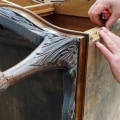
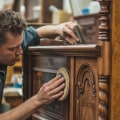
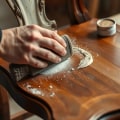
Furniture restoration is a transformative process that breathes new life into worn or damaged pieces, allowing them to regain their original beauty and functionality. This practice not only preserves the aesthetic appeal of furniture but also contributes to sustainability by reducing waste. In a world increasingly focused on environmental consciousness, furniture restoration serves as a practical solution for those looking to maintain their home’s charm while being mindful of their budget. The benefits of furniture restoration extend beyond mere aesthetics. Restoring furniture can enhance its durability, making it last for years to come.
Additionally, it often proves to be a cost-effective alternative to purchasing new items, especially when dealing with high-quality or antique pieces that hold sentimental value. By investing in restoration, homeowners can enjoy unique, personalized furnishings that reflect their style without breaking the bank. Understanding the fundamentals of furniture restoration is essential for anyone considering this option. It encompasses various techniques, from simple repairs and refinishing to more complex restorations that may involve reupholstering or structural repairs. Each method offers distinct advantages and can be tailored to fit different budgets and skill levels.
As we delve deeper into budget-friendly options for furniture restoration, it’s important to recognize the potential these projects hold for enhancing both your living space and your financial well-being.
Assessing Your Furniture's Condition
Before diving into furniture restoration, it’s essential to assess the condition of your pieces thoroughly. This evaluation will help you identify the extent of damage and determine the most budget-friendly options for restoration.Start by inspecting your furniture for any visible signs of damage:- Scratches and Dents: Look for surface scratches or deeper dents that may require sanding or filling.
- Structural Integrity: Check joints and connections. Wiggle chairs and tables to see if they feel stable or wobbly.
- Upholstery Condition: Examine fabric for tears, stains, or fading. Consider whether reupholstering is necessary.
- Wood Condition: Look for signs of rot, warping, or insect damage, especially in wooden pieces.
- Minor Repairs: If the damage is superficial, such as scratches or minor stains, you might only need to apply a fresh coat of paint or stain.
- Moderate Repairs: For wobbly legs or loose joints, consider tightening screws or using wood glue to reinforce connections.
- Major Repairs: If you find significant structural issues or extensive upholstery damage, you may need to invest more time and resources into professional help or extensive DIY projects.
These can not only affect the appearance but also pose health risks. If you notice any, it’s crucial to address these issues before proceeding with restoration.By carefully assessing your furniture's condition, you can make informed decisions about which restoration methods will be both effective and economical. This approach not only saves money but also ensures that your cherished pieces are restored to their former glory without breaking the bank.
DIY Restoration Techniques
Restoring furniture on a budget can be a rewarding and creative endeavor. With a few basic tools and materials, you can breathe new life into old pieces without breaking the bank.Here are some DIY furniture restoration techniques that are both effective and cost-efficient.
Painting
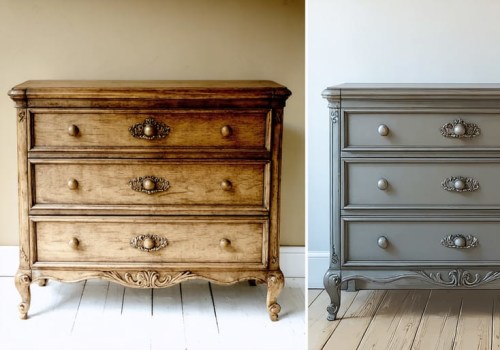
One of the simplest ways to restore furniture is by painting. A fresh coat of paint can transform a worn-out piece into a stunning focal point. Here’s how to do it:- Choose the Right Paint: Use chalk paint or acrylic paint for a smooth finish. These types are easy to work with and often require minimal prep.
- Prep the Surface: Clean the furniture thoroughly and sand any rough spots.
This helps the paint adhere better.
- Apply Primer: If you're painting over a dark color or a glossy finish, applying a primer can help achieve an even color.
- Paint in Thin Coats: Apply multiple thin coats rather than one thick coat to avoid drips and ensure an even finish.
Staining
If you prefer to enhance the natural beauty of wood, staining is an excellent option. Stains can bring out the grain and add depth to your furniture:- Select Your Stain: Choose a stain that complements your existing decor. Gel stains are particularly user-friendly for beginners.
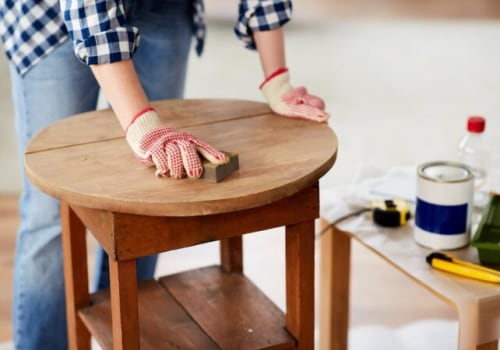
- Prepare the Wood: Sand the surface to remove any old finish and create a smooth base for the stain.
- Apply Stain Evenly: Use a brush or cloth to apply the stain, working in small sections to avoid uneven coloring.
- Seal the Finish: After staining, apply a clear sealant to protect the wood from wear and tear.
Reupholstering
If your furniture has fabric that’s seen better days, consider reupholstering. This technique can be more affordable than buying new furniture:- Select Fabric Wisely: Look for discounted or remnant fabrics at local stores or online.
Choose durable materials that fit your style.
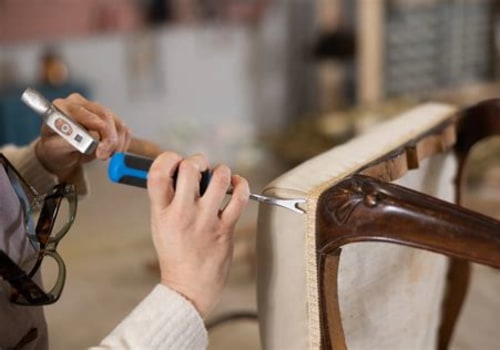
- Remove Old Upholstery: Carefully take off the old fabric using a staple remover. Keep track of how it was attached for easier reassembly.
- Cut New Fabric: Measure and cut your new fabric, allowing extra for folding over edges.
- Attach New Fabric: Use a staple gun to secure the new fabric tightly, ensuring there are no wrinkles or loose areas.
Using Affordable Materials and Tools
When it comes to furniture restoration, using affordable materials and tools can significantly reduce costs while still achieving impressive results. Here’s a guide to help you find budget-friendly options.Affordable Materials for Furniture Restoration
- Paint and Stains: Look for discounted or off-brand paints and stains at local hardware stores or online retailers.
Many times, you can find quality products that are just as effective as their premium counterparts.
- Wood Glue: A reliable wood glue is essential for repairs. Brands like Titebond often have budget-friendly options that work well for most restoration projects.
- Sandpaper: Instead of buying expensive sanding kits, purchase sandpaper in bulk. You can find various grits at craft stores or online, allowing you to save money while ensuring a smooth finish.
- Fabric and Upholstery: For reupholstering, check out local fabric stores or online marketplaces like Etsy for discounted remnants or clearance items.
Budget Tools for Restoration
- Screwdrivers and Wrenches: A basic set of hand tools is often all you need. Look for multi-tools that combine several functions into one, saving both space and money.
- Paintbrushes and Rollers: Invest in a few quality brushes, but also consider purchasing cheaper disposable options for larger areas.
Dollar stores often carry these at a fraction of the cost.
- Saws: If you need to make cuts, consider borrowing tools from friends or family instead of buying new ones. Alternatively, look for used tools at garage sales or thrift shops.
Where to Buy Restoration Supplies
You don’t have to break the bank to gather your restoration supplies. Here are some places to consider:- Local Hardware Stores: Often have sales on seasonal items and clearance sections where you can find great deals.
- Online Marketplaces: Websites like Amazon, eBay, and Craigslist can offer competitive prices on both new and used materials.
- Thrift Stores and Flea Markets: These venues can be treasure troves for finding unique pieces that need a little TLC.
Repurposing and Upcycling Ideas
When it comes to furniture restoration, repurposing and upcycling can breathe new life into old pieces while keeping costs low. Here are some creative ideas to inspire your next project:- Transforming Dressers: Old dressers can be converted into unique bathroom vanities.
Simply remove the top drawers, add a sink, and paint or stain the wood to match your decor.
- Chair to Bench: If you have mismatched chairs, consider combining them to create a charming bench. Secure the seats together, add a sturdy backrest, and finish with a coat of paint for a cohesive look.
- Bookshelf to Bar Cart: An old bookshelf can easily be turned into a stylish bar cart. Remove the shelves, add wheels for mobility, and use decorative trays to organize your bottles and glassware.
- Tabletop Garden: Repurpose an old table by removing the legs and using the top as a planter. This is perfect for creating a vertical garden or herb display in your kitchen.
- Crate Storage: Wooden crates can be stacked and painted to create functional storage solutions.
Use them as open shelving in your living room or as a bedside table.
Remember, the goal of repurposing old furniture is to make it functional while reflecting your personal style. By thinking outside the box and embracing DIY projects, you can achieve stunning results without breaking the bank. So gather your tools, unleash your imagination, and start restoring your furniture today!
Hiring Professionals on a Budget
When considering furniture restoration, there are times when hiring a professional can be a wise investment, even on a budget. While DIY projects can save money, certain pieces may require specialized skills or tools that you might not possess. Here are some scenarios where it might be worth seeking professional help:- Complex Repairs: If your furniture has intricate details or structural damage, a professional can ensure that the restoration is done correctly.
- Valuable Antiques: For high-value items, the cost of professional restoration can be justified to maintain or enhance their value.
- Time Constraints: If you’re short on time or lack the necessary skills, hiring a professional can save you from potential frustration and mistakes.
Here are some tips to help you locate budget-friendly options:
- Research Local Artisans: Look for local craftsmen who specialize in restoration. They often have lower overhead costs compared to larger companies.
- Check Online Marketplaces: Websites like Craigslist or Facebook Marketplace may have listings for independent restorers offering competitive rates.
- Ask for Referrals: Friends and family may know skilled professionals who provide quality work at reasonable prices.
By knowing when to seek help and how to find affordable services, you can achieve beautiful results without breaking the bank.
Common Mistakes to Avoid in Furniture Restoration
When embarking on a furniture restoration project, it's easy to overlook some critical aspects that can lead to costly mistakes. Here are some common pitfalls to avoid:- Skipping Preparation: One of the biggest mistakes is diving into restoration without proper preparation. Always clean the furniture thoroughly and assess its condition before starting. This will help you identify any structural issues that need addressing.
- Using the Wrong Products: Not all cleaning and finishing products are suitable for every type of furniture.
Using harsh chemicals can damage the wood or finish. Always test products on a small, inconspicuous area first.
- Neglecting Repairs: Failing to fix broken parts before refinishing can lead to further damage down the line. Ensure that joints are secure and any cracks or chips are repaired before applying paint or stain.
- Over-sanding: While sanding is essential for a smooth finish, over-sanding can remove too much material and alter the piece's integrity. Use fine-grit sandpaper and be gentle.
- Ignoring Original Features: Many vintage pieces have unique characteristics that add to their charm.
Avoid removing original hardware or altering design elements unless absolutely necessary.
- Plan Your Project: Outline each step of your restoration process, from cleaning to finishing, to stay organized and focused.
- Invest in Quality Tools: Using the right tools can make a significant difference in the outcome of your project. Invest in quality brushes, sanders, and other equipment.
- Take Your Time: Rushing through the process can lead to mistakes. Allow adequate time for each step, especially drying times between coats of paint or finish.
Frequently Asked Questions about Furniture Restoration
When it comes to furniture restoration, many beginners have questions that can help them navigate their projects more effectively. Here are some of the most frequently asked questions:What is furniture restoration?
Furniture restoration involves repairing, refinishing, or refurbishing old or damaged furniture to bring it back to its original condition or to give it a new life.This process can include anything from sanding and staining to reupholstering and replacing hardware.
Is furniture restoration expensive?
The cost of furniture restoration can vary widely depending on the extent of the work needed and the materials used. However, there are many budget-friendly options available, such as DIY projects that utilize affordable supplies and tools. By taking on some of the work yourself, you can significantly reduce costs.What tools do I need to start restoring furniture?
- Screwdrivers - for disassembling furniture.
- Sanders - for smoothing surfaces before refinishing.
- Paintbrushes - for applying stains or paints.
- Upholstery tools - if you plan to reupholster.
- Wood glue - for repairs.
Can I restore furniture without prior experience?
Absolutely! Many people start furniture restoration without any prior experience. There are numerous online resources, tutorials, and community forums that can guide you through the process.Start with small projects to build your confidence and skills.
What are some tips for beginners in furniture restoration?
- Start small: Choose a simple piece of furniture to practice on.
- Research: Watch videos and read articles about techniques and materials.
- Be patient: Restoration takes time; don’t rush the process.
- Ask for help: Join local workshops or online groups for support and advice.
Conclusion: Embracing Budget-Friendly Furniture Restoration
In conclusion, furniture restoration offers a fantastic opportunity to breathe new life into old pieces without breaking the bank. By embracing budget-friendly options, you can transform your furniture while also making environmentally conscious choices. Throughout this article, we explored various methods to restore furniture on a budget. From simple DIY techniques like sanding and painting to more intricate upholstery projects, there are countless ways to achieve stunning results without spending a fortune.Remember, the key is to start with a clear vision and a willingness to experiment. Here are some final tips to keep in mind as you embark on your furniture restoration journey:
- Research: Take the time to learn about different restoration techniques and materials. Online tutorials and community forums can be invaluable resources.
- Plan Your Budget: Set a realistic budget for your project, including tools and materials. This will help you stay focused and avoid overspending.
- Start Small: If you're new to restoration, consider starting with smaller items like chairs or side tables before tackling larger pieces.
- Be Patient: Restoration can be a time-consuming process. Allow yourself the time to learn and perfect your skills.
So gather your tools, unleash your creativity, and start restoring! You might just find that the process is as rewarding as the final product.