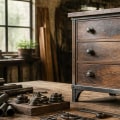
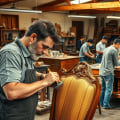
Furniture restoration is a meticulous process that breathes new life into antique and delicate pieces, preserving their history while enhancing their beauty. This practice goes beyond mere repair; it involves a deep understanding of the materials, techniques, and historical context of each item. Whether it’s a Victorian-era chair or a mid-century modern table, furniture restoration requires a careful approach to maintain the integrity of the original design while ensuring the piece remains functional and aesthetically pleasing. The importance of furniture restoration cannot be overstated, especially when dealing with antiques that carry sentimental value or historical significance. Restoring these pieces not only helps to retain their monetary value but also allows future generations to appreciate the craftsmanship and artistry of bygone eras.
Each restoration project is unique, often requiring specialized knowledge about the specific era and style of the furniture, as well as an understanding of the best practices for preserving delicate materials. As we delve deeper into the considerations for restoring antique and delicate furniture, it becomes clear that this art form demands both skill and passion. From selecting appropriate materials to employing traditional techniques, every decision made during the restoration process can significantly impact the final outcome. Understanding these nuances is essential for anyone looking to embark on a journey of furniture restoration, ensuring that each piece not only retains its charm but also continues to tell its story for years to come.
Assessing the Condition of Antique Furniture
When it comes to furniture restoration, the first step is to thoroughly assess the condition of your antique pieces. This evaluation not only helps in understanding the extent of wear and damage but also guides you in selecting the most suitable restoration techniques.Identifying Signs of Damage
- Surface Scratches and Dents: Look for any visible scratches, dents, or chips on the surface.
These imperfections can often be repaired with careful sanding and refinishing.
- Wood Warping: Check for any signs of warping or bending, which may indicate exposure to moisture or heat. Warped wood can be challenging to restore and may require professional intervention.
- Joint Integrity: Inspect the joints where different parts of the furniture meet. Loose or broken joints can compromise the structural integrity and may need to be re-glued or reinforced.
- Finish Condition: Assess the finish of the furniture. A dull or peeling finish may require stripping and refinishing, while a well-preserved finish might only need a gentle cleaning.
- Pest Damage: Look for signs of pest infestations, such as small holes or powdery residue.
If you suspect pest damage, it’s crucial to address this issue before proceeding with any restoration work.
Evaluating Overall Condition
Once you have identified specific signs of damage, consider the overall condition of the piece. Is it structurally sound? Does it still serve its intended purpose? Understanding these factors will help you determine whether a full restoration is necessary or if minor repairs will suffice.In conclusion, assessing the condition of antique furniture is a vital step in the furniture restoration process. By carefully examining for signs of damage and evaluating overall integrity, you can make informed decisions that will preserve the beauty and functionality of your cherished pieces for years to come.
Choosing the Right Restoration Techniques
When it comes to furniture restoration, especially for antique or delicate pieces, selecting the right restoration techniques is crucial. The goal is to enhance the piece while preserving its historical integrity and value.Here are some effective methods and best practices to consider:
- Cleaning: Start with a gentle cleaning process. Use a soft cloth and a mild soap solution to remove dirt and grime. Avoid harsh chemicals that can damage the finish.
- Repairing: For minor damages like scratches or dents, consider using wood fillers or wax sticks that match the original finish. For more significant repairs, such as broken joints, use traditional joinery techniques to maintain structural integrity.
- Refinishing: If the finish is severely worn, refinishing may be necessary.
Stripping the old finish should be done carefully to avoid damaging the wood underneath. Opt for natural finishes like oils or waxes that allow the wood to breathe.
- Upholstery: For upholstered antique furniture, choose fabrics that are both durable and historically appropriate. Consider using traditional methods of upholstery to maintain authenticity.
- Preservation: After restoration, apply a protective layer such as a wax or varnish that is suitable for antique furniture. This helps in preserving the piece from future wear and tear.
They can provide insights into the best practices tailored to your specific piece, ensuring that its value is maintained while restoring its beauty.In summary, careful consideration of restoration techniques is vital when working with antique or delicate furniture. By employing appropriate methods and prioritizing preservation, you can successfully restore these cherished items for future generations to enjoy.
Materials and Tools for Restoration
Restoring antique furniture requires a careful selection of materials and tools to ensure the integrity and beauty of the piece is preserved. Using the right materials is crucial, as inappropriate choices can lead to irreversible damage.Essential Materials for Furniture Restoration
- Wood Glue: A high-quality wood glue is essential for reassembling joints and repairing cracks. Look for PVA or hide glue, which are both strong and reversible.
- Finishing Products: Depending on the original finish, you may need oils, waxes, or varnishes.
Linseed oil and beeswax are excellent for nourishing wood without altering its appearance.
- Sandpaper: Various grits of sandpaper are necessary for smoothing surfaces before applying finishes. Start with a coarser grit and progress to finer ones for a polished look.
- Stains and Dyes: If color matching is required, use stains or dyes that are compatible with the original wood type. Test on a hidden area first to ensure the desired effect.
Tools Needed for Restoring Furniture
- Screwdrivers: A set of screwdrivers in various sizes will help you disassemble furniture without damaging it.
- Clamps: These are vital for holding pieces together while glue dries, ensuring a strong bond.
- Paintbrushes: Quality brushes are necessary for applying finishes evenly. Consider using natural bristle brushes for oil-based products.
- Putty Knife: Useful for applying wood filler to repair gouges or holes in the wood surface.
Investing in the best supplies will not only enhance the restoration process but also ensure that your antique furniture remains a cherished piece for generations to come. Remember, each restoration project is unique, so tailor your choices based on the specific needs of the furniture you are working on.
Special Considerations for Delicate Pieces
Restoring delicate furniture requires a nuanced approach, as these pieces often carry significant historical and sentimental value. The first step in the restoration process is to assess the condition of the item thoroughly. Look for signs of wear, such as cracks, loose joints, or faded finishes, and determine which areas require the most attention.When handling fragile furniture, it’s essential to take extra precautions.Here are some tips to ensure safe handling:
- Use gloves: Always wear cotton gloves to prevent oils from your skin from damaging the surface.
- Support weight evenly: When lifting or moving delicate pieces, ensure that you support them evenly to avoid putting stress on any one part.
- Avoid direct sunlight: Keep delicate antiques out of direct sunlight to prevent fading and warping.
- Gentle cleaning: Use a soft, damp cloth for cleaning. Avoid harsh chemicals that can strip finishes or damage wood.
- Repairing joints: For loose joints, use a high-quality wood glue that allows for some flexibility. Clamping should be done carefully to avoid applying too much pressure.
- Refinishing: If refinishing is necessary, opt for a method that preserves the original character of the piece. Test any new finish on a small, inconspicuous area first.
Their expertise can be invaluable in ensuring that your restoration efforts do not compromise the integrity of these cherished items.
Preservation vs. Restoration: Finding the Balance
When it comes to furniture restoration, understanding the distinction between preservation and restoration is crucial for maintaining the integrity of antique pieces. While both approaches aim to enhance the longevity of furniture, they serve different purposes and require different techniques.Preservation
focuses on maintaining the current state of a piece, protecting it from further deterioration without altering its original features. This approach is ideal for items that have significant historical value or unique characteristics that should remain intact.
Techniques may include cleaning, applying protective coatings, and controlling environmental factors such as humidity and light exposure.On the other hand, restoration involves repairing or replacing parts of the furniture to return it to a former state. This can be appropriate when a piece has suffered extensive damage or wear that compromises its functionality or aesthetic appeal. However, it’s essential to consider the potential impact on the piece's value; overzealous restoration can sometimes diminish its historical significance.To find the right balance between preservation and restoration, consider the following:
- Assess the Condition: Evaluate whether the piece is structurally sound and if its historical features are intact.
- Determine Historical Value: If the furniture has significant provenance or craftsmanship, lean towards preservation.
- Consult Experts: Seek advice from professional restorers who can provide insights on the best approach for your specific piece.
- Consider Future Use: If you plan to use the furniture regularly, restoration may be necessary to ensure its durability.
Common Mistakes to Avoid in Furniture Restoration
Restoring antique or delicate pieces of furniture can be a rewarding endeavor, but it is essential to avoid common mistakes that can compromise the integrity and value of these items.Here are some frequent pitfalls to watch out for:
- Skipping Research: Before starting any restoration project, it’s crucial to research the specific piece. Understanding its history, materials, and original finishes can guide your restoration efforts and help maintain authenticity.
- Using Harsh Chemicals: Many DIY restorers make the mistake of using strong solvents or chemicals that can damage the wood or finish. Always opt for gentle, non-toxic alternatives that are safe for antique furniture.
- Over-sanding: While sanding is often necessary, over-sanding can remove valuable layers of patina and original finish. Use fine-grit sandpaper and sand lightly to preserve the character of the piece.
- Ignoring Structural Issues: Focusing solely on aesthetics can lead to overlooking structural problems.
Ensure that joints are secure and that any damage is addressed before applying new finishes.
- Inconsistent Finishes: When applying new finishes, inconsistency can lead to an uneven appearance. Test finishes on a small, inconspicuous area first to ensure compatibility and uniformity.
FAQs About Furniture Restoration
When it comes to furniture restoration, many enthusiasts and homeowners have questions about the best practices, especially regarding antique or delicate pieces. Here are some frequently asked questions that can help guide your restoration journey.What are the common challenges in restoring antique furniture?
Restoring antique furniture often involves dealing with issues such as:- Wood deterioration: Over time, wood can become brittle or warped, requiring careful assessment and treatment.
- Original finishes: Preserving the original finish is crucial for maintaining value, which can complicate restoration efforts.
- Structural integrity: Many antiques may have loose joints or broken parts that need to be repaired without compromising their authenticity.
Are there specific tips for restoring delicate furniture?
Yes, when working with delicate pieces, consider the following tips:- Gentle cleaning: Use a soft cloth and mild soap solution to clean surfaces without damaging the finish.
- Avoid harsh chemicals: Steer clear of strong solvents that can strip finishes or harm the wood.
- Test repairs: Always test any repair method on a small, inconspicuous area first to ensure it won’t cause damage.
How can I determine if a piece is worth restoring?
To assess whether a piece is worth restoring, consider:- Historical significance: Pieces with a rich history or provenance may warrant restoration.
- Condition: Evaluate the extent of damage; minor repairs may be worth it, while extensive damage might not be.
- Market value: Research similar items to understand potential resale value post-restoration.
Conclusion: Key Takeaways on Restoring Antique Furniture
Restoring antique furniture is a delicate process that requires a thoughtful approach to preserve both the historical value and the integrity of the piece.Here are some key takeaways to consider:
- Assess the Condition: Before starting any restoration, it’s crucial to evaluate the overall condition of the furniture. Look for signs of damage, such as cracks, missing parts, or previous repairs that may need attention.
- Research the Piece: Understanding the history and original materials used in your antique furniture can guide your restoration efforts. This knowledge helps in selecting appropriate methods and materials that align with the piece's era.
- Choose Restoration Techniques Wisely: Not all restoration techniques are suitable for every piece. For instance, using modern finishes on an antique can alter its appearance and value.
Opt for methods that respect the original craftsmanship.
- Consult Professionals: If you’re unsure about how to proceed, consider consulting with a professional restorer who specializes in antiques. Their expertise can prevent irreversible damage and ensure that your piece is restored correctly.
- Document the Process: Keeping a record of your restoration process can be beneficial for future reference. This documentation can also enhance the provenance of the piece, adding to its value.