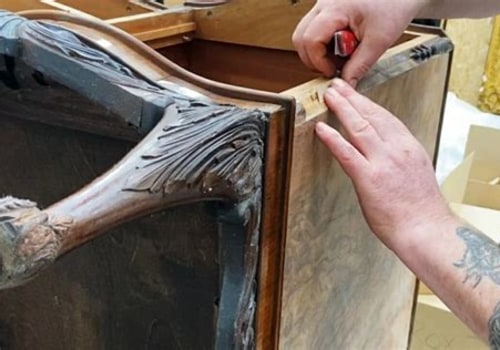
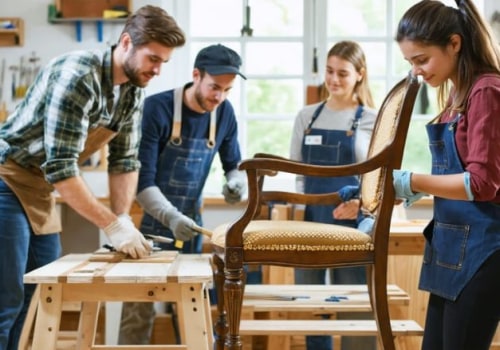
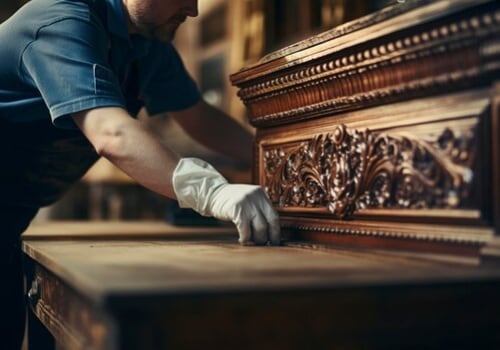
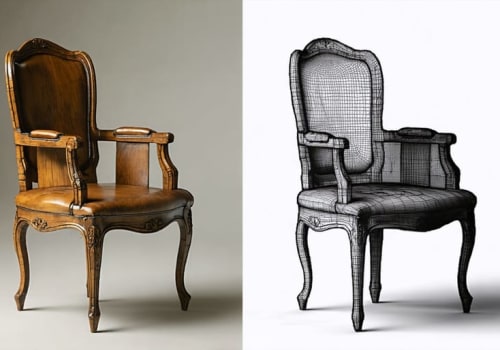
Furniture restoration is a meticulous process that breathes new life into worn or damaged pieces, transforming them into functional and aesthetically pleasing items once again. This practice encompasses a range of techniques, from simple cleaning and polishing to more complex repairs and refinishing. By understanding what furniture restoration entails, one can appreciate not only the craftsmanship involved but also the profound impact it can have on both the furniture and the environment. At its core, furniture restoration is about preserving the integrity and history of a piece while enhancing its usability. It often involves repairing structural damage, replacing missing parts, and restoring finishes to their original glory.
This process not only revives the beauty of the furniture but also extends its lifespan, making it a sustainable choice in an age where consumerism often leads to waste. The benefits of furniture restoration are manifold. Not only does it allow individuals to retain cherished family heirlooms or unique vintage finds, but it also contributes to a more sustainable lifestyle by reducing the need for new furniture production. Additionally, restored furniture often carries a character and charm that mass-produced items lack, making it a desirable choice for those looking to create a distinctive home environment.
Environmental Benefits of Furniture Restoration
Furniture restoration plays a significant role in promoting sustainability and reducing the environmental impact associated with the furniture industry. By choosing to restore rather than replace, consumers can actively participate in eco-friendly practices that benefit the planet.One of the primary environmental benefits of furniture restoration is the reduction of waste.The furniture industry is notorious for contributing to landfill overflow, with millions of tons of discarded furniture ending up in landfills each year. By restoring old pieces, we can extend their lifespan and keep them out of landfills, thereby minimizing waste.Additionally, restoring furniture conserves valuable resources. The production of new furniture requires significant amounts of raw materials, including wood, metal, and fabric. These materials often come from unsustainable sources, leading to deforestation and habitat destruction.
By opting for restoration, we reduce the demand for new materials and help preserve our natural resources.
- Reduces Carbon Footprint: The manufacturing process of new furniture generates substantial greenhouse gas emissions. Restoring existing pieces significantly lowers this carbon footprint.
- Encourages Eco-Friendly Practices: Engaging in furniture restoration promotes a culture of sustainability and encourages others to consider eco-friendly options.
- Supports Local Artisans: Many restoration projects are carried out by local craftsmen who use traditional methods, further supporting local economies and reducing transportation emissions.
Economic Advantages of Restoring Furniture
When considering furniture restoration, one of the most compelling reasons is the significant cost savings it offers compared to purchasing new furniture.New furniture can be prohibitively expensive, especially for high-quality pieces. By restoring existing items, homeowners can save a substantial amount of money while still achieving a fresh and updated look.Moreover, the value of restored furniture often exceeds that of new mass-produced items. Antique or vintage pieces, when properly restored, can appreciate in value over time. This makes restoration not just a cost-saving measure but also a potential investment.
Collectors and enthusiasts are often willing to pay a premium for well-restored items, which can lead to significant financial returns.Additionally, restoring furniture contributes to sustainability efforts, which can have long-term economic benefits. By choosing to restore rather than replace, consumers help reduce waste and the demand for new materials, which can lead to lower overall costs in the furniture market.
- Cost Savings: Restoring furniture is often much cheaper than buying new.
- Increased Value: Well-restored pieces can appreciate and become valuable assets.
- Sustainability: Restoration reduces waste and promotes eco-friendly practices.
Preserving History and Sentimentality
Furniture restoration is not just about reviving the physical appearance of a piece; it is also about preserving history and the sentimentality that comes with it. Many families possess furniture that has been passed down through generations, each piece telling a unique story that reflects the lives and experiences of those who owned it.Sentimental Value of Furniture
For many, furniture serves as a tangible connection to their past.
A grandmother's rocking chair or a father's workbench can evoke memories of family gatherings, childhood adventures, and cherished moments. Restoring these items allows individuals to keep those memories alive while also providing a functional piece for their home. The emotional attachment to such items often outweighs their monetary value, making restoration a worthwhile endeavor.
Historical Significance of Restored Furniture
Beyond personal stories, restored furniture can also hold historical significance. Antique pieces often reflect the craftsmanship and design trends of their time, offering insights into cultural and societal changes.
By restoring these items, we not only preserve their beauty but also maintain a link to our collective history. This can be particularly important in communities where local artisanship and heritage are celebrated.
Preserving Family Heirlooms
Family heirlooms often carry stories that span decades or even centuries. When these pieces are restored, they become more than just furniture; they transform into living artifacts that embody family legacies. Restoration can involve careful attention to detail, ensuring that the original character of the piece is maintained while enhancing its durability for future generations.
This process not only honors the past but also allows families to pass down their heritage in a meaningful way.In conclusion, the benefits of furniture restoration extend far beyond aesthetics. By preserving history and sentimentality, we create a bridge between generations, allowing us to cherish our past while enjoying the present.
Enhancing Aesthetic Appeal Through Restoration
Restoring furniture not only breathes new life into old pieces but also significantly enhances the aesthetic appeal of your home. With the rise of sustainability and vintage trends, furniture restoration has become a popular choice for homeowners looking to create unique and stylish interiors.Aesthetic Benefits of Furniture Restoration
- Unique Character: Restored furniture often carries a story and character that mass-produced items lack. Each piece can be customized to reflect personal style, making it a focal point in any room.
- Quality Craftsmanship: Many older furniture pieces are made from high-quality materials and craftsmanship that are hard to find in modern furniture.
Restoration highlights these qualities, adding elegance to your decor.
- Timeless Appeal: Restored furniture can blend seamlessly with various design styles, from rustic to contemporary, ensuring that your home remains stylish and inviting.
Design Trends in Restored Furniture
The current design landscape embraces eclectic styles, where restored furniture plays a crucial role. Popular trends include:
- Mixing Eras: Combining restored vintage pieces with modern decor creates a dynamic contrast that is visually appealing.
- Bold Colors and Finishes: Restoration allows for creative expression through bold paint colors or unique finishes that can transform an ordinary piece into a statement item.
- Sustainable Choices: As more people prioritize eco-friendly living, restoring furniture aligns perfectly with sustainable practices, reducing waste while enhancing home aesthetics.
Improving Home Decor with Restored Pieces
Incorporating restored furniture into your home decor can elevate the overall ambiance. Whether it’s a beautifully restored dining table or an intricately designed armchair, these pieces can serve as conversation starters and add depth to your space. By choosing restored items, you not only enhance your home’s aesthetic but also contribute to a more sustainable future.
DIY vs.
Professional Furniture Restoration: What You Need to KnowWhen it comes to furniture restoration, one of the first decisions you’ll face is whether to tackle the project yourself or hire a professional. Each approach has its own set of advantages and considerations.
DIY Furniture Restoration Tips
If you’re considering a DIY approach, here are some essential tips to keep in mind:- Assess Your Skills: Before starting, evaluate your skill level. Simple tasks like sanding and painting can be manageable, but more complex repairs may require advanced skills.
- Research Techniques: Utilize online resources, tutorials, and videos to learn about specific restoration techniques that suit your furniture type.
- Gather the Right Tools: Invest in quality tools such as sanders, brushes, and wood glue. Having the right equipment can make a significant difference in the outcome.
- Start Small: If you’re new to restoration, begin with smaller pieces or less valuable items to build your confidence and skills.
Professional Restoration Services
On the other hand, hiring a professional for furniture restoration can save time and ensure high-quality results.Here are some reasons to consider this option:
- Expertise: Professionals have extensive experience and knowledge about various materials and techniques, which can lead to a more polished finish.
- Time-Saving: Restoration projects can be time-consuming. A professional can complete the work efficiently, allowing you to enjoy your restored furniture sooner.
- Access to Specialized Tools: Professionals often have access to specialized tools and products that may not be available to the average DIYer.
When to Hire a Professional for Restoration
Certain situations warrant hiring a professional rather than attempting DIY restoration:- If the piece has significant structural damage that requires expert repair.
- If you lack the time or resources to dedicate to a thorough restoration process.
- If the furniture holds significant monetary or sentimental value, where professional expertise can ensure its preservation.
Frequently Asked Questions About Furniture Restoration
When considering furniture restoration, many people have questions about the process, timeline, and types of furniture that can be restored. Here are some common queries and their answers:How long does furniture restoration take?
The duration of furniture restoration can vary significantly based on several factors, including the type of furniture, the extent of damage, and the techniques used.Generally, simple restorations may take a few days to a week, while more complex projects can take several weeks or even months. For instance:
- Minor repairs (like touch-ups or small scratches): 1-3 days
- Refinishing (stripping and re-staining): 1-2 weeks
- Reupholstering: 1-4 weeks depending on fabric availability
- Structural repairs: 2-6 weeks based on complexity
What types of furniture can be restored?
Almost any type of furniture can be restored, but some pieces are more commonly restored than others. Here are a few examples:- Wooden furniture: Tables, chairs, cabinets, and dressers are often candidates for restoration due to their durability and timeless appeal.
- Antique furniture: These pieces often require specialized techniques to preserve their historical value while restoring functionality.
- Upholstered furniture: Sofas and chairs can be reupholstered to refresh their look and comfort.
- Metal furniture: Items like wrought iron or aluminum can be refinished to remove rust and restore their original shine.
Conclusion: The Lasting Impact of Furniture Restoration
In conclusion, furniture restoration offers a multitude of benefits that extend beyond mere aesthetics.By choosing to restore rather than replace, you not only preserve the history and character of your pieces but also contribute to a more sustainable future.Throughout this article, we explored several key advantages of furniture restoration:
- Cost-Effectiveness: Restoring furniture can often be more affordable than purchasing new items, especially when dealing with high-quality or antique pieces.
- Sustainability: By opting for restoration, you reduce waste and minimize your carbon footprint, making a positive impact on the environment.
- Customization: Restoration allows for personalization, enabling you to choose colors, finishes, and styles that match your unique taste and home decor.
- Quality Preservation: Many older pieces are crafted from superior materials compared to modern mass-produced furniture, making restoration a way to maintain quality craftsmanship.
- Sentimental Value: Restoring family heirlooms or cherished items can help preserve memories and stories that are invaluable.