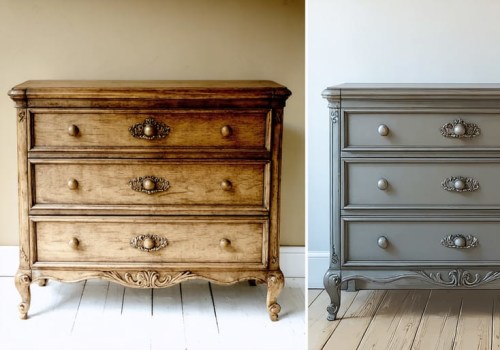
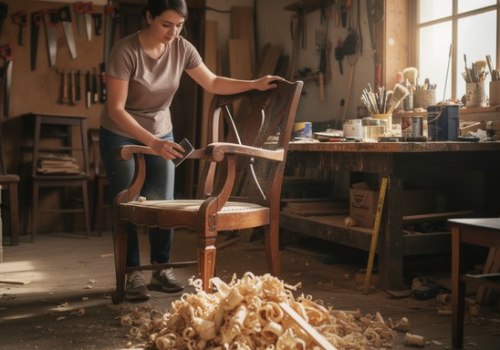
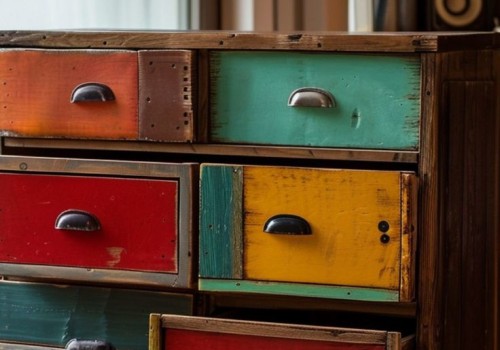
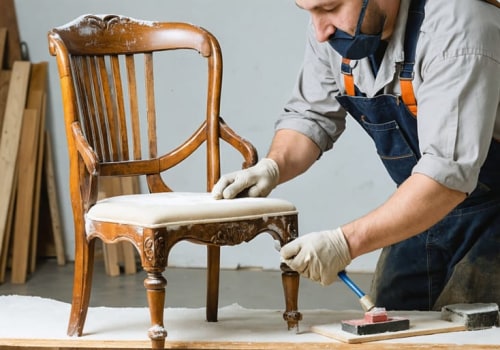
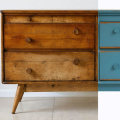
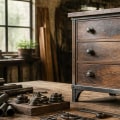
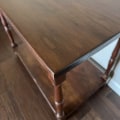
Furniture restoration is a meticulous process that breathes new life into worn or damaged pieces, transforming them into functional and aesthetically pleasing items once again. This practice not only preserves the history and craftsmanship of furniture but also enhances its longevity, making it a sustainable choice for homeowners and collectors alike. Understanding furniture restoration is essential for anyone looking to maintain the integrity of their beloved pieces while also appreciating the artistry involved in the restoration process. The benefits of furniture restoration extend beyond mere aesthetics. Restoring furniture can significantly increase its value, especially if it is a vintage or antique piece.
Additionally, it allows individuals to retain sentimental items that may have been passed down through generations, ensuring that cherished memories are preserved. By opting for restoration instead of replacement, one can also contribute to environmental sustainability by reducing waste and minimizing the demand for new resources. There are various types of furniture restoration, each tailored to address specific issues such as structural damage, surface wear, or outdated finishes. Techniques can range from simple cleaning and polishing to more complex repairs involving reupholstering or refinishing. Understanding these different methods is crucial for determining the best approach for each unique piece, ensuring that the restoration process not only meets aesthetic goals but also maintains the original character and integrity of the furniture.
Types of Furniture That Can Be Restored
When considering furniture restoration, it's essential to understand that not all furniture is created equal.Certain types of furniture are more amenable to restoration due to their materials, construction, and overall condition. Here are some common types of furniture that can be effectively restored:
- Wood Furniture: Wooden pieces, such as tables, chairs, and cabinets, are among the most frequently restored items. Their durability and timeless appeal make them ideal candidates for restoration. Common issues like scratches, dents, and fading can often be remedied through sanding, refinishing, or re-staining.
- Upholstered Furniture: Sofas and chairs with fabric or leather upholstery can also be restored.
While the frame may remain intact, the fabric can wear out over time. Reupholstering allows for a fresh look and can significantly extend the life of the piece. It's important to assess the condition of the frame before proceeding with this type of restoration.
- Metal Furniture: Items made from metal, such as wrought iron or aluminum, can be restored as well. Rust and corrosion are common issues that can be addressed through cleaning, sanding, and applying protective coatings.
Metal furniture often has a modern aesthetic that appeals to many homeowners.
- Material Quality: High-quality materials tend to withstand wear better and are more suitable for restoration.
- Structural Integrity: If the furniture is structurally sound, it is more likely to be a good candidate for restoration.
- Sentimental Value: Pieces with emotional significance often justify the time and cost involved in restoration.
Factors Influencing Restoration Feasibility
When considering furniture restoration, several key factors can influence whether a piece can be successfully restored. Understanding these factors is crucial for both enthusiasts and professionals in the field.- Material Condition: The physical state of the furniture is paramount. If the wood is rotting, the upholstery is severely damaged, or the joints are compromised, restoration may be challenging.
Assessing the extent of wear and tear will help determine if restoration is feasible.
- Historical Value: Pieces with significant historical or sentimental value often warrant restoration, even if they require extensive work. A family heirloom or an antique with provenance may justify the investment in restoration.
- Cost-Effectiveness: Restoration can be costly, and it’s essential to weigh the potential value of the restored piece against the expenses involved. If the cost of restoration exceeds the expected value of the furniture post-restoration, it may not be a wise investment.
- Skill Level Required: Some pieces may require specialized skills for restoration. If a piece needs intricate repairs that only a skilled artisan can perform, this could affect both feasibility and cost.
- Intended Use: Consider whether the restored furniture will be used regularly or displayed as a decorative piece.
If it’s meant for daily use, durability and safety become more critical factors in deciding on restoration.
By carefully evaluating each aspect, you can make an informed choice that aligns with your goals and resources.
Common Restoration Techniques
When it comes to furniture restoration, several techniques can breathe new life into worn or damaged pieces. Understanding these methods can empower both professionals and DIY enthusiasts to tackle restoration projects with confidence.Refinishing
Refinishing is one of the most common techniques used in furniture restoration. This process involves stripping the old finish from the wood, sanding it down to a smooth surface, and applying a new stain or sealant. This method not only enhances the appearance of the furniture but also protects it from future damage.For those looking to restore antique pieces, refinishing can reveal the original beauty of the wood grain.
Reupholstering
Reupholstering is essential for restoring upholstered furniture such as chairs and sofas. This technique involves removing the old fabric and padding, then replacing them with new materials. Choosing high-quality fabrics can significantly improve the durability and aesthetic appeal of the piece. Additionally, reupholstering allows for customization, enabling you to match your furniture with your home decor.Repairing
Repairing is another crucial aspect of furniture restoration.This can include fixing broken legs, reinforcing joints, or replacing missing hardware. Depending on the extent of the damage, repairs can range from simple fixes that require basic tools to more complex restorations that may need professional assistance. Regular maintenance and timely repairs can extend the life of your furniture significantly.
DIY Furniture Restoration Methods
For those interested in DIY furniture restoration, there are numerous resources available online that provide step-by-step guides and tutorials. Popular methods include:- Sanding: Essential for preparing surfaces before refinishing.
- Painting: A quick way to update the look of wooden furniture.
- Staining: Enhances wood grain while providing a protective layer.
- Decoupage: A creative way to add patterns or images to surfaces.
When to Seek Professional Help
While many furniture restoration projects can be tackled by DIY enthusiasts, there are specific scenarios where seeking professional furniture restoration services is not just advisable but essential.Understanding when to hire a professional can save you time, money, and potential damage to your cherished pieces.
Complex Damage
If your furniture has suffered from extensive damage, such as deep scratches, significant water damage, or structural issues, it’s wise to consult a professional. These experts have the tools and experience necessary to assess the damage accurately and implement effective restoration techniques that may be beyond the capabilities of a novice.Antique or Valuable Pieces
When dealing with antiques or high-value items, the stakes are higher. A professional can ensure that the restoration process maintains the item’s integrity and value. They are familiar with the specific materials and techniques required for different eras and styles, which is crucial for preserving authenticity.Specialized Techniques
Certain restoration techniques require specialized knowledge, such as upholstery, refinishing, or caning.If your project involves these methods, hiring a professional can ensure that the work is done correctly and safely. Attempting these techniques without proper training can lead to irreversible damage.
Time Constraints
If you’re short on time or lack the necessary tools, hiring a professional can expedite the restoration process. Professionals often have access to advanced equipment and materials that can significantly reduce the time required to complete a project.Safety Concerns
Some restoration projects may involve hazardous materials or require heavy lifting. If you feel uncomfortable with any aspect of the restoration process, it’s best to leave it to the professionals who are trained to handle such situations safely.In summary, while many furniture restoration tasks can be completed independently, recognizing when to seek professional help is crucial for ensuring quality results and preserving your furniture's value.If you find yourself facing complex issues or simply want peace of mind, don’t hesitate to reach out to an expert in furniture restoration.
Cost Considerations in Furniture Restoration
When considering furniture restoration, understanding the associated costs is crucial for making informed decisions. The price of restoring furniture can vary significantly based on several factors, including the type of furniture, the extent of damage, and the materials required for the restoration process.Cost Factors to Consider:
- Type of Furniture: Antique pieces may require specialized skills and materials, leading to higher costs compared to modern furniture.
- Extent of Damage: Minor repairs like refinishing or reupholstering are generally less expensive than extensive restorations that involve structural repairs.
- Materials Used: High-quality materials will increase the overall cost. For instance, using premium wood stains or fabrics can enhance durability but also raise expenses.
- Labor Costs: Hiring a professional restorer can be costly, especially if they have a strong reputation or specialized expertise.
- Get Multiple Quotes: Reach out to several restoration professionals to compare prices and services offered.
- Prioritize Repairs: Identify which repairs are essential and which can be postponed. This can help spread out costs over time.
- DIY Options: If you have some skills, consider tackling minor repairs yourself to save on labor costs.
- Set a Budget: Determine a realistic budget before starting the project and stick to it to avoid overspending.
For cherished family heirlooms or unique antiques, investing in restoration can be a rewarding decision that preserves history and enhances aesthetics. However, for mass-produced items with little value, it may be more practical to consider replacement rather than restoration.
FAQs About Furniture Restoration
When it comes to furniture restoration, many people have questions about what can be restored and the processes involved. Here are some frequently asked questions that can help clarify common concerns:- Can any type of furniture be restored?While most furniture can be restored, the extent of restoration depends on the material, age, and condition. Solid wood pieces are often easier to restore than those made from particle board or laminate.
Antique furniture typically has more value and may require specialized techniques.
- What is the cost of furniture restoration?The cost varies widely based on the type of furniture, the extent of damage, and the methods used. Simple repairs like refinishing may cost less than extensive restorations that involve structural repairs or reupholstering.
- How long does the restoration process take?The timeline for furniture restoration can range from a few days to several weeks. Factors influencing this include the complexity of the work and the availability of materials.
- Is DIY restoration a good idea?DIY restoration can be rewarding but requires knowledge and skill. For valuable or intricate pieces, hiring a professional may yield better results.
- What are common mistakes in furniture restoration?Common mistakes include using inappropriate cleaning products, skipping necessary repairs, or rushing the finishing process.
Each step is crucial for achieving a quality result.
Conclusion: The Potential of Furniture Restoration
In conclusion, furniture restoration is a viable option for a wide variety of furniture types, from antique pieces to modern designs. Throughout this article, we have explored the different aspects of restoration, emphasizing that with the right techniques and materials, many items can be brought back to life.One of the key takeaways is that not all furniture is created equal when it comes to restoration. While some pieces may require extensive work due to severe damage or wear, others might only need minor touch-ups.Understanding the condition of your furniture is crucial in determining the feasibility of restoration.Moreover, the materials used in furniture construction play a significant role in the restoration process. Solid wood pieces, for instance, are often easier to restore than those made from particleboard or laminate. This is because solid wood can be sanded down and refinished, while synthetic materials may not respond well to traditional restoration methods.Additionally, the style and age of the furniture can influence its restoration potential. Vintage and antique items often hold sentimental value and can be worth the investment in restoration.
On the other hand, mass-produced modern furniture may not have the same value proposition.Ultimately, whether you are a DIY enthusiast or considering hiring a professional, understanding the restoration process is essential. With careful planning and execution, many types of furniture can be successfully restored, allowing you to enjoy their beauty and functionality for years to come.In summary, furniture restoration opens up a world of possibilities for both preserving history and enhancing your living space. Embrace the potential of your furniture and consider giving it a new lease on life through thoughtful restoration.