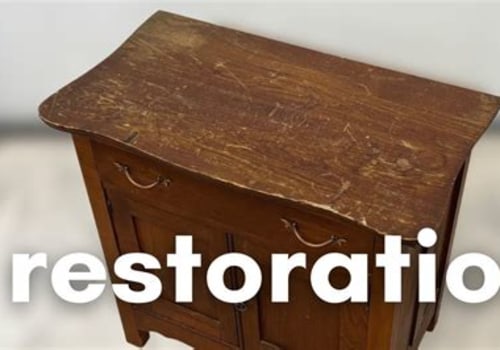
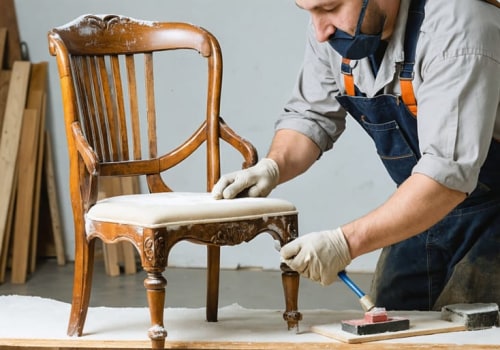
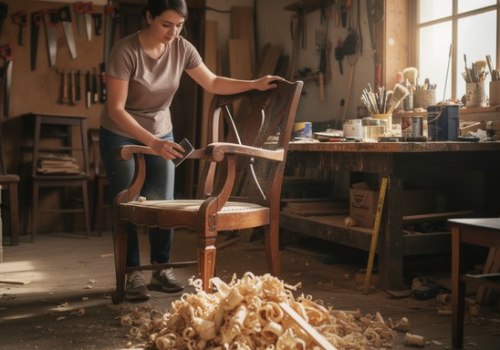
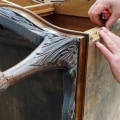
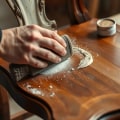
Furniture restoration is a meticulous process that involves repairing, refinishing, and rejuvenating old or damaged furniture to bring it back to its former glory. This practice not only enhances the aesthetic appeal of the piece but also extends its lifespan, making it a sustainable choice in today’s consumer-driven society. As we become increasingly aware of the environmental impact of mass production, furniture restoration emerges as a viable solution that promotes sustainability while preserving history. The definition of furniture restoration goes beyond mere repair; it encompasses a range of techniques aimed at restoring the original character and functionality of a piece. This can include everything from reupholstering chairs to refinishing wooden surfaces.
The importance of this craft cannot be overstated, as it allows individuals to maintain cherished family heirlooms or unique vintage finds that might otherwise be discarded. In a world where disposable culture often reigns, restoring furniture offers a meaningful alternative that values craftsmanship and heritage. Moreover, understanding furniture restoration is crucial for anyone looking to invest in or undertake such projects. It helps demystify the process and highlights the skills involved, which can often lead to misconceptions about what restoration entails. By addressing these misunderstandings, we can foster a greater appreciation for this art form and encourage more people to consider restoring rather than replacing their furniture.
Misconception 1: Furniture Restoration is Only for Antique Pieces
One of the most prevalent misconceptions about furniture restoration is that it is solely reserved for antique pieces.While it is true that many antique items benefit significantly from restoration, modern furniture can also be revitalized through similar techniques. In fact, the principles of furniture restoration apply to a wide range of styles and eras, making it a versatile option for anyone looking to enhance their home decor.
Why Restore Modern Furniture?
- Durability: Modern furniture often uses materials that can wear down over time. Restoration can help maintain its integrity and extend its lifespan.
- Aesthetic Appeal: Just like antiques, modern pieces can suffer from scratches, dents, or outdated finishes. A fresh coat of paint or new upholstery can breathe new life into these items.
- Personalization: Restoring modern furniture allows homeowners to customize their pieces to better fit their personal style and home environment.
Many DIY enthusiasts find joy in restoring their own furniture, regardless of its age. With the right tools and resources, anyone can learn how to restore both antique and modern pieces effectively.
Who Can Restore Furniture?
The beauty of furniture restoration lies in its accessibility. Whether you are a seasoned craftsman or a novice looking to try your hand at a new hobby, there are numerous resources available. Online tutorials, workshops, and community classes can provide valuable guidance for those interested in learning the art of restoration.In conclusion, furniture restoration is not just for antiques; it is a valuable practice that can enhance both modern and vintage pieces alike.
By dispelling this misconception, more people can appreciate the benefits of restoring their furniture, leading to a more sustainable approach to home decor.
Misconception 2: Restoration Always Decreases Value
One of the most prevalent misconceptions surrounding furniture restoration is the belief that restoring a piece will always decrease its value. This notion stems from a misunderstanding of what restoration entails and how it can impact the worth of furniture.In reality, proper restoration can significantly enhance the value of a piece. When executed by skilled artisans, restoration can revive the original beauty and functionality of furniture, making it more appealing to potential buyers. Here are some key points to consider:- Preservation of Authenticity: A well-restored piece maintains its historical integrity while improving its condition.
This balance is crucial for collectors who value authenticity.
- Quality Over Quantity: Not all restorations are created equal. High-quality materials and techniques can elevate a piece's status, whereas poor restoration can indeed diminish its value.
- Market Demand: The demand for restored furniture often surpasses that for unrefurbished items. Buyers are frequently willing to pay a premium for pieces that have been thoughtfully restored.
- Aesthetic Appeal: A beautifully restored piece can become a focal point in any room, attracting buyers who appreciate craftsmanship.
- Functionality: Restoration often involves repairing or replacing damaged components, ensuring that the furniture is not only visually appealing but also functional.
- Investment Potential: As trends shift towards sustainable living and vintage aesthetics, restored furniture can be seen as a wise investment, often appreciating over time.
Misconception 3: DIY Restoration is Always the Best Option
One of the most prevalent misconceptions about furniture restoration is that DIY restoration is always the best option.While taking on a restoration project yourself can be rewarding, it’s essential to weigh the pros and cons before diving in.
Pros of DIY Furniture Restoration
- Cost Savings: One of the primary advantages of DIY restoration is the potential for significant cost savings. By sourcing materials and doing the work yourself, you can avoid labor costs associated with hiring professionals.
- Personal Satisfaction: Completing a restoration project on your own can provide a sense of accomplishment and pride in your handiwork.
- Creative Control: DIY allows you to express your creativity and customize the piece to your liking without adhering to someone else’s vision.
Cons of DIY Furniture Restoration
- Skill Level: Not everyone possesses the necessary skills or experience for effective restoration. Mistakes can lead to irreversible damage, costing more in the long run.
- Time-Consuming: Restoration projects can be time-intensive, especially if you are learning as you go. This may not be feasible for those with busy schedules.
- Lack of Tools: Professional restorers have access to specialized tools and techniques that may not be available to the average DIYer, which can affect the quality of the final product.
Additionally, if you lack the time or confidence to tackle a project, a professional can ensure that your furniture is restored correctly and efficiently.Ultimately, while DIY restoration can be a fulfilling endeavor, it’s crucial to recognize when it’s best to call in an expert. Balancing your skills, resources, and the condition of your furniture will guide you in making the right choice for your restoration needs.
Misconception 4: All Restoration Techniques are the Same
One of the most prevalent misconceptions about furniture restoration is that all restoration techniques are interchangeable. In reality, the method chosen for restoring a piece of furniture can significantly impact its final appearance and longevity. Different types of furniture, materials, and conditions require tailored approaches to achieve the best results.For instance, wooden furniture restoration often involves techniques such as sanding, refinishing, or even stripping old paint or varnish.Each of these methods serves a specific purpose:
- Sanding: This technique is used to smooth out rough surfaces and remove imperfections. It’s essential for preparing the wood for staining or sealing.
- Refinishing: This involves applying a new coat of finish to enhance the wood's natural beauty while providing protection against wear and tear.
- Stripping: This method removes old finishes completely, allowing for a fresh start. It’s particularly useful for pieces with multiple layers of paint or varnish.
- Reupholstering: This process involves replacing the fabric and padding of a piece to restore its comfort and aesthetic appeal.
- Cushion replacement: Sometimes, simply replacing worn-out cushions can breathe new life into an old sofa or chair.
A one-size-fits-all approach can lead to unsatisfactory outcomes and may even damage the furniture further. Therefore, it’s essential to assess each piece individually and choose the appropriate restoration method based on its unique characteristics and condition.
Misconception 5: Restoration is a Quick Process
One of the most prevalent misconceptions about furniture restoration is that it can be completed in a matter of hours or days. In reality, the time required for restoration can vary significantly based on several factors.Factors Affecting Restoration Time
- Condition of the Furniture: The initial state of the piece plays a crucial role. A well-maintained item may require minimal work, while a heavily damaged piece could take weeks or even months to restore.
- Type of Restoration: Different restoration techniques demand varying amounts of time.
For instance, refinishing a surface might take less time than reupholstering an entire chair.
- Materials Used: The choice of materials can also impact the timeline. Some finishes and adhesives require longer drying times, which can extend the overall process.
- Skill Level of the Restorer: An experienced restorer may work more efficiently than someone who is still learning the craft. Their familiarity with techniques and tools can significantly reduce the time needed.
- Complexity of Design: Intricate designs or detailed carvings may require more meticulous work, thus prolonging the restoration process.
It’s essential to set realistic expectations and understand that quality restoration is a labor-intensive process that cannot be rushed.In conclusion, while it may be tempting to believe that furniture restoration is a quick fix, the reality is that it requires careful planning and execution. By acknowledging the time commitment involved, you can better appreciate the artistry and skill that goes into restoring cherished pieces of furniture.
Misconception 6: Restoration Means Losing Originality
One of the most prevalent misconceptions about furniture restoration is the belief that restoring a piece inevitably leads to a loss of its originality. Many people fear that any intervention will strip away the unique characteristics that define a vintage or antique item. However, this is far from the truth.Skilled restorers understand the importance of preserving a piece's authenticity while enhancing its beauty and functionality.
Preserving Originality in Furniture Restoration
Restoration does not mean replacing every component or altering the fundamental aspects of a piece. Instead, it involves careful assessment and selective intervention. A professional restorer will often aim to retain as much of the original material as possible, using techniques that respect the item's history. For instance, when dealing with scratches or dents, a restorer might use methods that blend repairs seamlessly with the existing finish rather than stripping it away entirely.Moreover, authentic vs restored furniture is not always a black-and-white issue.
Many collectors appreciate restored pieces for their enhanced usability and aesthetic appeal while still valuing their historical significance. A well-restored item can tell a story just as compellingly as an untouched one, especially when the restoration process is documented and transparent.
Enhancing Originality
In some cases, restoration can even enhance a piece's originality. For example, if a chair has been reupholstered with fabric that reflects its original era, it can bring new life to the piece while staying true to its roots. Additionally, restorers often have access to materials and techniques that were not available at the time of the furniture's creation, allowing them to improve durability without compromising authenticity.Ultimately, furniture restoration should be viewed as an art form that respects and celebrates originality rather than diminishes it.
By choosing skilled professionals who prioritize authenticity in their work, owners can enjoy their restored pieces without sacrificing their unique character.
Frequently Asked Questions About Furniture Restoration Misconceptions
When it comes to furniture restoration, several misconceptions can lead to confusion and hesitation among potential restorers. Here are some frequently asked questions that address these myths:- Is furniture restoration only for antique pieces? No, furniture restoration is not limited to antiques. While many people associate restoration with older items, modern furniture can also benefit from restoration techniques. Whether it’s a vintage chair or a contemporary table, any piece can be revitalized.
- Will restoring furniture decrease its value? This is a common myth.
In fact, properly restored furniture can often increase in value, especially if the restoration is done with care and attention to detail. It’s essential to maintain the integrity of the piece while enhancing its appearance.
- Do I need professional help for all restoration projects? While some projects may require professional expertise, many furniture restoration tasks can be tackled by DIY enthusiasts. Simple repairs like refinishing surfaces or reupholstering can often be done at home with the right tools and guidance.
- Is furniture restoration an expensive process? The cost of furniture restoration varies widely depending on the extent of the work needed. Minor repairs can be quite affordable, while extensive restorations may require a larger investment.
However, many find that the results are worth the expense.
- Can any type of damage be repaired? While many damages can be repaired, some severe issues may limit the effectiveness of restoration efforts. For example, extensive water damage or structural issues might require more than just cosmetic fixes. It’s important to assess the condition of the piece before proceeding.
Conclusion: Embracing the Truth About Furniture Restoration
In conclusion, understanding the realities of furniture restoration is essential for anyone considering this rewarding endeavor. Throughout this article, we have debunked several common misconceptions that often deter individuals from embracing the art of restoring furniture.By recognizing that furniture restoration is not merely about aesthetics but also about preserving history and sustainability, we can appreciate its true value.One of the most significant takeaways is that furniture restoration is not exclusively for professionals. With the right resources and a willingness to learn, anyone can engage in this fulfilling process. Whether you are a seasoned DIY enthusiast or a novice, there are countless tutorials and community support available to guide you through each step.Moreover, it’s crucial to understand that furniture restoration does not always mean returning a piece to its original state. Many restorers find joy in adding personal touches or modernizing vintage pieces while still honoring their character.
This flexibility allows for creativity and innovation, making each restored item unique.Finally, embracing furniture restoration contributes positively to the environment by reducing waste and promoting sustainability. By choosing to restore rather than discard, you are making a conscious decision to protect our planet.As you consider your next project, remember that furniture restoration is not just about fixing what’s broken; it’s about celebrating craftsmanship, history, and personal expression. So gather your tools, unleash your creativity, and embark on a journey that transforms not only furniture but also your perspective on sustainability and artistry.