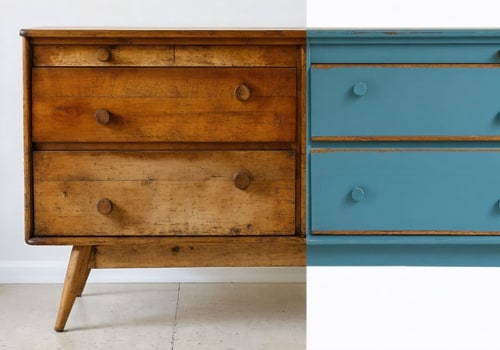
Furniture restoration is a meticulous process that breathes new life into worn or damaged pieces, transforming them from mere objects into cherished heirlooms. This practice not only enhances the aesthetic appeal of furniture but also preserves its historical and sentimental value. Understanding furniture restoration is essential for anyone who values quality craftsmanship and the stories that each piece can tell. The importance of furniture restoration extends beyond mere appearance; it plays a crucial role in sustainability. By restoring rather than replacing furniture, we reduce waste and minimize our environmental footprint.
Each restored item carries a unique narrative, reflecting the craftsmanship of its time and the memories associated with it. Recognizing the signs that indicate a piece needs restoration is vital for maintaining its integrity and prolonging its lifespan. As you delve deeper into the world of furniture restoration, you'll discover that it encompasses various techniques, from refinishing surfaces to repairing structural damage. Whether it's a family heirloom or a thrift store find, understanding when and how to restore furniture can elevate your living space while honoring the past. In the following sections, we will explore specific signs that indicate your furniture may be in need of some tender loving care.
Common Signs That Indicate Furniture Needs Restoration
Recognizing the signs of furniture damage is crucial for maintaining the longevity and aesthetic appeal of your pieces.Here are some common indicators that your furniture may need restoration:
- Scratches and Dents: Surface imperfections such as scratches and dents can detract from the beauty of your furniture. While minor scratches can sometimes be polished out, deeper dents may require more extensive restoration.
- Fading or Discoloration: Exposure to sunlight can cause fabrics and finishes to fade over time. If you notice uneven coloring or significant fading, it may be time to consider restoration to bring back the original vibrancy.
- Loose Joints: If you find that your furniture wobbles or feels unstable, this could indicate loose joints. Addressing these structural issues early can prevent further damage and ensure the piece remains functional.
- Peeling or Chipping Finish: A finish that is peeling or chipping not only looks unappealing but can also expose the underlying material to moisture and damage.
Restoration can help restore the finish and protect the furniture.
- Odors: Unpleasant smells emanating from upholstered furniture can signal mold, mildew, or other issues. Restoration may involve deep cleaning or reupholstering to eliminate these odors.
Evaluating Structural Integrity
When considering furniture restoration, evaluating the structural integrity of your piece is crucial. A well-constructed item should stand the test of time, but various factors can lead to deterioration.Here are some common signs that indicate your furniture may need restoration due to structural issues:
- Wobbling or Unsteadiness: If a chair or table wobbles when you apply pressure, it’s a clear sign that the joints may be loose or damaged. This instability not only affects usability but can also lead to further damage if not addressed.
- Loose Joints: Inspect the joints where different parts of the furniture meet. If you notice gaps or if parts can be easily moved apart, it’s time to consider restoration. Tightening screws or using wood glue can sometimes help, but significant issues may require professional attention.
- Cracks and Splits: Look for visible cracks in the wood or splits in the joints.
These can compromise the strength of the furniture and may worsen over time, leading to complete failure of the piece.
- Broken Parts: Any broken components, such as legs or arms, should be repaired immediately. Not only do they affect stability, but they can also pose safety risks.
Ignoring structural issues can lead to more extensive damage and costly repairs down the line. A thorough evaluation will help you determine whether a simple fix is sufficient or if a full furniture restoration is necessary to bring your beloved piece back to life.
Assessing Surface Damage
When it comes to furniture restoration, assessing surface damage is a crucial first step. Various types of surface damage can significantly impact both the aesthetic appeal and the value of your furniture. Understanding these damages can help you determine whether restoration is necessary.Types of Surface Damage
- Scratches: These are often the most visible signs of wear and tear.
Scratches can range from minor surface abrasions to deep gouges that expose the underlying material. Depending on their severity, they can often be repaired with simple touch-up techniques or may require more extensive refinishing.
- Stains: Stains can occur from spills, food, or even prolonged exposure to sunlight. Water rings, oil stains, and ink marks are common culprits that can mar the surface of your furniture. While some stains may be removable with cleaning solutions, others may necessitate sanding and refinishing.
- Discoloration: Over time, furniture can lose its original color due to sun exposure or aging materials.
Discoloration not only affects the look of the piece but can also indicate deeper issues with the finish or material integrity.
By recognizing the signs of surface damage early on, you can take proactive steps to preserve your investment and maintain its beauty for years to come.
Recognizing Wear and Tear Over Time
Understanding the signs of furniture wear and tear is crucial for maintaining the longevity of your pieces. Over time, even the most durable furniture can show signs of aging that indicate a need for furniture restoration. Here are some common indicators to look out for:- Scratches and Dents: Surface scratches and dents can accumulate from daily use. While minor imperfections may add character, excessive damage can compromise the integrity of the finish.
- Fading or Discoloration: Exposure to sunlight can cause fabrics and finishes to fade.
If your once-vibrant upholstery looks dull or discolored, it may be time to consider restoration.
- Loose Joints: Furniture that wobbles or has loose joints is a clear sign of wear. This instability can lead to further damage if not addressed promptly.
- Peeling Veneer: For veneered furniture, peeling or lifting veneer is a common issue that not only affects aesthetics but can also lead to more significant structural problems.
- Stains and Odors: Persistent stains or unpleasant odors in upholstery can indicate deeper issues, such as mold or mildew, which require professional attention.
The Impact of Environmental Factors on Furniture Condition
Environmental factors play a crucial role in the longevity and condition of furniture.Understanding how elements like humidity, sunlight, and temperature fluctuations affect your pieces can help you identify when they need restoration.
Humidity and Wood Damage
Wood is particularly sensitive to humidity. High humidity levels can cause wood to absorb moisture, leading to warping, swelling, or even cracking. Conversely, low humidity can dry out the wood, resulting in splits and fissures. If you notice that your wooden furniture has developed cracks or is no longer fitting together as it should, it may be time for restoration.Maintaining a stable humidity level between 30% and 50% can help mitigate these issues.
Sunlight Effects on Upholstery
Exposure to direct sunlight can significantly damage upholstery fabrics. Over time, UV rays can cause colors to fade and materials to weaken, leading to tears or fraying. If your upholstered furniture has lost its vibrancy or shows signs of wear in sun-exposed areas, it may require restoration. Using window treatments or repositioning furniture away from direct sunlight can help protect these pieces.Temperature Fluctuations
Extreme temperature changes can also impact furniture condition.Rapid shifts from hot to cold can cause materials to expand and contract, leading to structural issues. For instance, metal components may rust or corrode if exposed to moisture in a humid environment. Regularly checking for signs of damage due to temperature changes is essential for maintaining your furniture's integrity.In summary, being aware of how environmental factors affect your furniture can help you take proactive measures. By monitoring humidity levels, protecting against sunlight, and maintaining stable temperatures, you can extend the life of your furniture and determine when it needs restoration.
DIY vs.
Professional Restoration: Making the Right ChoiceWhen it comes to furniture restoration, deciding between a DIY approach and hiring a professional can be challenging. Each option has its own set of advantages and disadvantages, depending on the extent of damage and your personal skills.
DIY Furniture Restoration Tips
If the damage to your furniture is minor, such as scratches, small dents, or faded finishes, a DIY restoration might be the perfect solution. Here are some tips to consider:- Assess the Damage: Before starting, evaluate the condition of the piece. If it only requires cosmetic fixes, you can likely handle it yourself.
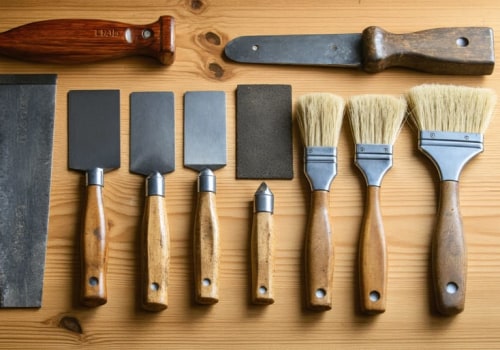
- Gather Supplies: Basic tools like sandpaper, wood glue, and paint or stain can often suffice for minor repairs.
- Follow Tutorials: There are countless online resources and videos that can guide you through specific restoration techniques.
- Start Small: If you're new to restoration, practice on less valuable pieces to build your confidence.
When to Hire a Professional for Restoration
However, there are situations where hiring a professional is advisable:- Extensive Damage: If your furniture has significant structural issues or extensive water damage, a professional's expertise is crucial.
- Antique or Valuable Pieces: For high-value items, professional restoration can help maintain their integrity and value.
- Lack of Time or Skills: If you’re short on time or lack the necessary skills, hiring a professional can save you frustration and ensure quality results.
Cost of Professional Restoration
The cost of hiring a professional for furniture restoration varies widely based on factors such as:- The Type of Restoration Needed: Simple repairs may cost less than complete refinishing or structural repairs.
- The Professional's Experience: More experienced restorers may charge higher rates but often deliver superior results.
- Your Location: Prices can vary significantly depending on regional labor costs.
Conclusion: The Importance of Timely Furniture Restoration
In conclusion, recognizing the signs that a piece of furniture needs restoration is crucial for maintaining its beauty and functionality.Furniture restoration not only enhances the aesthetic appeal of your home but also extends the lifespan of cherished pieces. By being attentive to specific indicators, you can make informed decisions about when to restore rather than replace. Key signs to look for include:
- Visible Damage: Scratches, dents, or cracks can detract from the overall appearance and may worsen over time if not addressed.
- Structural Issues: Wobbly legs, loose joints, or sagging seats indicate that the furniture may need professional attention to ensure safety and usability.
- Fading or Discoloration: Sun exposure and wear can lead to fading, making restoration necessary to revive the original color and finish.
- Unpleasant Odors: Musty smells or lingering odors can signal underlying issues such as mold or mildew, which require restoration to eliminate.
Whether it’s a family heirloom or a thrift store find, recognizing when a piece needs restoration is key to enjoying it for years to come.