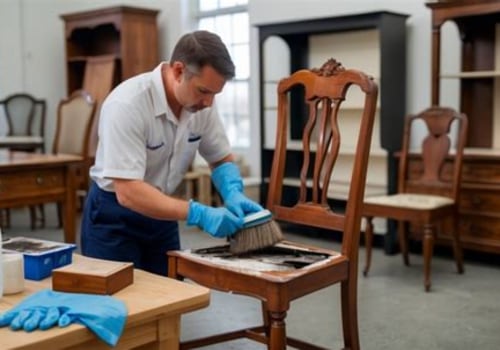
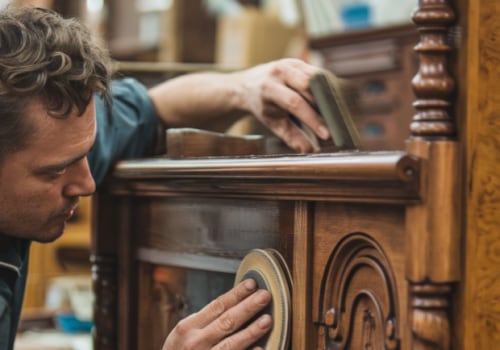
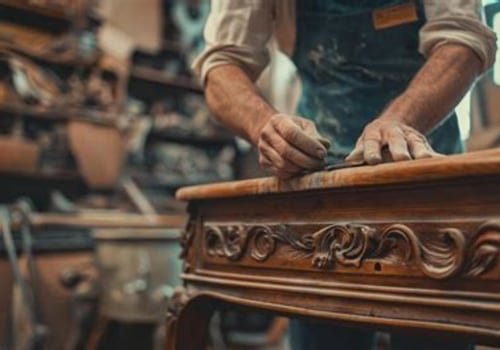
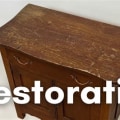
Furniture restoration is an art that breathes new life into worn or damaged pieces, transforming them into stunning focal points of any room. This process involves not just repairing physical damage but also preserving the history and character of the furniture. Whether it’s a vintage chair passed down through generations or a mid-century modern table found at a flea market, furniture restoration allows you to maintain the integrity of these items while enhancing their aesthetic appeal. The significance of furniture restoration extends beyond mere aesthetics; it also contributes to sustainability. By restoring rather than discarding old furniture, you reduce waste and promote a more eco-friendly lifestyle.
Additionally, restored furniture often carries a unique charm that mass-produced items lack, making it a desirable choice for those looking to create a personalized living space. Understanding the benefits of furniture restoration is crucial for anyone considering this endeavor. Not only does it preserve the craftsmanship of bygone eras, but it also adds value to your home. Well-restored pieces can become conversation starters and heirlooms that tell a story. However, to fully enjoy these benefits, proper storage and care are essential.
This ensures that your restored furniture remains in excellent condition for years to come, allowing you to appreciate its beauty and history without compromise.
The Importance of Proper Storage for Restored Furniture
Proper storage for restored furniture is crucial to ensure its longevity and maintain its aesthetic appeal. When furniture is restored, it often undergoes various treatments that can make it more susceptible to damage if not stored correctly. Here are some key factors to consider:- Humidity: High humidity levels can lead to mold growth and wood warping, while low humidity can cause cracking and splitting. Aim to keep the humidity level between 40% and 60% to protect your restored pieces.
- Temperature: Extreme temperatures can adversely affect the materials used in furniture restoration.
Ideally, store your furniture in a climate-controlled environment where temperatures remain stable, ideally between 60°F and 75°F.
- Light Exposure: Direct sunlight can fade finishes and fabrics over time. Store your restored furniture in a dark or shaded area, or use protective covers to shield it from light exposure.
- Use Furniture Pads: Place felt pads under the legs of chairs and tables to prevent scratches and damage to surfaces.
- Avoid Stacking: Never stack furniture on top of each other, as this can lead to dents and structural damage. Instead, keep pieces separated with adequate space.
- Covers and Wraps: Use breathable covers made from cotton or linen to protect your furniture from dust while allowing air circulation.
Ideal Conditions for Storing Restored Furniture
When it comes to furniture restoration, understanding the ideal conditions for storing your restored pieces is crucial to maintaining their beauty and integrity. Proper storage not only protects the furniture from damage but also prolongs its lifespan.Temperature and Humidity
The optimal temperature for storing restored furniture typically ranges between 60°F and 75°F.This temperature range helps prevent warping, cracking, and other forms of damage that can occur with extreme heat or cold. Additionally, maintaining a consistent temperature is essential; fluctuations can lead to stress on the materials.Humidity levels should ideally be kept between 40% and 60%. High humidity can cause wood to swell and develop mold, while low humidity can lead to drying and cracking. Using a dehumidifier or humidifier can help regulate these levels, especially in areas prone to moisture or dryness.
Light Exposure
Another critical factor in storing restored furniture is light exposure.Direct sunlight can fade finishes and cause discoloration over time. To protect your pieces, store them in a dark or shaded area, or use protective covers that block UV rays. If possible, avoid fluorescent lighting as it can also emit harmful rays that may damage the furniture's surface.
Additional Storage Tips
- Avoid basements and attics: These areas often have fluctuating temperatures and humidity levels that can be detrimental to your furniture.
- Use breathable covers: When covering your furniture, opt for materials that allow air circulation to prevent moisture buildup.
- Keep away from walls: Positioning furniture a few inches away from walls can help prevent moisture transfer and allow for better air circulation.
Best Practices for Storing Different Types of Furniture
Properly storing restored furniture is essential to maintain its beauty and integrity. Different materials require specific care to prevent damage over time.Here are some best practices for storing various types of furniture.
Storing Wooden Furniture
Wooden furniture is particularly sensitive to changes in humidity and temperature. To ensure its longevity, follow these guidelines:- Climate Control: Store wooden pieces in a climate-controlled environment to avoid warping or cracking. Ideal humidity levels should be between 40-60%.
- Cover with Breathable Materials: Use cotton sheets or furniture covers that allow air circulation while protecting against dust.
- Avoid Direct Sunlight: Keep wooden furniture away from direct sunlight to prevent fading and discoloration.
Storing Upholstered Furniture
Upholstered furniture requires special attention to prevent mildew and maintain fabric integrity:- Clean Before Storing: Ensure that all upholstery is clean and dry before storage to prevent stains and odors.
- Use Protective Covers: Invest in breathable fabric covers to shield against dust and pests while allowing air circulation.
- Avoid Compression: Store upholstered items upright and avoid stacking them to prevent crushing the cushions and fabric.
Storing Metal Furniture
Metal furniture can be durable, but it still requires care to prevent rust and corrosion:- Clean Thoroughly: Remove any dirt or grime before storage, as these can lead to rust if left on the surface.
- Apply a Protective Coating: Consider applying a thin layer of wax or oil to protect against moisture.
- Avoid Humid Areas: Store metal furniture in a dry location, as high humidity can accelerate rusting.
Routine Care and Maintenance for Restored Furniture
Caring for restored furniture is essential to preserve its beauty and functionality over time. Regular maintenance not only enhances the aesthetic appeal but also extends the lifespan of your cherished pieces.Here are some effective furniture maintenance tips to keep your restored items in top condition.
- Dust Regularly: Use a soft, lint-free cloth to dust your furniture weekly. This prevents dirt and grime from accumulating, which can damage the finish.
- Avoid Direct Sunlight: Position your restored furniture away from direct sunlight to prevent fading and warping. Consider using window treatments to filter light.
- Use Coasters and Placemats: Protect surfaces from heat and moisture by using coasters under drinks and placemats under dishes. This helps prevent stains and scratches.
- Clean with Care: When cleaning, use a mild soap solution or a product specifically designed for the type of finish on your furniture.
Avoid harsh chemicals that can strip the finish.
- Check for Loose Joints: Periodically inspect joints and connections for looseness. Tighten screws or bolts as needed to maintain structural integrity.
Avoid soaking wood surfaces, as excess moisture can lead to damage. Instead, lightly dampen your cloth when cleaning and dry immediately afterward.By following these routine care practices, you can ensure that your restored furniture remains a stunning centerpiece in your home for years to come.
Common Mistakes to Avoid When Caring for Restored Furniture
Caring for restored furniture can be a rewarding experience, but it’s essential to avoid common mistakes that can lead to damage or deterioration. Here are some frequent errors to watch out for:- Neglecting Regular Maintenance: One of the biggest mistakes is failing to perform regular maintenance. Dust and dirt can accumulate, leading to scratches and dull finishes.
Make it a habit to gently clean your restored pieces with a soft, lint-free cloth.
- Using Harsh Chemicals: Many people mistakenly use abrasive cleaners or harsh chemicals that can strip the finish or damage the wood. Always opt for pH-balanced cleaners specifically designed for furniture care.
- Ignoring Humidity Levels: Wood is sensitive to changes in humidity. Placing restored furniture in overly dry or humid environments can cause warping or cracking. Aim to keep indoor humidity levels between 30% and 50%.
- Overexposure to Sunlight: Direct sunlight can fade finishes and warp wood.
Avoid placing restored furniture in direct sunlight; instead, use curtains or UV-filtering window films to protect your pieces.
- Skipping Protective Measures: Failing to use coasters, placemats, or felt pads can lead to scratches and heat damage. Always protect surfaces from hot items and spills.
- Improper Storage: If you need to store restored furniture, avoid stacking items on top of each other or placing them in damp areas like basements. Use breathable covers and store them in a climate-controlled environment.
FAQs About Storing and Caring for Restored Furniture
When it comes to furniture restoration, proper care and storage are essential to maintain the beauty and integrity of your pieces.Here are some frequently asked questions that can help you navigate this process.
How should I store restored furniture?
Storing restored furniture requires careful consideration to prevent damage. Here are some tips:- Climate Control: Store your furniture in a climate-controlled environment to avoid extreme temperatures and humidity, which can warp wood and damage finishes.
- Upholstered Pieces: For upholstered furniture, use breathable covers to protect against dust while allowing air circulation.
- Avoid Direct Sunlight: Keep your restored pieces away from direct sunlight to prevent fading and discoloration.
- Proper Support: Use padded furniture pads or blankets when stacking items to avoid scratches and dents.
What is the best way to clean restored furniture?
Cleaning your restored furniture properly is crucial for its longevity. Follow these guidelines:- Dust Regularly: Use a soft, dry cloth to dust surfaces regularly, preventing buildup that can scratch finishes.
- Avoid Harsh Chemicals: Stick to mild soap and water for cleaning; harsh chemicals can strip finishes and damage wood.
- Test Cleaners: Always test any cleaner on a small, inconspicuous area first to ensure it does not harm the finish.
How often should I maintain my restored furniture?
Regular maintenance is key to preserving your investment. Consider the following:- Annual Inspection: Inspect your furniture at least once a year for signs of wear or damage.
- Reapply Finish: Depending on usage, you may need to reapply protective finishes every few years to keep surfaces looking fresh.
Conclusion: Preserving Your Restored Furniture for Generations
In conclusion, preserving your restored furniture is essential for maintaining its beauty and functionality for generations to come.By implementing the right storage and care techniques, you can ensure that your cherished pieces remain in excellent condition. First and foremost, always consider the environment in which your furniture is stored. Avoid placing restored items in areas with high humidity or extreme temperature fluctuations, as these conditions can lead to warping, cracking, or mold growth. Instead, opt for a climate-controlled space that offers consistent temperature and humidity levels. Regular maintenance is also crucial. Dust your furniture frequently using a soft, lint-free cloth to prevent dirt buildup that can scratch surfaces.
For wooden pieces, applying a suitable furniture polish or wax every few months can help protect the finish and enhance its shine. When it comes to cleaning, always use gentle products specifically designed for the material of your furniture. Avoid harsh chemicals that can damage finishes or fabrics. For upholstered items, consider professional cleaning services to maintain their integrity without risking damage. Lastly, be mindful of how you use and display your restored furniture. Avoid placing heavy objects on delicate surfaces and use coasters to prevent water rings.
If possible, keep restored pieces out of direct sunlight to prevent fading and discoloration. By following these guidelines, you not only protect your investment but also honor the craftsmanship involved in furniture restoration. With proper care, your restored furniture can be a source of pride and enjoyment for many years to come.