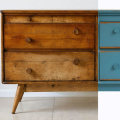
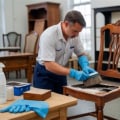
Furniture restoration is an art that breathes new life into old, worn-out pieces, transforming them into stunning focal points for any space. This process goes beyond mere repair; it involves a deep understanding of the materials, techniques, and history behind each item. By engaging in furniture restoration, individuals not only preserve the craftsmanship of the past but also contribute to a more sustainable future by reducing waste and promoting the reuse of resources. The significance of furniture restoration lies in its ability to enhance the aesthetic and functional value of furniture. Whether it’s a vintage chair with a broken leg or a scratched dining table, restoration can revive these items, making them not only usable but also beautiful.
The benefits are manifold: restored furniture often carries a unique character that mass-produced items lack, and it can serve as a conversation starter in your home. Additionally, investing in restoration can be more cost-effective than purchasing new furniture, especially when dealing with high-quality pieces that have stood the test of time. Moreover, the process of restoring furniture can be incredibly rewarding. It allows individuals to express their creativity and personal style while learning valuable skills along the way. From sanding and painting to reupholstering and refinishing, each step in the restoration journey offers an opportunity for self-expression and craftsmanship.
As we delve deeper into the various creative ways to upcycle old furniture through restoration, you’ll discover how this practice not only enhances your living space but also fosters a deeper appreciation for the stories that each piece holds.
Assessing Your Old Furniture: What to Look For
When considering furniture restoration, the first step is to thoroughly assess your old furniture to determine its potential for upcycling. Here are some key aspects to evaluate:- Structural Integrity: Check for any signs of damage such as loose joints, broken legs, or sagging surfaces. A piece with a solid frame is often worth restoring, while those with extensive structural issues may not be.
- Material Quality: Identify the materials used in the furniture. Solid wood pieces are generally more desirable for restoration than particle board or laminate, which may not hold up well after refinishing.
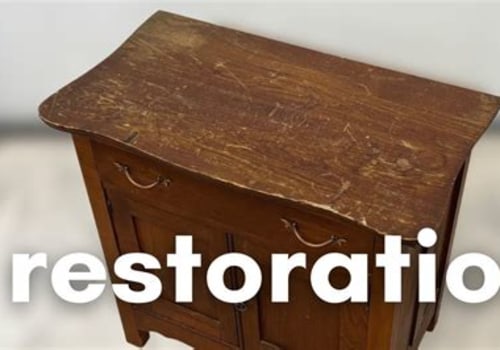
- Surface Condition: Examine the finish for scratches, dents, or water damage.
Minor imperfections can often be repaired or refinished, but extensive damage may require more intensive work.
- Style and Design: Consider whether the style of the furniture fits current trends or your personal aesthetic. Vintage or unique designs can add character to your space and are often more valuable.
- Hardware and Accessories: Look at the knobs, handles, and hinges. Original hardware can enhance the value of a piece, so ensure they are intact and functional.
If you find a piece that resonates with you and meets these criteria, it may be a perfect candidate for upcycling.Ultimately, assessing your old furniture involves a combination of practical evaluation and personal connection. Trust your instincts—if a piece speaks to you and shows potential, it’s worth considering for restoration.
Creative Upcycling Ideas for Different Furniture Types
Repurposing old furniture through furniture restoration not only breathes new life into your home but also allows for unique, personalized pieces that reflect your style. Here are some creative upcycling ideas tailored to various types of furniture:Chairs
- Reupholster with Bold Fabrics: Transform a tired chair by reupholstering it with vibrant, patterned fabric. This can turn a simple piece into a statement item.
- Make a Plant Stand: Old dining chairs can be converted into charming plant stands.
Simply remove the seat and place a pot on the frame for a rustic look.
Tables
- Turn a Coffee Table into a Storage Unit: Add baskets or drawers underneath an old coffee table to create extra storage while maintaining functionality.
- Paint and Stencil: A fresh coat of paint combined with stenciled designs can revitalize an outdated table, making it a focal point in your living space.
Cabinets
- Convert to a Bar Cart: An old cabinet can be transformed into a stylish bar cart. Add wheels for mobility and paint it in a fun color to match your decor.
- Add Open Shelving: Remove the doors from an old cabinet and replace them with open shelves. This creates an airy feel and allows you to display decorative items.
Techniques for Restoring Furniture: Step-by-Step Guide
Restoring furniture can be a rewarding project that not only breathes new life into old pieces but also allows you to express your creativity.Here’s a step-by-step guide to some effective furniture restoration techniques.
- Assess the Condition: Begin by examining the furniture for any damage, such as scratches, dents, or loose joints. Take note of what needs repair and what can be preserved.
- Clean Thoroughly: Use a gentle cleaner suitable for the material. For wood, a mixture of vinegar and water can work wonders. Ensure all dirt and grime are removed to prepare the surface for restoration.
- Repair Structural Issues: If there are loose joints, use wood glue to reattach them.
For broken pieces, clamps can help hold them in place while the glue dries. Fill in any cracks or holes with wood filler, sanding it smooth once dry.
- Refinish the Surface: Depending on the desired look, you may choose to paint, stain, or varnish the furniture. If you opt for paint, consider using chalk paint for a matte finish. For staining, choose a color that enhances the natural grain of the wood.
- Upholstery Restoration: If your piece has fabric elements, consider reupholstering it.
Remove old fabric and padding carefully, then replace it with new materials that match your style. Don’t forget to use a staple gun to secure the new fabric tightly.
- Add Finishing Touches: Once the main restoration is complete, add hardware like knobs or handles that complement your design. You might also consider applying a protective finish to ensure durability.
Tools and Materials Needed for Furniture Restoration
Embarking on a furniture restoration project requires the right tools and materials to ensure success.Whether you are a seasoned DIY enthusiast or a beginner, having the essential items at your disposal can make all the difference in your upcycling journey.
Essential Tools for Furniture Restoration
- Screwdrivers: A set of both flathead and Phillips screwdrivers is crucial for disassembling furniture and making repairs.
- Sandpaper: Various grits of sandpaper (from coarse to fine) are necessary for smoothing surfaces and preparing them for painting or staining.
- Pliers: Useful for gripping, twisting, and cutting wires or nails that may be part of the furniture's construction.
- Paintbrushes and Rollers: High-quality brushes and rollers will help achieve a smooth finish when applying paint or varnish.
- Clamps: These are essential for holding pieces together while glue dries or when making adjustments during assembly.
- Utility Knife: Perfect for cutting through fabric, foam, or other materials when reupholstering furniture.
Materials Needed for Upcycling
- Wood Glue: A strong adhesive is vital for repairing joints and reinforcing structural integrity.
- Paint or Stain: Choose high-quality paint or wood stain to enhance the appearance of your restored furniture.
- Upholstery Fabric: If you plan to reupholster, select durable fabric that complements your design vision.
- Foam Padding: Essential for adding comfort to chairs and sofas during the reupholstering process.
- Finishing Products: Consider using sealants, waxes, or topcoats to protect your finished piece from wear and tear.
Common Mistakes to Avoid in Furniture Restoration
When embarking on a furniture restoration project, it’s easy to get caught up in the excitement and overlook critical steps that can lead to costly mistakes. Here are some common pitfalls to avoid:- Skipping Preparation: One of the biggest mistakes is diving into restoration without proper preparation. Always clean the furniture thoroughly and assess its condition before starting.
This includes checking for structural issues, such as loose joints or broken parts.
- Ignoring Original Materials: Many DIYers make the mistake of replacing original materials with modern alternatives. While it may seem easier, using the same type of wood or fabric can maintain the piece's authenticity and value.
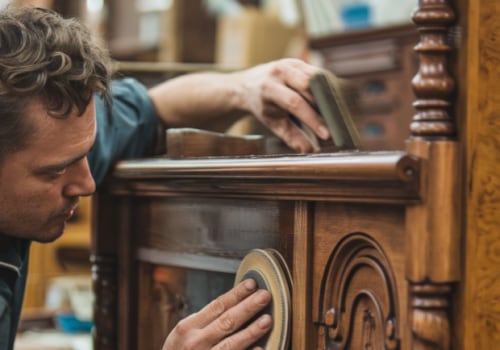
- Over-sanding: While sanding is essential for a smooth finish, over-sanding can damage the wood and remove its natural character. Use fine-grit sandpaper and be gentle, especially on antique pieces.
- Choosing the Wrong Finish: Selecting an inappropriate finish can ruin your hard work. For example, using a glossy finish on a rustic piece may not yield the desired aesthetic.
Always test finishes on a small area first.
- Neglecting Safety Precautions: Restoration often involves chemicals and tools that can be hazardous. Failing to wear protective gear or work in a well-ventilated area can lead to health risks.
Inspiration from Successful Furniture Restoration Projects
When it comes to furniture restoration, the stories of transformation can be incredibly inspiring. Many individuals have taken on the challenge of revamping old pieces, breathing new life into them and showcasing their creativity. Here are some remarkable success stories that highlight the potential of upcycled furniture.- Vintage Dining Table Revival: One homeowner found a dilapidated oak dining table at a garage sale.
With some sanding, a fresh coat of white paint, and new hardware, the table transformed into a stunning centerpiece for family gatherings. The before-and-after photos reveal a dramatic change, showcasing how simple restoration techniques can yield beautiful results.
- Chic Upholstered Chairs: A pair of worn-out armchairs were given a second chance with vibrant fabric and new foam cushions. The owner documented the process online, sharing tips on selecting the right materials and techniques for upholstery. The final product not only enhanced their living space but also inspired others to tackle similar projects.
- Repurposed Bookshelf: An old bookshelf was converted into a stylish bar cart.
By removing the back panel and adding wheels, the owner created a functional piece that serves as both storage and decor. This project exemplifies how upcycling can lead to innovative solutions for small spaces.
Whether you’re an experienced DIYer or just starting out, these success stories can motivate you to embark on your own furniture restoration adventure.
Sustainable Practices in Furniture Restoration and Upcycling
In the realm of furniture restoration, embracing sustainability is not just a trend; it’s a necessity. By focusing on eco-friendly practices, we can significantly reduce waste and minimize our environmental footprint while breathing new life into old pieces.Eco-Friendly Materials
- Natural Paints and Finishes: Opt for low-VOC (volatile organic compounds) paints and finishes that are less harmful to both the environment and your health. These products often come from natural sources, making them a safer choice for indoor air quality.
- Reclaimed Wood: Using reclaimed wood not only adds character to your furniture but also helps preserve forests by reducing the demand for new lumber. This practice is particularly beneficial in DIY projects, where unique textures and histories can be showcased.
- Eco-Friendly Adhesives: Traditional adhesives can contain harmful chemicals.
Look for water-based or plant-based adhesives that provide strong bonds without compromising your health or the environment.
Benefits of Sustainable Practices
- Reduced Waste: By restoring and upcycling furniture, you divert items from landfills, contributing to a circular economy.
- Cost-Effective Solutions: Sustainable practices often lead to significant savings. Instead of purchasing new furniture, restoring what you already have can be more economical.
- Unique Creations: Upcycling allows for creativity and personalization. Each restored piece tells a story, making your home decor truly one-of-a-kind.
Frequently Asked Questions About Furniture Restoration
When it comes to furniture restoration, many enthusiasts have questions about the process, techniques, and best practices.Here are some frequently asked questions that can help guide you through your restoration journey.
What is furniture restoration?
Furniture restoration involves repairing, refinishing, or refurbishing old or damaged furniture to bring it back to its original condition or to give it a new life. This can include tasks such as sanding, painting, reupholstering, and replacing hardware.Can I restore any type of furniture?
While most furniture can be restored, some pieces may be more challenging than others. Solid wood furniture is often easier to restore than particle board or laminate. Before starting a project, assess the condition of the piece and determine if it’s worth the effort.What tools do I need for furniture restoration?
- Sanding tools: Sandpaper or an electric sander for smoothing surfaces.
- Paint and stain: Choose high-quality products suitable for the material.
- Upholstery tools: If reupholstering, you’ll need a staple gun, fabric, and foam padding.
- Basic hand tools: Screwdrivers, pliers, and a hammer for repairs.
What are some tips for beginners in furniture restoration?
- Start small: Choose a simple project like a chair or small table to build your skills.
- Research techniques: Watch tutorials or read guides specific to the type of restoration you want to undertake.
- Take your time: Rushing can lead to mistakes; patience is key in achieving quality results.
- Practice safety: Always wear protective gear when sanding or using chemicals.