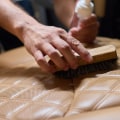
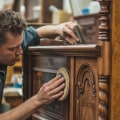
In recent years, furniture restoration has emerged as a captivating trend in the realm of modern home decor. As homeowners increasingly seek unique and sustainable options to furnish their spaces, restored furniture offers a perfect blend of history and contemporary style. Each piece tells a story, reflecting the craftsmanship of the past while seamlessly integrating into today’s design aesthetics. This growing appreciation for vintage furniture not only enhances the character of a home but also promotes eco-friendly practices by reducing waste and encouraging the reuse of materials. The allure of restored furniture lies in its ability to serve as a focal point in any room.
Imagine a beautifully refinished mid-century chair paired with sleek, modern lines or a rustic farmhouse table set against minimalist decor. Such combinations create a striking contrast that elevates the overall ambiance of a space. Moreover, incorporating these unique pieces allows homeowners to express their individuality and personal style, setting their interiors apart from mass-produced alternatives. As we delve deeper into the world of furniture restoration, we will explore various ways to incorporate these timeless treasures into your home. From selecting the right pieces to understanding how they can complement current interior design trends, this journey will inspire you to embrace the charm and functionality that restored furniture brings to modern living.
Understanding Furniture Restoration
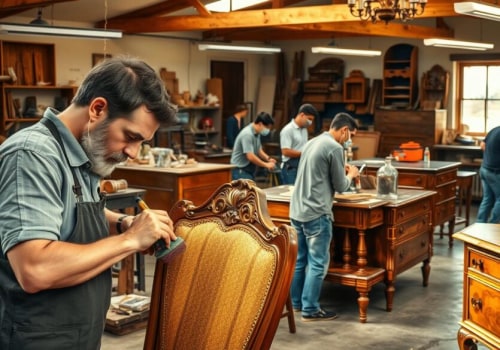
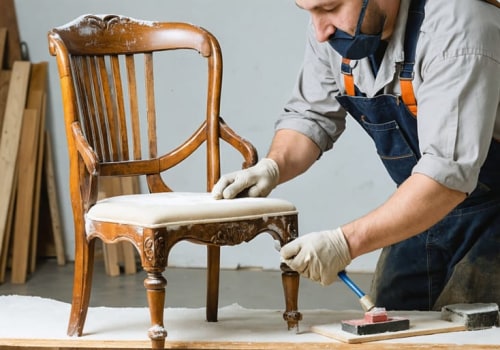
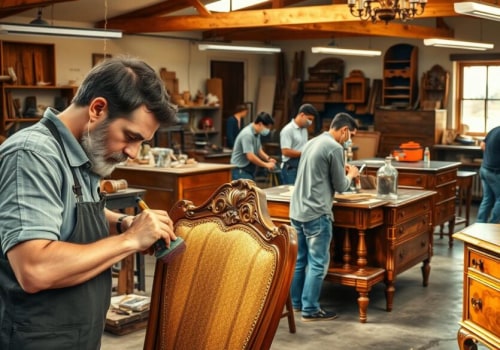
Furniture restoration is the process of repairing, refinishing, and revitalizing old or damaged furniture to bring it back to its original condition or to enhance its aesthetic appeal.This practice not only preserves the history and craftsmanship of the piece but also allows homeowners to incorporate unique items into their modern decor.There are several methods involved in furniture restoration, each tailored to the specific needs of the piece:
- Refinishing: This involves stripping away old finishes and applying new ones, which can dramatically change the look of a piece while preserving its structure.
- Repairing: Broken legs, loose joints, or damaged surfaces can be fixed using various techniques, ensuring that the furniture is both functional and visually appealing.
- Reupholstering: For upholstered furniture, replacing worn-out fabric with new materials can breathe new life into a chair or sofa, making it more comfortable and stylish.
- Environmental Impact: Restoring furniture is a sustainable choice that reduces waste and minimizes the demand for new resources.
- Unique Character: Each restored piece carries its own story and charm, adding character to your home that mass-produced items often lack.
- Quality Craftsmanship: Older furniture is often made from higher-quality materials than many modern alternatives, ensuring durability and longevity.
Choosing the Right Restored Furniture for Your Space
When it comes to furniture restoration, choosing the right pieces for your modern home decor can significantly enhance the overall aesthetic. Here are some key considerations to keep in mind:Color Coordination
The color of restored furniture should complement your existing color palette. Look for pieces that either match or contrast effectively with your walls and other furnishings.For instance, a vibrant, restored mid-century chair can serve as a stunning focal point against neutral tones, while a softly painted vintage dresser can seamlessly blend into a pastel-themed room.
Style Compatibility
Consider the style of your home when selecting restored furniture. Whether your decor leans towards minimalist, industrial, or bohemian, there are restored pieces that can fit right in:- Minimalist: Opt for sleek, simple designs with clean lines.
- Industrial: Look for restored items made from metal or reclaimed wood.
- Bohemian: Choose colorful, eclectic pieces that tell a story.
Size and Scale
The size of the restored furniture is crucial in ensuring it fits well within your space. Measure your area before making a purchase to avoid overcrowding. A large, restored dining table can become the centerpiece of an open-concept living area, while smaller accent tables can add charm without overwhelming the space.Ultimately, incorporating restored furniture into your modern decor is about finding a balance between aesthetics and functionality.By considering color, style, and size, you can create a harmonious environment that showcases the beauty of furniture restoration.
Incorporating Restored Furniture into Different Rooms
Incorporating restored furniture into your home decor can add character and charm to any room. Here are some practical tips for integrating these unique pieces into your living room, bedroom, and kitchen.Restored Furniture in the Living Room
The living room is often the heart of the home, making it an ideal space to showcase restored furniture. Consider using a vintage coffee table as a focal point. Pair it with modern sofas to create a striking contrast that highlights both styles.Additionally, a restored sideboard can serve as both a functional storage solution and an eye-catching display for decorative items.
- Mix and Match: Combine restored pieces with contemporary decor to create an eclectic look.
- Color Coordination: Choose restored furniture that complements your existing color palette for a cohesive feel.
- Layer Textures: Use different materials, such as wood and metal, to add depth to your living space.
Restored Furniture in the Bedroom
Your bedroom should be a sanctuary, and incorporating restored furniture can enhance its warmth and personality. A beautifully restored dresser can serve as a statement piece while providing ample storage. Consider adding a vintage nightstand on either side of the bed for symmetry and functionality.- Personal Touch: Use restored furniture that reflects your personal style, whether it's rustic, industrial, or mid-century modern.
- Accent Pieces: A restored rocking chair or bench at the foot of the bed can add charm and serve as additional seating.
Kitchen Decor with Restored Pieces
The kitchen is another area where restored furniture can shine. A reclaimed wood dining table can create a warm and inviting atmosphere for family meals.Pair it with mismatched chairs for a casual, lived-in look that feels both stylish and comfortable.
- Open Shelving: Incorporate restored shelves to display vintage dishware or cookbooks, adding both function and flair.
- Carts and Islands: A restored kitchen cart can provide extra prep space while serving as a decorative element.
Mixing Modern and Vintage Styles
Incorporating restored furniture into modern home decor can create a stunning eclectic home design that reflects your personal style. The key to successfully mixing modern and vintage styles lies in understanding how to balance the two aesthetics while maintaining a cohesive look.1.Choose a Focal Point
- Select a standout piece of restored furniture, such as a vintage armchair or a beautifully refinished dining table, to serve as the focal point of the room.
- Ensure that this piece complements the modern elements in your space, such as sleek lines or contemporary colors.
2.Create a Color Palette
- Establish a color scheme that harmonizes both modern and vintage pieces. Neutral tones can serve as a backdrop, allowing the restored furniture to shine.
- Incorporate pops of color through accessories or artwork that tie together the different styles.
3.Mix Textures and Materials
- Combine various textures to add depth to your decor. Pair smooth, modern surfaces with the rich textures of restored wood or upholstered vintage pieces.
- Consider using metal accents from modern decor to complement the organic feel of restored furniture.
4.Layering and Arrangement
- Layering is essential in creating an inviting space.
Use rugs, throws, and cushions to soften the look and add warmth.
- Arrange furniture in a way that encourages conversation and flow, ensuring that both modern and vintage pieces are easily accessible and visually appealing.
5.Personal Touches
- Add personal items like family photos or travel souvenirs to enhance the eclectic feel of your home.
- These elements can bridge the gap between modern and vintage styles, making your space uniquely yours.
DIY Restoration Projects for Homeowners
For homeowners looking to breathe new life into their living spaces, DIY furniture restoration projects can be both rewarding and cost-effective. Whether you’re a seasoned DIYer or a beginner, there are numerous ways to tackle restoration projects that can enhance your home decor.Beginner Restoration Projects
- Refinishing Wooden Furniture: Start with a simple piece like a wooden chair or table. Sand down the surface to remove old paint or varnish, then apply a fresh coat of stain or paint to match your decor.
- Reupholstering Chairs: If you have an old chair with worn-out fabric, consider reupholstering it. Choose a fabric that complements your home’s color scheme and follow online tutorials for guidance.
- Creating a Distressed Look: For a rustic vibe, try distressing furniture.
Use sandpaper on edges and corners to create a weathered appearance, then finish with a clear sealant.
Tips for Restoring Furniture at Home
- Gather the Right Tools: Ensure you have essential tools like sandpaper, paintbrushes, and upholstery staples before starting your project.
- Work in a Well-Ventilated Area: Many restoration products emit fumes, so it’s crucial to work in a space with good airflow.
- Take Your Time: Rushing through the process can lead to mistakes. Allow each coat of paint or stain to dry completely before moving on to the next step.
Caring for Restored Furniture: Maintenance Tips
Caring for restored furniture is essential to maintain its beauty and longevity. Whether you have a vintage chair or a refurbished table, proper maintenance can help preserve the craftsmanship and character of these unique pieces.Regular Cleaning
Dust and dirt can accumulate on restored furniture, so regular cleaning is crucial.Use a soft, lint-free cloth to gently wipe surfaces. For wood pieces, consider using a damp cloth followed by a dry one to avoid moisture damage. Avoid harsh chemicals that can strip finishes; instead, opt for mild soap and water when necessary.
Protecting Surfaces
- Coasters: Always use coasters under drinks to prevent water rings and heat damage.
- Tablecloths: For dining tables, consider using tablecloths or placemats during meals to protect the surface.
- Furniture Pads: Attach felt pads to the bottom of furniture legs to prevent scratches on floors.
Avoiding Direct Sunlight
Direct sunlight can fade and damage the finish of restored furniture. Position your pieces away from windows or use curtains and blinds to filter sunlight.If possible, rotate items occasionally to ensure even exposure to light.
Humidity Control
Wood furniture is sensitive to humidity changes. Maintain a stable environment with a humidity level between 30% and 50%. Consider using a dehumidifier in damp areas or a humidifier in dry conditions to protect your restored pieces.Periodic Maintenance
- Re-oiling: For wooden furniture, re-oil surfaces every few months with a suitable wood oil to keep the finish nourished.
- Tightening Joints: Regularly check and tighten screws or joints that may become loose over time.
- Professional Restoration: If you notice significant wear or damage, consider consulting a professional for restoration services rather than attempting repairs yourself.
Frequently Asked Questions about Furniture Restoration
When it comes to furniture restoration, many people have questions and misconceptions that can hinder their understanding of the process.Here are some frequently asked questions that can help clarify these doubts.
What is furniture restoration?
Furniture restoration is the process of repairing and refurbishing old or damaged furniture to bring it back to its original condition or to enhance its aesthetic appeal. This can involve cleaning, refinishing, reupholstering, and repairing structural issues.Is restored furniture durable?
Yes, when done correctly, restored furniture can be just as durable as new pieces. The key is to use high-quality materials and techniques during the restoration process. Proper care and maintenance will also extend the life of restored items.Can I restore furniture myself?
While some people choose to tackle furniture restoration as a DIY project, it requires a certain level of skill and knowledge.If you're inexperienced, you might want to start with smaller projects or seek guidance from professionals to avoid damaging valuable pieces.
What are common misconceptions about furniture restoration?
- Restoration is the same as refinishing: While refinishing is a part of restoration, it does not encompass the entire process. Restoration may include structural repairs, upholstery work, and more.
- All restored furniture looks old: Many people believe that restored pieces will always look outdated. In reality, skilled restorers can modernize the look while preserving the character of the piece.
- Restoration is too expensive: The cost of restoration varies widely based on the extent of work needed. In many cases, investing in restoration can be more economical than purchasing new high-quality furniture.
Whether you're considering a DIY project or hiring a professional, being aware of these common questions and misconceptions will enhance your experience.
Conclusion: The Timeless Appeal of Restored Furniture in Modern Homes
Incorporating restored furniture into modern home decor not only enhances the aesthetic appeal of your space but also tells a story of craftsmanship and sustainability. As we have explored, the blend of vintage charm with contemporary design creates a unique atmosphere that resonates with both style and history.One of the most compelling reasons to embrace furniture restoration is its ability to serve as a conversation starter. Each piece carries its own narrative, inviting guests to engage and share in the history behind the furniture. This personal touch can transform a house into a home, making it feel warm and inviting.Moreover, restored furniture often boasts superior quality compared to many mass-produced items available today.The durability and craftsmanship of older pieces can provide long-lasting value, making them a wise investment for any homeowner. By choosing restored items, you are not only opting for unique decor but also supporting sustainable practices that reduce waste.As you consider integrating restored furniture into your modern decor, keep in mind the following:
- Mix and Match: Combine restored pieces with contemporary items to create an eclectic yet cohesive look.
- Highlight Unique Features: Use lighting and placement to draw attention to the distinctive characteristics of restored furniture.
- Personalize Your Space: Incorporate textiles or accessories that complement the style of your restored pieces, enhancing their visual impact.