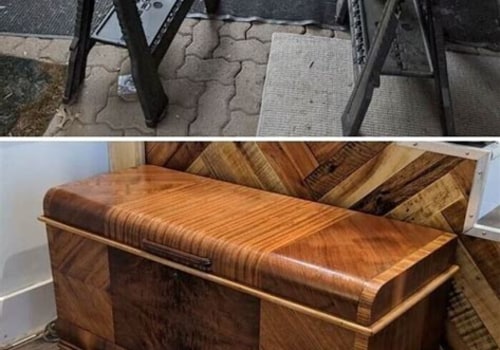
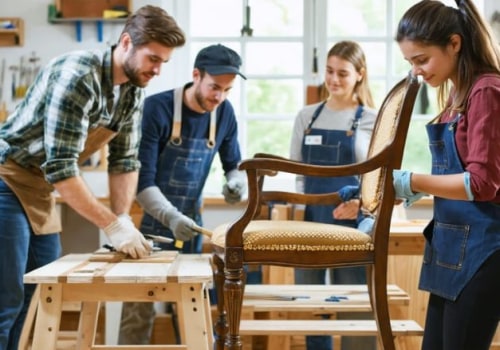
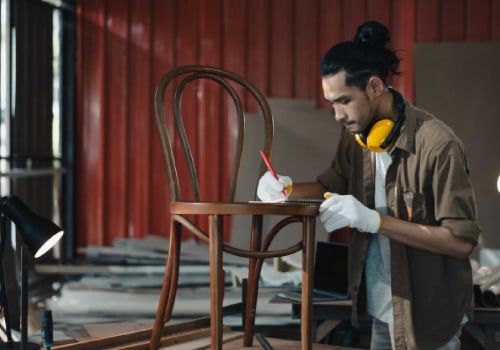
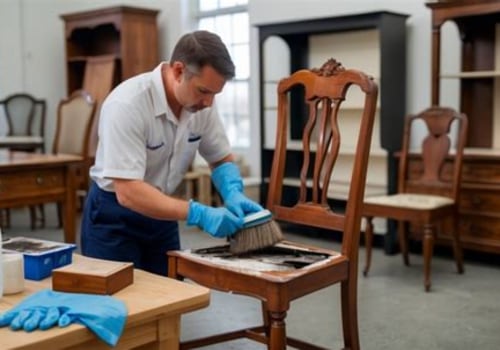
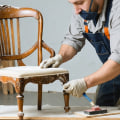
Furniture restoration is more than just a practical endeavor; it is a deeply personal journey that connects us to our past. Many of us possess pieces of furniture that hold sentimental value, whether it’s a family heirloom passed down through generations or a cherished item from a significant life event. These pieces often tell stories that transcend their physical form, making the act of restoring them not only about preservation but also about honoring memories and relationships. The furniture restoration process involves various techniques aimed at repairing, refinishing, or revitalizing furniture to its former glory. This can range from simple cleaning and polishing to more complex repairs like reupholstering or structural reinforcement.
Each step in the process is an opportunity to breathe new life into an item that may have seen better days, allowing you to maintain its character while enhancing its functionality. Beyond the aesthetic improvements, the benefits of furniture restoration extend into emotional and environmental realms. Restoring sentimental pieces can provide a sense of closure and connection, allowing you to keep memories alive in a tangible form. Additionally, by choosing to restore rather than replace, you contribute to sustainability efforts by reducing waste and minimizing the demand for new resources. In this way, furniture restoration becomes a meaningful act that honors both personal history and the planet.
Assessing Your Furniture's Condition
When considering furniture restoration, the first step is to thoroughly assess the condition of your sentimental piece.Understanding its current state will help you determine what can be restored and what may need to be replaced.
How to Assess Furniture Condition
- Visual Inspection: Start with a careful visual examination. Look for any obvious signs of damage such as scratches, dents, or discoloration. Pay attention to joints and seams, as these areas can indicate structural issues.
- Check for Stability: Gently shake or move the furniture to see if it wobbles or feels unstable. A sturdy piece is essential for successful restoration.
- Examine the Finish: The finish can tell you a lot about the furniture's condition.
Look for peeling, flaking, or bubbling, which may require refinishing.
Signs of Damage in Furniture
- Wood Rot: If you notice soft spots or a musty smell, this could indicate wood rot, which is often irreversible.
- Termite Damage: Small holes or powdery residue can signal an infestation. Addressing this issue is crucial before any restoration work.
- Upholstery Issues: Check for tears, stains, or sagging in upholstered pieces. These can often be repaired or reupholstered.
Evaluating Sentimental Furniture
Your sentimental furniture may not hold significant monetary value, but its emotional worth is priceless. When evaluating such pieces, consider the following:
- Personal History: Reflect on the memories associated with the piece.
This can influence your decision on how much effort and resources you want to invest in restoration.
- Feasibility of Restoration: Determine if the damage is superficial or structural. Minor scratches and worn finishes are often easy to fix, while major repairs may require professional help.
- Your Skills and Resources: Assess your own DIY skills and whether you have access to tools and materials needed for restoration.
DIY vs. Professional Restoration: What You Need to Know
When it comes to furniture restoration, one of the first decisions you’ll face is whether to tackle the project yourself or hire a professional.Each approach has its own set of advantages and disadvantages, and understanding these can help you make the best choice for your sentimental piece.
DIY Furniture Restoration
Taking on a DIY furniture restoration project can be incredibly rewarding. It allows you to connect with your furniture on a personal level and can save you money. Here are some pros and cons:- Pros:
- Cost-effective: You can save on labor costs by doing it yourself.
- Personal touch: You can customize the restoration to your liking, ensuring it reflects your style.
- Satisfaction: Completing a project on your own can provide a sense of accomplishment.
- Cons:
- Time-consuming: Restoring furniture can take a significant amount of time, especially if you're learning as you go.
- Lack of expertise: Without experience, you may inadvertently cause more damage or fail to achieve the desired results.
- Tools and materials: You may need to invest in tools and materials that you don’t already own.
Professional Furniture Restoration Services
If your furniture requires extensive work or if you're unsure about your skills, hiring a professional might be the best route. Here’s what to consider:- Pros:
- Expertise: Professionals have the training and experience to handle complex restorations effectively.
- Quality results: They often achieve a finish that is difficult for amateurs to replicate.
- Time-saving: Professionals can complete the work much faster than most DIYers.
- Cons:
- Cost: Hiring professionals can be expensive, which may not be feasible for all budgets.
- Lack of personal involvement: You may miss out on the personal connection that comes from doing it yourself.
If the piece holds significant sentimental value, weighing these factors carefully will help ensure that you make the right choice for its future.
Essential Tools and Materials for Furniture Restoration
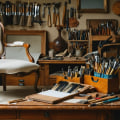
When embarking on a furniture restoration project, having the right tools and materials is crucial for achieving the best results. Below is a comprehensive list of essential items you will need to successfully restore your sentimental pieces.Essential Tools
- Screwdrivers: A set of both flathead and Phillips screwdrivers will help you disassemble furniture and make necessary repairs.
- Hammer: A claw hammer is useful for removing nails and for general assembly tasks.
- Pliers: Needle-nose pliers can assist in gripping small parts, while regular pliers are great for bending and cutting wire.
- Saw: A hand saw or jigsaw may be needed for cutting wood pieces if you need to replace damaged sections.
- Sanding Block or Electric Sander: These tools are essential for smoothing surfaces before applying new finishes.
- Paintbrushes and Rollers: For applying paint or stain evenly across surfaces.
Materials Needed
- Wood Glue: Ideal for bonding broken or loose joints.
- Wood Filler: Use this to fill in cracks or holes before sanding and finishing.
- Stain or Paint: Choose a color that matches your vision for the restored piece.
- Varnish or Sealant: Protects the finish and enhances durability.
- Upholstery Fabric: If your furniture has cushions, consider new fabric to refresh its look.
Additionally, consider visiting thrift stores or estate sales for unique finds that can add character to your project.By equipping yourself with these essential tools and materials, you’ll be well-prepared to tackle your furniture restoration project with confidence and care, ensuring that your cherished items are preserved for years to come.
Step-by-Step Guide to Restoring Your Sentimental Furniture
Restoring sentimental furniture can be a rewarding project that not only preserves memories but also enhances the beauty of your pieces. Follow this step-by-step guide to breathe new life into your cherished items.- Assess the Condition: Begin by examining your furniture for any damage, such as scratches, dents, or loose joints. Take note of what needs repair and what can be cleaned.
- Clean Thoroughly: Use a gentle cleaner suitable for the material of your furniture. For wood, a mixture of mild soap and water works well.
Avoid harsh chemicals that can damage the finish.
- Repair Damages: For minor scratches, consider using a wood filler or touch-up marker. If there are loose joints, use wood glue to reattach them securely. Allow adequate drying time before proceeding.
- Refinish the Surface: If the finish is worn or damaged, you may want to refinish it. Start by sanding the surface with fine-grit sandpaper to remove the old finish.
Wipe away dust with a damp cloth.
- Apply New Finish: Choose a finish that suits your style—oil, varnish, or polyurethane are popular options. Apply evenly with a brush or cloth, following the manufacturer’s instructions for drying times between coats.
- Reupholster (if necessary): If your furniture has fabric components that are worn out, consider reupholstering. Remove old fabric carefully and use it as a template for cutting new fabric. Staple or sew the new fabric in place securely.
Restoring furniture is not just about the end result; it’s about honoring the memories attached to each piece. With patience and care, you can successfully restore your sentimental furniture to its former glory.
Common Challenges in Furniture Restoration and How to Overcome Them
Restoring furniture can be a rewarding endeavor, especially when the piece holds sentimental value. However, it often comes with its own set of challenges. Understanding these common obstacles can help you navigate the restoration process more effectively.Identifying Structural Issues
One of the first challenges you may encounter is identifying structural issues.Many older pieces may have hidden damage, such as loose joints or weakened frames. To overcome this:
- Inspect thoroughly: Look for signs of wear, such as cracks or wobbling. Use a level to check stability.
- Reinforce joints: If you find loose joints, consider using wood glue or dowels to secure them.
Dealing with Finishes
The finish on your furniture can also pose a challenge. Old varnishes and paints may be difficult to remove without damaging the wood underneath.Here are some tips:
- Test solvents: Always test a small area with your chosen solvent to see how the wood reacts.
- Use heat: A heat gun can help soften old finishes for easier removal.
Color Matching
If you're planning to stain or paint your furniture, achieving the right color can be tricky. To tackle this:- Create samples: Test different stains on a hidden area of the furniture to find the best match.
- Blend colors: Sometimes mixing stains can yield a more accurate color that matches the original.
Time Management
Restoration projects can take longer than anticipated, leading to frustration. To manage your time effectively:- Set realistic goals: Break down the project into manageable tasks and set deadlines for each.
- Be patient: Quality restoration takes time; rushing can lead to mistakes.
Maintaining Restored Furniture: Tips for Longevity
Once you have successfully restored your furniture, the next crucial step is to ensure its longevity through proper maintenance.Caring for restored furniture
not only preserves its aesthetic appeal but also safeguards the sentimental value it holds. Here are some essential tips to help you maintain your restored furniture:- Regular Cleaning: Dust your furniture regularly using a soft, lint-free cloth.
Avoid using harsh chemicals that can damage the finish. Instead, opt for a mild soap solution or a specialized wood cleaner.
- Avoid Direct Sunlight: Prolonged exposure to sunlight can fade colors and damage finishes. Position your furniture away from direct sunlight or use window treatments to minimize exposure.
- Control Humidity: Wood is sensitive to changes in humidity. Keep your furniture in a climate-controlled environment, ideally between 30-50% humidity, to prevent warping or cracking.
- Use Coasters and Mats: Protect surfaces from scratches and heat damage by using coasters under drinks and mats under decorative items.
This simple step can significantly extend the life of your furniture.
- Periodic Re-oiling or Waxing: Depending on the type of finish, consider re-oiling or waxing your furniture every few months. This helps maintain its luster and provides a protective barrier against wear.
FAQs About Furniture Restoration
When it comes to furniture restoration, many people have questions, especially when dealing with items that hold sentimental value. Here are some frequently asked questions that can help guide you through the process.What should I consider before restoring sentimental furniture?
Before diving into restoration, consider the following:- Condition: Assess the current state of the furniture.
Is it structurally sound? Are there any major damages that need immediate attention?
- Sentimental Value: Determine how much the piece means to you. Sometimes, a simple cleaning or minor repairs can be more meaningful than a complete overhaul.
- Restoration Techniques: Research different methods of restoration. Some techniques may preserve the original character of the piece better than others.
What are common concerns when restoring sentimental items?
Many first-time restorers worry about:- Loss of Originality: Will the restoration change the piece too much? It's essential to strike a balance between restoring and preserving.
- Cost: Restoration can sometimes be expensive. Set a budget and prioritize what needs to be done.
- Time Investment: Understand that quality restoration takes time.
Rushing through the process can lead to unsatisfactory results.
Tips for first-time restorers
If you're new to furniture restoration, here are some helpful tips:- Start Small: Begin with less valuable pieces to build your skills and confidence.
- Document the Process: Take before and after photos. This not only helps track progress but also adds to the sentimental value of your project.
- Seek Professional Help: If you're unsure about a particular technique, don’t hesitate to consult with professionals or experienced restorers.
Conclusion: The Value of Restoring Sentimental Furniture
In conclusion, restoring sentimental furniture is not just about preserving an object; it’s about cherishing memories and honoring the stories that come with it. Throughout this article, we’ve explored the emotional and practical benefits of taking on such projects. By breathing new life into pieces that hold personal significance, you can create a lasting legacy that transcends generations.One of the most compelling reasons to restore sentimental furniture is the emotional connection it fosters.Each scratch, dent, or faded area tells a story, reminding us of cherished moments spent with loved ones. By restoring these items, you are not only enhancing their aesthetic appeal but also reinforcing the bonds tied to them.Moreover, furniture restoration can be a fulfilling and creative endeavor. It allows you to express your personal style while also making practical improvements. Whether it’s reupholstering a beloved chair or refinishing a family heirloom table, the process can be incredibly rewarding.
You gain skills and knowledge that can be applied to future projects, making each restoration a stepping stone in your journey as a DIY enthusiast.Additionally, restoring sentimental furniture can be a sustainable choice. Instead of discarding old pieces that may not have monetary value, you contribute to environmental conservation by reducing waste and promoting recycling. This aligns with a growing trend towards sustainability in home decor.As you consider your own furniture restoration projects, remember that the value of these items often lies beyond their market price. They are vessels of memory and emotion.
So gather your tools, embrace your creativity, and embark on the journey of restoration. Not only will you revive cherished pieces, but you will also create new memories in the process.
Take action today
: look around your home for those special items that deserve a second chance. With patience and dedication, you can transform them into beautiful reminders of your past while adding unique character to your living space.