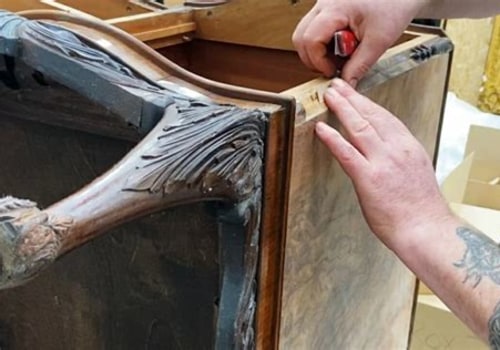
Furniture restoration is a skilled practice that breathes new life into pieces that have seen better days. It encompasses a range of techniques aimed at repairing, refinishing, and revitalizing furniture, making it not only functional but also aesthetically pleasing. Whether it’s a cherished heirloom or a thrift store find, understanding furniture restoration is essential for anyone looking to preserve the beauty and utility of their furnishings. The significance of furniture restoration lies in its ability to transform severely damaged or broken items into valuable assets. This process can involve anything from simple cleaning and polishing to more complex repairs like reupholstering or structural reinforcement.
By restoring furniture, you not only save money compared to purchasing new items but also contribute to sustainability by reducing waste. Each restored piece tells a story, adding character and charm to your home. Moreover, the benefits of furniture restoration extend beyond mere aesthetics. Restored furniture can enhance the overall value of your home, making it more appealing to potential buyers. Additionally, engaging in restoration projects can be a rewarding hobby that fosters creativity and craftsmanship.
As we delve deeper into the possibilities of restoring severely damaged furniture, it’s important to recognize that with the right techniques and a bit of patience, even the most distressed pieces can be brought back to life.
Types of Furniture Damage
Furniture can experience a variety of damages over time, each requiring different approaches for effective furniture restoration. Understanding the types of damage is crucial for identifying the right repair methods.Common Types of Furniture Damage
- Scratches: Surface scratches are one of the most common issues, often caused by everyday use. They can be minor or deep, affecting the finish and appearance of the furniture.
- Dents: Dents occur when heavy objects are placed on furniture or when furniture is bumped into. These can often be repaired with steam or specialized tools that help lift the wood back to its original shape.
- Water Damage: Exposure to moisture can lead to warping, staining, or even mold growth.
Water rings from cups or spills can penetrate finishes, requiring careful treatment to restore the surface.
- Structural Issues: Over time, joints may loosen, legs may break, or frames may warp. These structural problems often require more extensive repairs, such as re-gluing joints or replacing broken parts.
Identifying Specific Problems
To effectively address these issues, it’s important to assess the extent of the damage. For instance, minor scratches might be easily remedied with a touch-up pen or polish, while significant water damage may necessitate refinishing the entire piece. By understanding the specific type of damage your furniture has sustained, you can choose the most appropriate furniture repair method and determine whether professional help is needed. In summary, recognizing the various types of furniture damage not only aids in proper identification but also enhances your ability to restore your beloved pieces effectively.Whether it’s a simple scratch or a complex structural issue, knowing what you’re dealing with is the first step towards successful furniture restoration.
Assessing the Extent of Damage
When considering furniture restoration, the first step is to assess the extent of damage. Understanding the condition of your furniture is crucial in determining whether restoration is feasible and what methods may be required.Begin by examining the piece closely. Look for the following signs of severe damage:- Structural Issues: Check for wobbling, loose joints, or broken legs. If the furniture cannot support its own weight, it may require extensive repairs.
- Surface Damage: Inspect for deep scratches, dents, or gouges in the wood.
While minor surface imperfections can often be sanded down or refinished, severe damage may necessitate replacement of parts.
- Water Damage: Look for discoloration, warping, or swelling, which are indicators of water exposure. This type of damage can compromise the integrity of the material.
- Pest Infestation: Signs of pests such as termites or wood-boring beetles can indicate significant damage that may require professional intervention.
- Upholstery Condition: For upholstered furniture, check for tears, stains, or worn-out fabric. If the frame is intact but the upholstery is damaged, reupholstering might be a viable option.
- Cost of Restoration: Compare the estimated cost of repairs to the value of the furniture.
If restoration costs exceed its worth, it may not be worth pursuing.
- Your Skills and Resources: Assess whether you have the tools and skills necessary for DIY repairs or if you need to hire a professional.
- Sentimental Value: Sometimes, a piece of furniture holds emotional significance that justifies the effort and expense of restoration.
DIY vs. Professional Restoration: What You Need to Know
When it comes to furniture restoration, one of the first decisions you’ll face is whether to tackle the project yourself or hire a professional. Each option has its own set of advantages and disadvantages that can significantly impact the outcome of your restoration efforts.DIY Furniture Restoration
For those who enjoy hands-on projects, DIY furniture restoration can be a rewarding experience. Here are some benefits:- Cost-Effective: Doing it yourself can save you money on labor costs.
- Personal Satisfaction: Successfully restoring a piece can provide a sense of accomplishment.
- Creative Control: You have the freedom to choose your materials and techniques.
- Skill Level: Not everyone has the necessary skills or experience, which can lead to unsatisfactory results.
- Time-Consuming: Restoration projects can take longer than anticipated, especially for beginners.
- Risk of Damage: Improper techniques may worsen the damage rather than improve it.
Professional Furniture Restoration
If your furniture is severely damaged or if you lack the time or skills for a DIY project, hiring a professional may be the best option.Here are some reasons to consider:
- Expertise: Professionals have the training and experience to handle complex repairs effectively.
- Quality Materials: They often have access to high-quality materials that may not be available to the average consumer.
- Time Efficiency: Professionals can complete projects more quickly due to their expertise and tools.
When to Hire a Pro
If your furniture has significant structural damage, intricate details that require specialized skills, or if you simply feel overwhelmed by the project, it’s wise to consult a professional. Assessing the extent of the damage and your own capabilities will help you make an informed decision about whether to go the DIY route or seek expert assistance.Techniques for Restoring Severely Damaged Furniture
Restoring severely damaged furniture requires a combination of skill, patience, and the right techniques. Here are some effective furniture restoration techniques that can breathe new life into your beloved pieces.Refinishing
Refinishing is one of the most common methods for restoring furniture.This process involves stripping away the old finish, sanding the surface, and applying a new coat of stain or paint. Here’s how to do it:
- Strip the Old Finish: Use a chemical stripper or sandpaper to remove the existing finish. Be sure to work in a well-ventilated area and wear protective gear.
- Sanding: Sand the surface to smooth out imperfections and prepare it for the new finish. Start with coarse sandpaper and gradually move to finer grits.
- Apply New Finish: Choose a stain or paint that complements your furniture style.
Apply it evenly, allowing adequate drying time between coats.
Reupholstering
If your furniture has fabric that is worn or damaged, reupholstering can be an excellent option. This technique not only enhances aesthetics but also improves comfort. Follow these steps:- Remove Old Upholstery: Carefully take off the old fabric and padding, noting how it was attached for reference.
- Select New Fabric: Choose a durable fabric that suits your style and is appropriate for the furniture's use.
- Reattach New Upholstery: Cut the new fabric to size, attach it securely using staples or tacks, and add new padding if necessary.
Structural Repairs
For furniture with structural damage, such as broken legs or loose joints, structural repairs are essential. Here are some common methods:- Glue Joints: Use wood glue to reattach loose joints.
Clamp them together until the glue dries for a strong bond.
- Replace Broken Parts: If a leg or arm is broken beyond repair, consider replacing it with a similar piece from a salvage yard or crafting a new one.
- Add Bracing: For added stability, install corner braces or brackets in areas that experience stress.
Success Stories: Real-Life Examples of Furniture Restoration
Furniture restoration is not just about repairing items; it’s about breathing new life into beloved pieces that tell a story. Here are some inspiring success stories that showcase the transformative power of furniture restoration.Case Study 1: The Antique Rocking Chair
A family heirloom, this antique rocking chair had seen better days. With a broken leg and faded upholstery, it was destined for the trash until a skilled restorer took on the challenge.After carefully re-gluing the joints and reupholstering with a vibrant fabric, the chair was not only structurally sound but also a stunning centerpiece in the living room. The family was thrilled to see their cherished piece restored to its former glory.
Case Study 2: The Mid-Century Modern Table
This mid-century modern dining table had deep scratches and water stains that made it look worn out. The owner decided to invest in furniture restoration rather than purchasing a new table. The restorer sanded down the surface, applied a rich stain, and finished it with a protective coat.The result? A beautiful table that looked brand new, proving that sometimes all it takes is a little TLC to revive a classic.
Before and After: A Stunning Transformation
- Before: A dilapidated dresser with peeling paint and broken drawers.
- After: A chic, modern dresser with a fresh coat of paint and fully functional drawers.
Frequently Asked Questions about Furniture Restoration
When considering furniture restoration, many people have questions about the process, costs, and feasibility. Here are some frequently asked questions that can help clarify your doubts.What is furniture restoration?
Furniture restoration is the process of repairing and refurbishing old or damaged furniture to bring it back to its original condition or to enhance its aesthetic appeal.This can involve a variety of techniques, including refinishing, reupholstering, and structural repairs.
Is my furniture worth restoring?
The value of restoring your furniture depends on several factors:- Sentimental Value: If the piece has significant emotional importance, it may be worth restoring regardless of its market value.
- Material Quality: High-quality materials, such as solid wood or antique pieces, often justify the cost of restoration.
- Condition: If the damage is extensive but the piece is structurally sound, restoration may be a viable option.
What are common issues that can be restored?
Many common issues can be addressed through furniture restoration, including:- Scratches and Dents: Surface imperfections can often be sanded down and refinished.
- Upholstery Damage: Torn or stained fabric can be replaced with new upholstery.
- Loose Joints: Structural issues can be repaired by tightening or replacing joints.
How much does furniture restoration cost?
The cost of furniture restoration varies widely based on the extent of damage, materials needed, and labor involved. Simple repairs may start at a few hundred dollars, while extensive restorations can run into the thousands. It's advisable to get multiple quotes from professionals to find a service that fits your budget.If you're considering restoring your furniture, weigh these factors carefully. Restoration can breathe new life into cherished pieces and preserve their history for future generations.Conclusion: The Possibility of Restoring Severely Damaged Furniture
In conclusion, the journey of furniture restoration is not only feasible but can also be incredibly rewarding.As we have explored throughout this article, many types of severely damaged furniture can be brought back to life with the right techniques and materials. Whether it’s a cherished heirloom or a thrift store find, understanding the restoration process is key to achieving successful results.Restoration can vary significantly depending on the type of damage. For instance, water damage may require specialized drying techniques and refinishing, while structural issues might necessitate more extensive repairs such as re-gluing joints or replacing broken parts. Each piece of furniture tells a story, and with careful attention, you can ensure that its narrative continues.
- Assess the Damage: Before starting any restoration project, it’s crucial to evaluate the extent of the damage.
This will help you determine whether you can tackle the project yourself or if you need to consult a professional.
- Choose the Right Materials: Using high-quality materials is essential for a successful restoration. This includes selecting appropriate stains, finishes, and adhesives that match the original piece.
- Consider Professional Help: For particularly challenging restorations, don’t hesitate to seek out experts who specialize in furniture restoration. Their experience can save you time and ensure a high-quality finish.
So, whether you’re a DIY enthusiast or someone looking to breathe new life into old furniture, remember that restoration is always a possibility worth exploring.