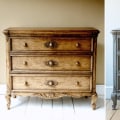
Antique furniture is more than just a decorative element in a home; it is a tangible connection to the past, embodying the craftsmanship and design aesthetics of its time. Generally defined as furniture that is at least 100 years old, antique furniture carries with it a rich history that can enhance its appeal and value. Understanding what constitutes antique furniture is crucial for collectors and enthusiasts alike, as it sets the foundation for appreciating its significance in both historical and monetary terms. The value of antique furniture is influenced by several factors, including its age, condition, rarity, and provenance. Pieces that are well-preserved or possess unique characteristics often command higher prices in the market.
This intrinsic value makes it essential for owners to consider how furniture restoration can impact their investment. While some may fear that restoration could diminish the authenticity of an antique piece, when done correctly, it can actually enhance its longevity and aesthetic appeal without compromising its historical integrity. Moreover, the importance of antique furniture extends beyond mere financial worth; these pieces often tell stories of cultural heritage and craftsmanship that resonate with collectors and historians alike. As we delve deeper into the topic of restoration, it becomes evident that understanding the delicate balance between preserving value and enhancing beauty is key to maintaining the legacy of these remarkable artifacts.
The Basics of Furniture Restoration
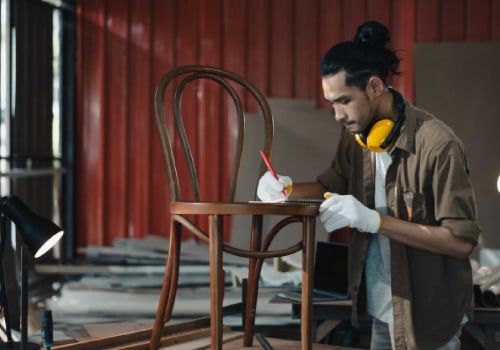
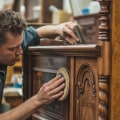
Understanding the furniture restoration process is crucial for anyone considering restoring antique pieces. Restoration can range from simple cleaning and polishing to more complex repairs that may involve structural work.The goal is to preserve the integrity of the furniture while enhancing its aesthetic appeal.There are several types of furniture restoration that one might encounter:
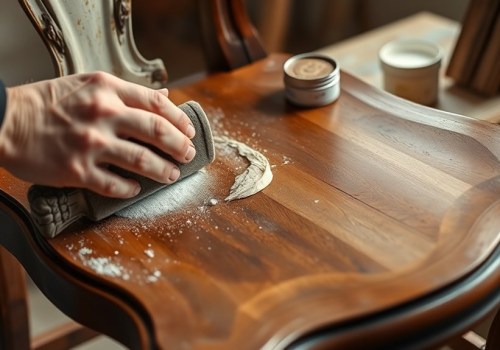
- Cosmetic Restoration: This involves surface-level improvements such as refinishing, cleaning, and polishing. It aims to enhance the appearance without altering the original materials.
- Structural Restoration: This type focuses on repairing or replacing damaged components, such as legs, joints, or hardware, ensuring the piece remains functional and safe to use.
- Conservation: This method emphasizes preserving the original materials and finishes as much as possible. It often involves minimal intervention to maintain historical accuracy.
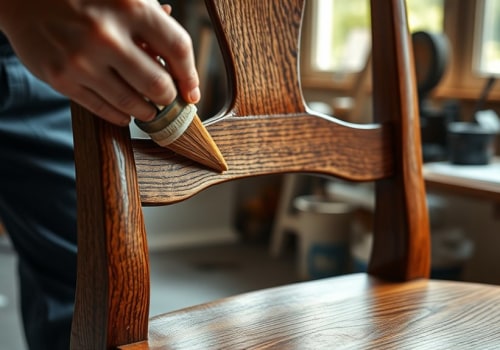
- Sanding and Refinishing: This technique removes old finishes and prepares the wood for a new coat, allowing for a fresh look while retaining the original character.
- Reupholstering: For upholstered furniture, this involves replacing worn-out fabric while keeping the underlying structure intact. Choosing period-appropriate fabrics can enhance value.
- Glue and Joinery Repairs: Strengthening loose joints with appropriate adhesives or traditional joinery techniques helps maintain structural integrity without compromising authenticity.
Understanding these fundamentals will help you make informed decisions about how to approach your antique furniture restoration project while considering its potential impact on value.
Factors Affecting the Value of Antique Furniture
When it comes to antique furniture, several key factors can significantly influence its value. Understanding these elements is essential for anyone considering furniture restoration.- Condition: The physical state of the furniture is perhaps the most critical factor. Items in excellent condition, with minimal wear and tear, typically command higher prices. Restoration can enhance condition, but it must be done carefully to avoid diminishing value.
- Provenance: The history of ownership can add substantial value to antique pieces.
Documentation proving the item's origin, previous owners, and historical significance can make a significant difference in appraisal.
- Market Demand: Trends in the antique market fluctuate, affecting how much collectors are willing to pay. Certain styles or periods may be more desirable at different times, impacting overall value.
- Authenticity: Ensuring that the piece is genuine and not a reproduction is vital. Appraisers often look for specific characteristics that confirm authenticity, which can greatly influence value.
- Restoration Quality: If restoration is undertaken, the quality of the work matters immensely. Poorly executed repairs can lead to a decrease in value, while professional restoration that respects the original craftsmanship can enhance it.
A well-informed approach can help maintain or even increase the value of antique furniture while preserving its historical integrity.
Can Restoration Decrease the Value of Antique Furniture?
When considering furniture restoration, one of the most pressing concerns for antique owners is whether the process might inadvertently decrease the value of their cherished pieces. While restoration can enhance the aesthetic appeal and functionality of furniture, it carries inherent risks that can lead to a decline in value if not approached with caution.Does Restoration Decrease Value?
In many cases, restoration can indeed decrease the value of antique furniture, particularly if it is not executed properly. Collectors and appraisers often prefer pieces that retain their original materials and finishes. When significant alterations are made, such as replacing original hardware or using modern finishes, the authenticity of the piece may be compromised.
Risks of Furniture Restoration
- Improper Techniques: Using inappropriate methods or materials can lead to irreversible damage.
For instance, sanding down a surface to remove scratches may strip away valuable patina.
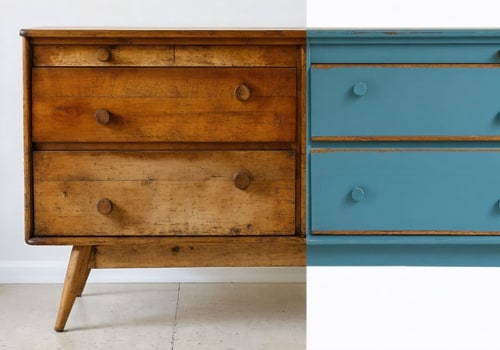
- Loss of Originality: Any changes that deviate from the original design can significantly impact value. This includes repainting or reupholstering with non-period fabrics.
- Over-Restoration: Sometimes, in an effort to make a piece look new again, restorers may go too far, erasing signs of age that contribute to its character and historical significance.
Negative Impacts of Restoration
The negative impacts of restoration extend beyond just financial loss. They can also affect the emotional connection owners have with their antiques. A piece that has been altered beyond recognition may no longer evoke the same feelings or memories associated with its original state.Before embarking on any furniture restoration, it is crucial for owners to conduct thorough research and consult with professionals who specialize in antique care.
Understanding the potential risks and making informed decisions can help preserve both the beauty and value of these treasured items.
Best Practices for Restoring Antique Furniture Without Losing Value
Restoring antique furniture can be a rewarding endeavor, but it requires careful consideration to ensure that the value of the piece is preserved. Here are some best practices to follow during the furniture restoration process:- Research the Piece: Before starting any restoration work, conduct thorough research on the specific piece of furniture. Understanding its history, materials, and original finishes can guide your restoration efforts and help maintain its authenticity.
- Avoid Over-Restoration: One of the biggest mistakes in furniture restoration is over-restoring. This includes stripping away original finishes or replacing parts that could be repaired.
Aim to clean and restore rather than completely overhaul.
- Use Appropriate Materials: When making repairs, use materials that are consistent with the original construction. For example, if the furniture was originally made with certain types of wood or finishes, try to source similar materials to maintain its integrity.
- Document the Process: Keep a detailed record of all restoration work done, including photographs and descriptions of materials used. This documentation can enhance the piece's provenance and value.
- Consult Professionals: If you are unsure about any aspect of the restoration process, consider consulting a professional restorer. They can provide valuable insights and techniques that can help preserve the piece's value.
- DIY vs.
Professional Help:
While DIY restoration can be fulfilling, it’s essential to recognize when a project exceeds your skill level. Complex repairs or valuable pieces may warrant professional intervention to avoid unintentional damage.
Case Studies: Successful Restorations That Maintained Value
When it comes to furniture restoration, the success stories often serve as a beacon of hope for antique enthusiasts. Here are a few notable case studies that illustrate how careful restoration can not only preserve but also enhance the value of antique pieces.1.The Queen Anne Chair
A Queen Anne chair from the early 18th century was found in a dilapidated state, with its original upholstery torn and woodwork damaged.The owner opted for a professional restoration that focused on maintaining the chair's original structure while replacing the upholstery with period-appropriate fabric. The result was a stunning piece that sold at auction for double its pre-restoration estimate, proving that thoughtful restoration can significantly increase value.
2.The Victorian Sideboard
A Victorian sideboard, once relegated to a garage due to its poor condition, underwent a meticulous restoration process. The restorer carefully stripped away layers of old paint, revealing the beautiful mahogany grain underneath. By using traditional techniques and finishes, the sideboard was brought back to its former glory.This piece not only retained its value but also became a centerpiece at an estate sale, fetching a price well above market expectations.
3.The Art Deco Coffee Table
An Art Deco coffee table, characterized by its unique geometric design, had suffered water damage over the years. The restoration involved replacing damaged sections with matching materials and refinishing the entire surface to restore its luster. After restoration, the table was appraised at a value significantly higher than before, demonstrating how specialized knowledge in furniture restoration can lead to impressive financial returns.These case studies highlight that successful restorations are not merely about fixing what is broken; they are about enhancing the inherent beauty and historical significance of each piece. By choosing skilled artisans and adhering to best practices in furniture restoration, antique owners can ensure their investments not only maintain but potentially increase in value over time.Frequently Asked Questions About Furniture Restoration and Value
When it comes to furniture restoration, many enthusiasts and collectors have questions about how the process affects the value of their antique pieces.Here are some frequently asked questions that can help clarify these concerns:
- What is the difference between restoring and refinishing antiques?
Restoring an antique typically involves repairing and preserving its original features, while refinishing focuses on altering the surface, often by sanding and applying new finishes. Restoration aims to maintain the integrity of the piece, whereas refinishing may detract from its historical value. - Can I restore my antique furniture without losing its value?
Yes, but it depends on how the restoration is carried out. Using appropriate techniques and materials that match the original craftsmanship can help preserve value. It's crucial to consult with a professional who specializes in furniture restoration to ensure that the work enhances rather than diminishes the piece's worth. - What are common mistakes to avoid during restoration?
Some common mistakes include using modern finishes that do not match the original, over-sanding surfaces, or making repairs that are too visible.Always aim for a subtle approach that respects the antique's character.
- How can I determine if my antique is worth restoring?
Consider factors such as the piece's rarity, condition, and historical significance. Consulting with an appraiser or a restoration expert can provide valuable insights into whether restoration will be beneficial for its value.
Conclusion: Balancing Restoration with Value Preservation
In conclusion, the question of whether antique furniture can be restored without losing its value is complex and multifaceted. Throughout this article, we have explored the delicate balance between furniture restoration and value preservation, emphasizing that careful and informed practices are essential.Restoration can breathe new life into antique pieces, making them functional and aesthetically pleasing once again.However, it is crucial to approach the process with a deep understanding of the piece's history and intrinsic value. Here are some key takeaways:
- Research is Essential: Before undertaking any restoration, thorough research on the specific piece is vital. Understanding its provenance, materials, and original craftsmanship can guide restoration efforts.
- Professional Help: Engaging with experienced restorers who specialize in antiques can ensure that the work done is respectful of the piece's integrity. They can provide insights into techniques that preserve rather than diminish value.
- Minimal Intervention: Often, less is more when it comes to restoration.
Preserving original finishes and avoiding drastic alterations can help maintain the antique's character and market value.
- Documentation: Keeping detailed records of any restoration work done, including photographs and descriptions of materials used, can enhance the piece's provenance and appeal to future buyers.