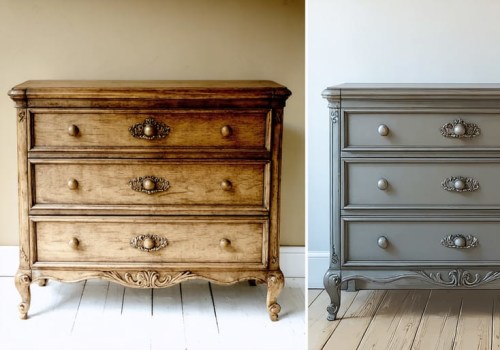
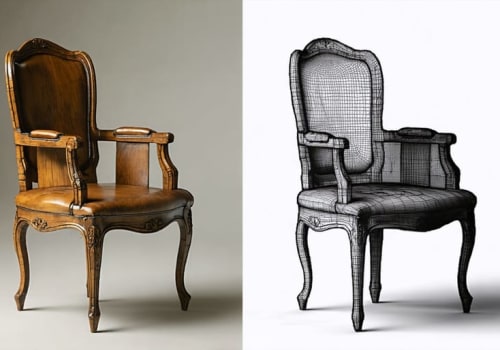
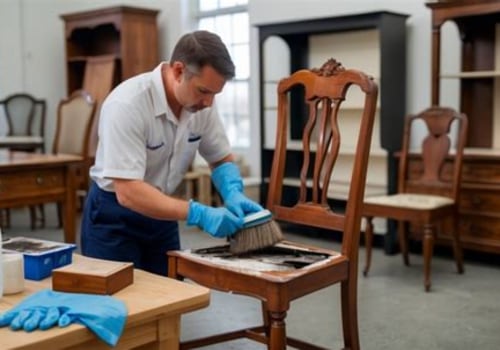
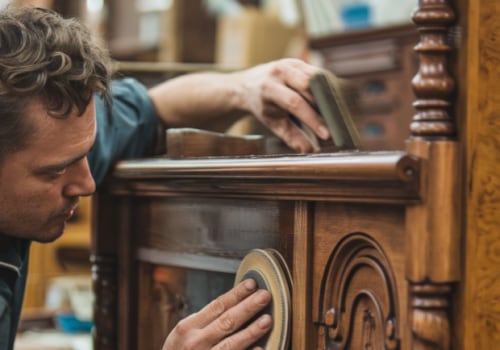
Furniture restoration is a meticulous process that involves repairing, refinishing, and revitalizing old or damaged furniture to bring it back to its former glory. This practice not only preserves the aesthetic appeal of cherished pieces but also maintains their historical significance. Understanding furniture restoration is essential for anyone interested in enhancing their home decor while embracing sustainability. By learning about various techniques and methods, you can transform worn-out items into stunning focal points in your living space. The importance of furniture restoration extends beyond mere aesthetics.
It plays a crucial role in reducing waste and promoting environmental sustainability. Instead of discarding old furniture, restoring it allows you to breathe new life into these items, minimizing the demand for new resources. Additionally, many older pieces are crafted from high-quality materials that are often superior to modern alternatives, making restoration a wise investment. Moreover, the benefits of restoring furniture are manifold. Not only does it save money compared to purchasing new items, but it also provides a unique opportunity to personalize your space.
Each restored piece tells a story and adds character to your home. Engaging in this creative process can be incredibly rewarding, allowing you to develop new skills while connecting with the history of your furniture. As you delve deeper into the world of furniture restoration, you'll discover a fulfilling hobby that combines artistry with practicality.
Essential Tools and Materials for Furniture Restoration
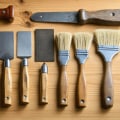
When embarking on a furniture restoration project, having the right tools and materials is crucial for achieving professional results. Below is a comprehensive list of essential items that every DIY enthusiast should consider.Essential Tools for Furniture Restoration
- Screwdrivers: A set of both flathead and Phillips screwdrivers is necessary for disassembling furniture.
- Sandpaper: Various grits of sandpaper (from coarse to fine) are essential for smoothing surfaces and preparing them for finishing.
- Paint Stripper: This chemical solution helps remove old paint or varnish, making it easier to restore the original wood finish.
- Clamps: These are vital for holding pieces together while glue dries or when making repairs.
- Wood Glue: A strong adhesive specifically designed for wood is essential for reassembling furniture parts.
- Pliers: Useful for gripping and twisting, pliers can help with removing nails or staples.
Materials Needed for Furniture Restoration
- Wood Filler: This material is used to fill in cracks, holes, or imperfections in the wood before finishing.
- Stains and Finishes: Choose high-quality stains and finishes to enhance the natural beauty of the wood and protect it from damage.
- Upholstery Fabric: If your project involves reupholstering, select durable fabric that complements your design vision.
Remember, investing in quality tools not only makes the job easier but also ensures a more polished final product.
Basic Furniture Restoration Techniques
When embarking on the journey of furniture restoration, understanding the basic techniques is crucial for beginners. Here are some fundamental methods that can help you restore your furniture effectively:- Cleaning: Start by thoroughly cleaning the piece. Use a soft cloth and a gentle cleaner to remove dirt and grime. For wooden furniture, a mixture of vinegar and water can work wonders.
- Stripping: If the furniture has old paint or varnish, consider using a chemical stripper or sanding it down.
Always follow safety precautions and work in a well-ventilated area.
- Repairing: Look for any damages such as scratches, dents, or loose joints. Fill in scratches with wood filler and use clamps to secure loose joints until the glue dries.
- Refinishing: Once the surface is clean and repaired, you can refinish it. Apply a stain or paint of your choice, followed by a protective finish like polyurethane to enhance durability.
- Upholstery: For upholstered furniture, consider reupholstering if the fabric is worn out. Remove the old fabric carefully, replace any padding if necessary, and attach new fabric securely.
As you gain experience, you can explore more advanced techniques such as distressing or antiquing to give your pieces a unique character.Remember, patience is key in beginner furniture restoration methods. Take your time with each step to ensure quality results that will make your restored furniture not only functional but also beautiful.
Advanced Furniture Restoration Methods
For those looking to elevate their skills in furniture restoration, understanding advanced techniques is essential. These methods not only enhance the aesthetic appeal of furniture but also ensure its longevity and structural integrity.Professional Furniture Restoration Techniques
Professional restorers often employ a variety of specialized techniques that require both skill and knowledge. Here are some key methods:- Stripping and Refinishing: This involves removing old finishes using chemical strippers or heat guns, followed by sanding and applying new finishes.
Mastering this technique can dramatically improve the appearance of worn-out pieces.
- Veneering: For furniture with damaged surfaces, applying a new veneer can restore its original beauty. This intricate process requires precision and an understanding of wood types.
- Upholstery Restoration: Reupholstering furniture not only updates its look but also enhances comfort. Learning to work with various fabrics and padding materials is crucial for achieving professional results.
Intricate Restoration Processes
Some restoration projects may involve more complex processes, such as:- Caning and Rushing: These traditional techniques are used for seating surfaces. Mastering caning requires patience and practice, while rushing involves weaving natural fibers into a seat.
- Structural Repairs: Understanding how to reinforce joints, replace broken parts, or even reconstruct sections of furniture is vital for ensuring durability.
- Color Matching: Achieving the right color for touch-ups or refinishing can be challenging.
Advanced restorers often use color theory to mix stains and finishes that blend seamlessly with existing wood.
Common Challenges in Furniture Restoration and How to Overcome Them
Restoring furniture can be a rewarding endeavor, but it often comes with its own set of challenges. Understanding these common issues and knowing how to tackle them can make the restoration process smoother and more enjoyable.Identifying Structural Issues
One of the most significant challenges in furniture restoration is identifying structural problems, such as loose joints or damaged frames. These issues can compromise the integrity of the piece.To overcome this, always inspect your furniture thoroughly before starting the restoration. Use wood glue for minor repairs and clamps to hold pieces together while the glue dries. For more severe damage, consider using dowels or brackets for added support.
Dealing with Old Finishes
Another common hurdle is removing old finishes without damaging the underlying wood. Stripping agents can be harsh and may lead to discoloration.Instead, opt for a gentle approach by using a heat gun or a citrus-based stripper. Always test a small area first to ensure you achieve the desired results without harming the wood.
Avoiding Common Mistakes
Many beginners make mistakes that can hinder their restoration efforts. Here are some common pitfalls to avoid:- Rushing the Process: Take your time to ensure each step is done correctly.
- Neglecting Safety: Always wear gloves and a mask when working with chemicals or sanding.
- Skipping Preparation: Properly clean and prepare surfaces before applying new finishes.
Resources for Learning More About Furniture Restoration
To deepen your understanding of furniture restoration, a variety of resources are available that cater to different learning styles and preferences.Here are some valuable options:
- Furniture Restoration Courses: Many community colleges and craft schools offer hands-on courses in furniture restoration. These classes often cover essential techniques such as stripping, sanding, and refinishing. Websites like Craftsy and Udemy also provide online courses that can be accessed from the comfort of your home.
- Books on Furniture Restoration: A wealth of literature exists for those looking to learn more about furniture restoration. Some highly recommended titles include:
- The Furniture Restoration Manual by John Bullar - This comprehensive guide covers various techniques and materials.
- Restoring Antique Furniture by John McDonald - A great resource for understanding the history and methods of antique restoration.
- Furniture Repair & Restoration by John H.
McGowan - This book provides practical advice on repairing common issues.
- Online Resources: The internet is a treasure trove of information on furniture restoration. Websites like Wood Magazine and Instructables offer tutorials, tips, and forums where you can ask questions and share experiences with fellow enthusiasts. Additionally, YouTube channels dedicated to woodworking often feature detailed restoration projects that can provide visual guidance.
Frequently Asked Questions About Furniture Restoration
When diving into the world of furniture restoration, many beginners have questions that can help guide their journey. Here are some of the most frequently asked questions:- What is furniture restoration? Furniture restoration involves repairing, refinishing, or refurbishing old or damaged furniture to bring it back to its original condition or to enhance its aesthetic appeal.
This can include tasks like sanding, staining, and reupholstering.
- Is furniture restoration difficult for beginners? While some techniques may require practice and skill, many aspects of furniture restoration can be learned by beginners. Starting with small projects can build confidence and expertise over time.
- What tools do I need to start restoring furniture? A basic toolkit for furniture restoration might include:
- Screwdrivers
- Saws
- Sanding blocks or power sanders
- Paintbrushes and rollers
- Wood glue
- Clamps
- Where can I find tutorials on furniture restoration? There are numerous resources available online, including video tutorials on platforms like YouTube, blogs dedicated to DIY projects, and online courses that focus on specific restoration techniques.
- What are some common mistakes to avoid in furniture restoration? Beginners should be cautious of:
- Rushing the process—take your time to ensure quality work.
- Using the wrong type of finish for the wood—always test on a small area first.
- Neglecting safety precautions—wear gloves and masks when working with chemicals.
Conclusion: Embracing the Art of Furniture Restoration
In conclusion, furniture restoration is not just a hobby; it is an art form that allows individuals to breathe new life into old pieces, preserving their history while enhancing their beauty. Throughout this article, we have explored various techniques and methods that can help you embark on your own restoration journey. Whether you are drawn to the intricate process of refinishing, the creativity of upholstery, or the precision of repairing structural damage, each aspect of furniture restoration offers unique challenges and rewards.By understanding the fundamentals and investing time in learning, you can transform neglected items into cherished treasures. As you consider diving deeper into this fulfilling craft, remember to:
- Research: Utilize online resources, books, and tutorials to expand your knowledge.
- Practice: Start with small projects to build your skills and confidence.
- Connect: Join local workshops or online communities where you can share experiences and gain insights from fellow enthusiasts.