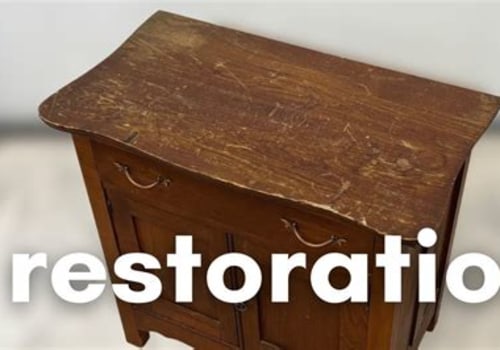
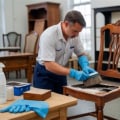
Furniture restoration is a meticulous process that involves repairing, refinishing, and revitalizing furniture pieces to restore their original beauty and functionality. This practice not only enhances the aesthetic appeal of furniture but also extends its lifespan, making it a sustainable choice in an age where consumerism often leads to the disposal of items that could be preserved. Understanding what furniture restoration entails is crucial for anyone looking to maintain the integrity of their cherished pieces. The importance of furniture restoration cannot be overstated. As furniture ages, it may suffer from wear and tear, including scratches, dents, and fading finishes.
Restoration techniques can address these issues, allowing furniture to regain its former glory. Moreover, restoring furniture can significantly increase its value, especially for antique or heirloom pieces that hold sentimental significance. By investing in restoration, owners not only preserve the history and craftsmanship of their furniture but also contribute to a more sustainable lifestyle by reducing waste. In essence, furniture restoration is about more than just aesthetics; it is a commitment to preserving quality craftsmanship and reducing environmental impact. As we delve deeper into this topic, we will explore various methods of restoration, the benefits it offers, and how it can transform not just furniture but also the spaces they inhabit.
Historical Significance of Furniture Restoration
Furniture restoration plays a crucial role in preserving our historical heritage and cultural identity.Each piece of furniture carries with it a story, reflecting the craftsmanship, materials, and design aesthetics of its time. By restoring these items, we not only maintain their physical integrity but also ensure that the narratives they embody are not lost to time.
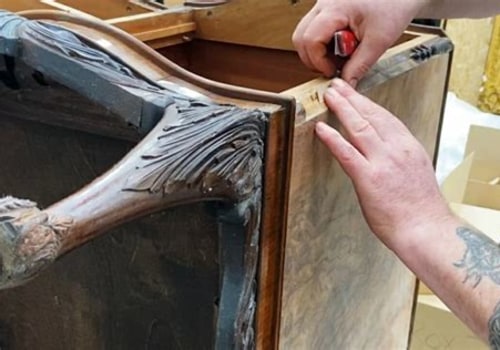
Antique furniture restoration
is particularly significant as it allows us to connect with our past. Many antique pieces are crafted using techniques and materials that are no longer in common use, making them invaluable artifacts. Through careful restoration, we can revive these pieces, allowing future generations to appreciate the artistry and history they represent.Moreover, preserving heritage through restoration fosters a sense of community and continuity.Restored furniture often finds its way into homes, museums, and public spaces, serving as a tangible link to our collective history. This connection can inspire pride in local craftsmanship and encourage the appreciation of traditional skills that might otherwise fade away.
- Historical Value: Restored furniture serves as a physical reminder of past lifestyles, social norms, and artistic movements.
- Cultural Preservation: By maintaining these pieces, we safeguard the cultural narratives that define our communities.
- Educational Opportunities: Restored items can be used in educational settings to teach about history, art, and craftsmanship.
Environmental Benefits of Furniture Restoration
In an era where environmental consciousness is paramount, furniture restoration emerges as a vital practice that aligns with sustainable living. By choosing to restore rather than replace, individuals can significantly reduce their ecological footprint.Eco-friendly furniture restoration
not only conserves resources but also minimizes waste.The production of new furniture often involves the extraction of raw materials, which can lead to deforestation and habitat destruction. In contrast, restoring existing pieces utilizes fewer resources and reduces the demand for new materials.Moreover, the process of manufacturing new furniture typically generates substantial waste and pollution. By opting for restoration, consumers can help mitigate these environmental impacts. Here are some key benefits:
- Sustainability in furniture: Restoring furniture promotes a circular economy where items are reused and repurposed, extending their lifecycle and reducing the need for new products.
- Reducing waste through restoration: Every piece of furniture that is restored is one less item in a landfill.
This not only conserves space but also decreases the environmental hazards associated with waste disposal.
- Lower carbon footprint: The energy required to restore furniture is often significantly less than that needed to produce new items, leading to lower greenhouse gas emissions.
Economic Advantages of Restoring Furniture
Restoring furniture offers significant economic advantages that can make it a more appealing option than purchasing new items. One of the primary benefits is the cost-effectiveness of restoration. Instead of spending a substantial amount on brand-new furniture, which can often come with a hefty price tag, restoring existing pieces can save homeowners a considerable sum.For instance, refinishing a wooden table or reupholstering a chair typically costs much less than buying a comparable new item.Moreover, value retention is another critical aspect of furniture restoration. High-quality furniture, especially antiques or well-crafted pieces, can appreciate in value when properly restored. By investing in restoration, owners not only preserve the aesthetic and functional qualities of their furniture but also enhance its market value. This is particularly true for vintage items that are sought after by collectors and enthusiasts.Additionally, restoring furniture contributes to sustainability and reduces waste.
By choosing to restore rather than discard, individuals play a part in minimizing environmental impact. This choice not only reflects personal values but can also lead to long-term savings as restored items often last longer than cheaper new alternatives.In summary, the economic benefits of furniture restoration are multifaceted. From significant cost savings to improved value retention and environmental sustainability, restoring furniture is not just a practical choice but also an investment in quality and longevity.
Emotional and Aesthetic Value of Restored Furniture
Furniture is often more than just a functional item in our homes; it carries emotional connections that can span generations. Many people inherit pieces from family members, each with its own story and significance.These items serve as tangible reminders of cherished memories, making their restoration not just a matter of aesthetics but also a way to preserve family history.When we engage in furniture restoration, we breathe new life into these beloved pieces, enhancing their aesthetic appeal while maintaining their original character. A beautifully restored chair or table can transform a room, adding warmth and personality that mass-produced furniture often lacks. The unique imperfections and craftsmanship of restored items tell a story that resonates with those who appreciate the artistry involved.Moreover, the process of restoring furniture can be deeply personal. Many individuals find joy in the hands-on work of sanding, painting, or reupholstering.
This creative endeavor allows them to express their style and preferences, making the piece truly their own. As they invest time and effort into the restoration, they forge a deeper connection with the furniture, turning it into a centerpiece of their home.
- Emotional Connection: Restored furniture often evokes memories and feelings tied to family history.
- Aesthetic Appeal: A well-restored piece enhances the beauty of a space, offering uniqueness.
- Personal Stories: Each restoration project can reflect personal style and creativity.
Common Techniques Used in Furniture Restoration
When it comes to furniture restoration, various techniques can be employed to breathe new life into old pieces. Understanding these methods can help you decide whether to tackle the project yourself or hire a professional.Common Techniques for Furniture Restoration
- Stripping and Sanding: This method involves removing old paint or varnish to reveal the original wood.
Stripping can be done using chemical strippers or heat guns, followed by sanding to smooth the surface.
- Reupholstering: For upholstered furniture, reupholstering is a popular technique. This involves replacing the fabric and padding, allowing for a fresh look and improved comfort.
- Repairing Joints: Over time, furniture joints can become loose. Techniques such as gluing, doweling, or using corner braces can restore stability and extend the life of the piece.
- Refinishing: Refinishing involves applying a new coat of stain or finish to enhance the wood's natural beauty. This can also protect the surface from future damage.
- Painting: A quick way to update furniture is by painting it.
This method allows for creative expression and can transform an outdated piece into a modern statement.
DIY vs Professional Restoration
Deciding between DIY restoration and hiring a professional depends on several factors:- Skill Level: If you have experience with tools and materials, DIY might be a rewarding option. However, complex repairs may require professional expertise.
- Time Commitment: Restoring furniture can be time-consuming. If you're short on time, hiring a professional may be more efficient.
- Cost Considerations: DIY projects can save money, but consider the cost of materials and tools. Professional services may have higher upfront costs but can ensure quality results.
Frequently Asked Questions about Furniture Restoration
When considering furniture restoration, many people have questions about the process, duration, and feasibility.Here are some common inquiries:
How long does furniture restoration take?
The time required for furniture restoration can vary significantly based on several factors, including the type of furniture, the extent of damage, and the techniques used. On average, simple restorations may take a few days to a week, while more complex projects can extend to several weeks or even months. For instance, refinishing a wooden table might take less time than reupholstering an antique chair that requires intricate detailing.Is it worth restoring old furniture?
Restoring old furniture can be a worthwhile investment for several reasons:- Sentimental Value: Many pieces hold personal significance and memories that make them irreplaceable.
- Quality Craftsmanship: Older furniture often features superior craftsmanship and materials compared to mass-produced modern items.
- Cost-Effectiveness: Restoring a piece can be more economical than purchasing new high-quality furniture.
- Sustainability: By choosing to restore rather than discard, you contribute to environmental sustainability by reducing waste.
Can all furniture be restored?
While many pieces of furniture can be successfully restored, not all are suitable for the process. Factors that influence restorability include:- Material Condition: If the material is severely damaged or deteriorated beyond repair, restoration may not be feasible.
- Structural Integrity: Furniture with significant structural issues may require extensive repairs that could outweigh the benefits of restoration.
- Historical Value: Some antiques should be preserved in their original state to maintain their historical integrity.
Conclusion: The Lasting Impact of Furniture Restoration
In conclusion, furniture restoration is not merely a trend; it is a vital practice that intertwines with our history, environment, economy, and personal values.By breathing new life into old pieces, we preserve the stories and craftsmanship of the past, ensuring that future generations can appreciate the artistry and heritage embedded in each item.From an environmental perspective, furniture restoration significantly reduces waste. By choosing to restore rather than discard, we contribute to a more sustainable future. This practice minimizes the demand for new materials, which in turn lessens the strain on our natural resources and reduces carbon footprints associated with manufacturing.Economically, furniture restoration can be a wise investment. Restored furniture often retains or even increases its value over time, making it a smart choice for homeowners and collectors alike.
Additionally, supporting local artisans and restoration businesses fosters community growth and sustains traditional skills that might otherwise be lost.On a personal level, furniture restoration allows individuals to create spaces that reflect their unique tastes and histories. Each restored piece carries with it a sense of nostalgia and character that mass-produced items simply cannot replicate. This emotional connection enhances our living environments, making them more meaningful.Ultimately, the importance of furniture restoration extends far beyond aesthetics. It is a multifaceted practice that honors our past while promoting sustainability and economic resilience.
As we continue to embrace this art form, we not only enrich our lives but also contribute positively to our planet and society.