Furniture restoration is a meticulous process that breathes new life into old or damaged pieces, transforming them from forgotten relics into cherished items once again. This art form not only preserves the aesthetic and historical value of furniture but also enhances its functionality. Understanding furniture restoration is essential for anyone looking to engage in this rewarding endeavor, as it encompasses various techniques and approaches tailored to the specific needs of each piece. The benefits of furniture restoration extend beyond mere aesthetics. Restoring furniture can significantly reduce waste, making it an environmentally friendly choice compared to purchasing new items.
Additionally, it allows individuals to maintain a connection to their heritage, as many pieces carry sentimental value or unique stories. By investing time and effort into restoration, one can create a personalized space that reflects their style while honoring the craftsmanship of the past. As we delve deeper into the world of furniture restoration, it becomes crucial to recognize the importance of safety precautions during the process. Understanding the intricacies of restoration not only enhances the outcome but also ensures a safe and enjoyable experience. Whether you are a seasoned restorer or a novice eager to learn, grasping the fundamentals will set the stage for successful projects ahead.
Common Hazards in Furniture Restoration
When engaging in furniture restoration, it is essential to be aware of the various hazards that can arise during the process.Understanding these risks not only helps in ensuring personal safety but also contributes to a successful restoration project. One of the primary hazards in furniture restoration is exposure to chemicals. Many products used for stripping paint, staining, or finishing furniture contain harmful substances that can pose health risks if inhaled or absorbed through the skin. Always work in a well-ventilated area and consider using personal protective equipment (PPE) such as gloves and masks to minimize exposure. Another significant risk involves the use of sharp tools. Tools like chisels, saws, and sanders can cause serious injuries if not handled properly.
It is crucial to maintain focus while working and to use tools according to their intended purpose. Additionally, keeping tools sharp can reduce the amount of force needed, thereby lowering the risk of accidents. Heavy lifting is also a common hazard in furniture restoration. Moving large pieces of furniture can lead to strains or sprains if proper lifting techniques are not employed. Always lift with your legs rather than your back, and consider asking for assistance when handling particularly heavy items. Lastly, be mindful of dust and debris generated during the restoration process.
Sanding wood or stripping paint can create fine particles that may irritate the respiratory system. Using a dust mask and ensuring that your workspace is clean can help mitigate these risks. By recognizing these hazards and taking appropriate safety precautions, you can enjoy a safer and more effective furniture restoration experience.
Essential Safety Gear for Restoring Furniture
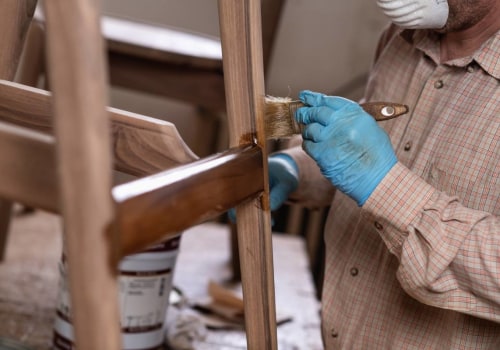
When embarking on a furniture restoration project, ensuring your safety should be a top priority. The process often involves the use of various tools and materials that can pose risks if proper precautions are not taken. Here’s a breakdown of essential safety gear that every furniture restorer should consider:- Gloves: Wearing durable gloves is crucial to protect your hands from sharp tools, splinters, and harmful chemicals.
Opt for nitrile or leather gloves that provide both dexterity and protection.
- Respirators or Masks: Many restoration processes involve sanding, painting, or using adhesives that can release harmful dust and fumes. A good-quality respirator or mask will help filter out these particles, ensuring you breathe safely while working.
- Safety Goggles: Protecting your eyes is essential, especially when using power tools or chemicals. Safety goggles will shield your eyes from flying debris and splashes, allowing you to focus on the task at hand without worry.
- Aprons: A sturdy apron not only keeps your clothes clean but also provides an extra layer of protection against spills and sharp objects. Look for aprons with pockets to keep essential tools within reach.
- Ear Protection: If your restoration project involves loud machinery, such as saws or sanders, consider using earplugs or earmuffs to protect your hearing.
This minimizes the risk of accidents and ensures that you can work efficiently. Always read labels on products for any specific safety instructions and follow them closely.By investing in proper safety equipment, you not only protect yourself but also enhance the overall quality of your furniture restoration projects. Remember, safety should never be an afterthought; it’s an integral part of the restoration process.
Safe Handling of Tools and Equipment
When engaging in furniture restoration, the safety of both the restorer and the workspace is paramount. Proper handling of tools and equipment can significantly reduce the risk of accidents and injuries.Here are some essential practices to ensure safe tool usage:
- Wear Personal Protective Equipment (PPE): Always wear appropriate PPE, including safety goggles, gloves, and a dust mask. This protects against flying debris, sharp edges, and harmful dust particles.
- Inspect Tools Before Use: Regularly check your tools for any signs of damage or wear. Ensure that blades are sharp, handles are secure, and electrical cords are intact. Using damaged tools can lead to accidents.
- Use Tools for Their Intended Purpose: Each tool is designed for specific tasks.
Using a tool outside its intended purpose can lead to accidents or damage to the furniture. For example, don’t use a hammer to pry apart joints; instead, use a chisel.
- Maintain a Clean Workspace: A cluttered workspace can lead to trips and falls. Keep your area organized and free from unnecessary items. Store tools in designated places when not in use.
- Follow Manufacturer Instructions: Always read and follow the instructions provided by the manufacturer for any equipment you use.
This includes power tools, which often have specific safety features that should be utilized.
- Practice Proper Lifting Techniques: When moving heavy furniture pieces, use your legs to lift rather than your back. If an item is too heavy or awkward, ask for help or use a dolly.
Chemical Safety in Furniture Restoration
When engaging in furniture restoration, understanding the chemical safety associated with the materials you use is crucial. Many products, such as strippers, stains, and finishes, contain hazardous substances that can pose health risks if not handled properly.Ventilation is Key
Always work in a well-ventilated area.This helps to disperse harmful fumes and reduces the risk of inhalation. If you're working indoors, open windows and doors to create a cross breeze. Using fans can also help circulate air, but ensure they are positioned to blow air out of the workspace.
Personal Protective Equipment (PPE)
Wearing appropriate PPE is essential when handling chemicals. This includes:- Gloves: Use chemical-resistant gloves to protect your skin from direct contact with harmful substances.
- Mask: A respirator or mask rated for organic vapors can prevent inhalation of toxic fumes.
- Goggles: Protect your eyes from splashes and irritants.
Safe Storage Practices
Store chemicals in their original containers with labels intact.Keep them in a cool, dry place away from direct sunlight and out of reach of children and pets. Ensure that lids are tightly sealed to prevent leaks and spills.
Disposal of Hazardous Materials
Proper disposal of chemicals is vital for both safety and environmental protection. Never pour leftover chemicals down the drain or throw them in regular trash. Instead, check with your local waste management facility for guidelines on disposing of hazardous materials safely.By following these safety precautions, you can create a safer environment for yourself while restoring old or damaged furniture.Always prioritize safety to enjoy the rewarding process of furniture restoration.
Working with Old Furniture: Special Considerations
When it comes to furniture restoration, especially with old or vintage pieces, there are several safety precautions that should be taken into account. These precautions are essential not only for the longevity of the furniture but also for the safety of those working on it.Assessing for Lead Paint
One of the most significant hazards associated with restoring old furniture is the potential presence of lead paint. Many pieces manufactured before 1978 may contain lead-based paint, which can pose serious health risks if disturbed. To ensure safety:
- Test for Lead: Use a lead testing kit available at hardware stores to check for lead in the paint.
If lead is detected, it’s crucial to handle the restoration process with care.
- Wear Protective Gear: Always wear a mask and gloves when sanding or stripping paint from old furniture. This will help prevent inhalation of lead dust and skin contact.
- Work in a Well-Ventilated Area: Ensure that your workspace is well-ventilated to minimize exposure to harmful fumes and dust.
Evaluating Structural Integrity
In addition to chemical hazards, old furniture may also have structural issues that need addressing. Before starting any restoration project, inspect the piece thoroughly:
- Check for Stability: Gently shake the furniture to assess its stability. Look for any loose joints or wobbly legs that may need reinforcement.
- Inspect for Damage: Look for signs of wood rot, insect damage, or other deterioration that could compromise the piece's integrity.
- Use Appropriate Tools: When making repairs, use tools that are suitable for the job to avoid causing further damage.
Handling Vintage Furniture Hazards
Beyond lead paint and structural concerns, vintage furniture can also harbor other hazards such as mold or sharp edges.
Here are some additional tips:
- Mold Inspection: Check for any signs of mold growth, especially in damp areas. If mold is present, consider consulting a professional for safe removal.
- Smooth Sharp Edges: Sand down any sharp edges or splinters to prevent injury during handling and use.
Creating a Safe Workspace for Furniture Restoration
Creating a safe workspace is essential for any furniture restoration project. A well-organized area not only enhances productivity but also minimizes the risk of accidents. Here are some key tips to help you set up a safe and efficient workspace:- Choose the Right Location: Select a well-ventilated area with ample natural light.
If working indoors, ensure that the space is free from clutter and distractions.
- Clear the Area: Before starting your project, remove any unnecessary items from your workspace. This includes tools, materials, and furniture that are not related to your current restoration task.
- Organize Tools and Materials: Use toolboxes, shelves, or pegboards to keep your tools organized and easily accessible. Label containers for different materials to avoid confusion during the restoration process.
- Protective Gear: Always wear appropriate safety gear such as gloves, goggles, and masks when handling chemicals or power tools. This will help protect you from potential hazards associated with furniture restoration.
- Work Surface: Use a sturdy workbench or table that can support the weight of your furniture pieces.
Consider using a drop cloth or tarp to protect the surface from spills and scratches.
- Lighting: Ensure your workspace is well-lit to avoid accidents. Use task lighting for detailed work, especially when sanding or applying finishes.
- Emergency Preparedness: Keep a first aid kit nearby and know how to use it. Familiarize yourself with emergency exits and have a fire extinguisher on hand if you’re using flammable materials.
Frequently Asked Questions about Furniture Restoration Safety
When it comes to furniture restoration, safety should always be a top priority.Here are some frequently asked questions that can help guide you through the process safely.
What safety gear should I wear while restoring furniture?
It’s essential to protect yourself while working on restoration projects. Here are some recommended safety gear:- Gloves: Use durable gloves to protect your hands from chemicals and sharp tools.
- Safety goggles: Protect your eyes from dust, splinters, and chemical splashes.
- Dust mask: Wear a mask to avoid inhaling dust and fumes, especially when sanding or using solvents.
- Ear protection: If you’re using power tools, consider earplugs or earmuffs to protect your hearing.
Are there any specific chemicals I should avoid?
Yes, certain chemicals can be harmful if not handled properly. Always check for:- Formaldehyde: Often found in older furniture, it can be hazardous when inhaled.
- Lead paint: If your furniture is old, it may contain lead paint, which is toxic. Test for lead before sanding or stripping.
- Solvents: Use water-based products when possible, as they are generally safer than solvent-based ones.
What are some best practices for beginners?
If you’re new to furniture restoration, consider these safety tips:- Start small: Choose a simple project to build your skills and confidence.
- Read instructions: Always follow the manufacturer’s guidelines for any products you use.
- Create a safe workspace: Ensure your work area is well-ventilated and free of clutter to prevent accidents.
- Ask for help: Don’t hesitate to seek advice from experienced restorers or online communities.
Conclusion: Prioritizing Safety in Furniture Restoration Projects
In conclusion, prioritizing safety during furniture restoration projects is essential for both the success of the project and the well-being of the restorer.By adhering to the safety precautions outlined throughout this article, you can minimize risks and create a safer working environment. First and foremost, always ensure that you are equipped with the right personal protective equipment (PPE). This includes gloves, goggles, and masks to protect against dust, chemicals, and sharp tools. Additionally, working in a well-ventilated area is crucial when using paints or solvents to avoid inhaling harmful fumes. Moreover, it is important to assess the condition of the furniture before starting any restoration work. Look for signs of structural damage, such as loose joints or broken parts, which may require special attention.
If you encounter materials like lead paint or asbestos, it is advisable to consult with professionals who specialize in hazardous material removal. Furthermore, always use tools correctly and maintain them in good condition. A dull blade or a malfunctioning power tool can lead to accidents. Take your time to familiarize yourself with each tool's operation and follow the manufacturer's instructions closely. Lastly, don’t hesitate to seek help when needed. Whether it’s asking for advice from experienced restorers or collaborating with friends on larger projects, teamwork can enhance safety and efficiency. By keeping these safety measures in mind, you can enjoy the rewarding experience of restoring old furniture while ensuring a safe and productive environment.