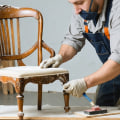
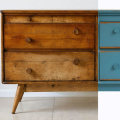
Furniture restoration is a meticulous process that breathes new life into worn or damaged pieces, transforming them into functional and aesthetically pleasing items once again. This practice not only preserves the history and craftsmanship of the furniture but also contributes to sustainable living by reducing waste. Understanding furniture restoration is essential for anyone looking to embark on this rewarding journey, as it encompasses various techniques and approaches tailored to different materials and styles. At its core, furniture restoration involves repairing, refinishing, or reupholstering furniture to restore its original beauty and functionality. This can range from simple tasks like cleaning and polishing to more complex procedures such as structural repairs or complete refinishing.
The importance of mastering the basics cannot be overstated; a solid foundation in restoration techniques ensures that you can tackle projects with confidence and avoid common pitfalls that may arise during the process. As you delve into the world of furniture restoration, it’s crucial to recognize that each piece tells a story. Whether it’s an antique heirloom or a modern find from a thrift store, understanding the history and construction of your furniture will guide your restoration efforts. This knowledge not only enhances your appreciation for the piece but also informs your decisions on how best to restore it without compromising its integrity.
Mistake #1: Skipping Proper Assessment
Before diving into furniture restoration, it is crucial to conduct a thorough assessment of the piece you intend to restore. Skipping this step can lead to unforeseen complications, ultimately resulting in increased costs and potential damage to the furniture.Start by evaluating the overall condition of the furniture.Look for signs of wear and tear, such as:
- Scratches and dents on the surface
- Loose joints or structural instability
- Water damage or stains
- Insect infestations, such as termites or woodworms
- Fading or discoloration of finishes
For example, certain woods may react poorly to moisture, while specific fabrics may require special cleaning methods.Finally, take note of any historical significance or value the piece may hold. If it’s an antique or a family heirloom, you might want to consult with a professional restorer who specializes in preserving such items. This can help ensure that you maintain its integrity while restoring its beauty.In summary, a comprehensive evaluation of your furniture's condition is essential before starting any restoration project. By taking the time to assess properly, you can avoid costly mistakes and achieve a successful outcome that enhances both the functionality and aesthetic appeal of your restored piece.
Mistake #2: Using Incorrect Tools and Materials
When it comes to furniture restoration, the tools and materials you choose can significantly impact the outcome of your project.Using incorrect tools not only makes the process more difficult but can also lead to irreversible damage to your furniture.
Choosing the Right Tools
One of the most common mistakes is opting for tools that are not suited for the specific type of restoration you are undertaking. For instance, using a power sander on delicate wood can strip away layers too aggressively, ruining the finish. Instead, consider using hand tools like scrapers and sandpaper for finer control.- Power Tools: While they can save time, they require skill and should be used with caution.
- Hand Tools: These offer precision and are often better for intricate work.
- Specialty Tools: Invest in tools designed specifically for furniture restoration, such as chisels, clamps, and wood glue applicators.
Selecting Quality Materials
The materials you use in your restoration project are equally important. Low-quality paints, stains, or finishes can lead to peeling, fading, or an uneven appearance.Always opt for high-quality products that are appropriate for the type of wood and finish you are working with.
- Wood Stains: Choose stains that enhance the natural grain rather than cover it up.
- Finishes: Consider using polyurethane or shellac for durability.
- Adhesives: Use wood glue specifically designed for furniture to ensure a strong bond.
Mistake #3: Ignoring Safety Precautions
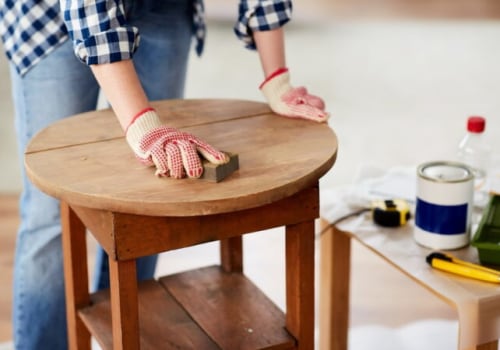
When embarking on furniture restoration, it’s easy to get caught up in the excitement of transforming a piece into something beautiful. However, neglecting safety precautions can lead to serious injuries or health risks. Here are some essential safety tips to keep in mind:- Wear Protective Gear: Always wear appropriate protective gear, including gloves, goggles, and a mask.
This is especially important when working with chemicals such as paint strippers or varnishes that can emit harmful fumes.
- Work in a Well-Ventilated Area: Ensure that your workspace is well-ventilated. Open windows and doors, and consider using fans to circulate air. This helps to dissipate any toxic fumes and reduces the risk of inhalation.
- Handle Tools with Care: Whether you’re using power tools or hand tools, always follow the manufacturer’s instructions. Keep your workspace organized to avoid accidents and ensure that tools are stored safely when not in use.
- Be Aware of Your Surroundings: Clear your workspace of clutter and obstacles.
This not only helps you work more efficiently but also minimizes the risk of tripping or knocking over materials.
- Check for Hazards: Before starting your project, inspect the furniture for any hidden hazards such as sharp edges, loose parts, or mold. Address these issues before proceeding with restoration.
Mistake #4: Rushing the Process
One of the most significant pitfalls in furniture restoration is the tendency to rush through the process. While it may be tempting to see immediate results, hurrying can lead to a host of problems that ultimately compromise the quality of your work.Restoring furniture is not just about applying a fresh coat of paint or stain; it requires careful consideration and attention to detail. Each step, from stripping old finishes to sanding and applying new ones, demands time and patience. Rushing can result in:
- Poor adhesion: If you apply paint or finish too quickly, it may not adhere properly, leading to peeling or chipping down the line.
- Inconsistent finishes: Hurrying through the application of stains or sealants can cause uneven coloring and texture, detracting from the overall appearance.
- Structural issues: Skipping essential steps like thorough cleaning or proper drying times can weaken the furniture's integrity.
- Set realistic timelines: Allocate sufficient time for each phase of the restoration process. This will help you avoid the temptation to rush.
- Take breaks: If you find yourself feeling impatient, step away for a moment.
A fresh perspective can help you appreciate the work that still needs to be done.
- Focus on quality over speed: Remember that a well-restored piece will last longer and look better than one completed in haste.
Mistake #5: Neglecting Research and Planning
When embarking on a furniture restoration project, one of the most critical steps is conducting thorough research and planning. Skipping this phase can lead to a myriad of mistakes that could compromise the integrity of your piece and the success of your project.Understanding Your Furniture
- Identify the Material: Different materials require different restoration techniques.
For instance, wood, metal, and upholstery each have unique properties that dictate how they should be treated.
- Research Historical Context: Knowing the era and style of your furniture can guide you in making appropriate restoration choices that respect its original design.
- Learn About Previous Repairs: If your piece has been restored before, understanding what was done can help you avoid repeating mistakes or damaging the furniture further.
Planning Your Restoration Process
- Create a Timeline: Establishing a realistic timeline helps manage expectations and ensures that you allocate enough time for each stage of the restoration process.
- Budget Wisely: Restoration can be costly. Researching materials and tools beforehand allows you to create a budget that reflects the true costs involved.
- Gather Necessary Tools: Before starting, make sure you have all the tools and materials you need. This prevents interruptions during the project and helps maintain momentum.
Mistake #6: Overlooking Finishing Touches
When it comes to furniture restoration, the finishing touches can make or break the overall appearance and longevity of your piece.Many restorers, especially beginners, tend to overlook these crucial steps, leading to a less-than-satisfactory result.
Importance of Proper Finishing Techniques
Finishing techniques are essential not only for aesthetics but also for protecting the wood from damage. A well-applied finish can enhance the natural beauty of the wood grain while providing a barrier against moisture, dirt, and wear. Common finishing options include:- Varnish: Offers a hard, protective layer that is resistant to scratches and stains.
- Oil: Penetrates the wood, enhancing its color and grain while providing a natural look.
- Wax: Provides a soft sheen and is easy to apply but requires regular maintenance.
- Shellac: A traditional finish that dries quickly and gives a warm tone but may not be as durable as modern options.
Common Oversights in Finishing
One of the most common mistakes is rushing through the finishing process. Skipping steps such as sanding between coats or applying insufficient layers can lead to an uneven finish that detracts from the beauty of your restoration.Here are some specific oversights to avoid:
- Neglecting Surface Preparation: Always ensure that the surface is clean and smooth before applying any finish. Dust, grease, or old residue can ruin the final look.
- Ignoring Drying Times: Each layer of finish needs adequate time to dry before applying the next. Patience is key to achieving a flawless result.
- Forgetting Final Touches: After applying your final coat, consider adding a protective wax or polish for added shine and durability.
Frequently Asked Questions about Furniture Restoration Mistakes
When it comes to furniture restoration, many enthusiasts and DIYers often have questions about the common pitfalls to avoid.Here are some frequently asked questions that can help guide you through the process:
What are the most common mistakes in furniture restoration?
- Skipping proper cleaning: Before starting any restoration project, it's crucial to clean the furniture thoroughly. Neglecting this step can lead to poor adhesion of finishes and paints.
- Using the wrong tools: Using inappropriate tools can damage the furniture. Always select tools that are suitable for the specific materials you are working with.
- Over-sanding: While sanding is essential for a smooth finish, over-sanding can remove too much material and alter the piece's integrity.
- Ignoring structural issues: Focusing solely on aesthetics while ignoring structural repairs can lead to further damage down the line. Always assess the stability of the piece first.
How can I avoid damaging my furniture during restoration?
- Test products: Always test paints, stains, and finishes on a small, inconspicuous area before applying them to the entire piece.
- Follow instructions: Whether it’s a paint or a glue, following the manufacturer’s instructions is key to achieving the best results.
- Work in a well-ventilated area: This not only ensures your safety but also helps in achieving a better finish by allowing products to dry properly.
What should I do if I make a mistake?
If you find yourself making a mistake during your furniture restoration, don’t panic.Here are some steps you can take:
- Assess the damage: Determine how severe the mistake is and what needs to be fixed.
- Research solutions: Look for tutorials or guides that address your specific issue. The online restoration community is vast and helpful.
- Consider professional help: If the mistake is beyond your skill level, don’t hesitate to consult a professional restorer.
Conclusion: Key Takeaways for Successful Furniture Restoration
In conclusion, successful furniture restoration hinges on avoiding common pitfalls that can compromise the integrity and beauty of your pieces. By being mindful of these mistakes, you can ensure a more rewarding and effective restoration process.Key Takeaways
- Research and Planning: Before diving into a project, take the time to research the specific materials and techniques required for your furniture type. Understanding the history and construction of your piece can guide your restoration efforts.
- Proper Tools and Materials: Using the right tools and high-quality materials is essential.
Cheap products may save money initially but can lead to poor results and additional costs down the line.
- Patience is Crucial: Rushing through the restoration process often leads to mistakes. Allow adequate time for each step, from stripping old finishes to applying new ones.
- Test Before Committing: Always test finishes or adhesives on a small, inconspicuous area first. This helps avoid irreversible damage to the entire piece.
- Seek Professional Help When Needed: If a project feels overwhelming or beyond your skill level, don’t hesitate to consult with or hire a professional restorer. Their expertise can save you time and prevent costly errors.