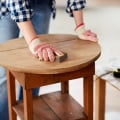
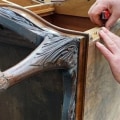
When considering furniture restoration, understanding the associated costs is crucial for homeowners and antique enthusiasts alike. The price of restoring a piece of furniture can vary significantly based on a multitude of factors, making it essential to grasp what influences these costs. Whether you are looking to breathe new life into a cherished heirloom or simply want to enhance the aesthetic of your living space, knowing the elements that affect furniture restoration pricing will help you make informed decisions. One of the primary factors impacting furniture restoration costs is the condition of the item itself. A piece that requires extensive repairs, such as structural fixes or significant refinishing, will naturally incur higher costs than one that only needs minor touch-ups.
Additionally, the type of materials used in the original construction can also play a role; for instance, solid wood pieces may demand more care and expertise compared to those made from composite materials. Another important consideration is the level of craftsmanship involved in the restoration process. Skilled artisans who specialize in furniture restoration often charge premium rates for their expertise and attention to detail. Furthermore, the geographical location can influence pricing as well; services in urban areas may be more expensive due to higher overhead costs. By understanding these factors, you can better navigate the complexities of furniture restoration and budget accordingly for your project.
Type of Furniture
The type of furniture being restored plays a crucial role in determining the overall cost of furniture restoration.Different styles and eras of furniture come with their own unique challenges and requirements, which can significantly influence the restoration process.
Antique Furniture Restoration
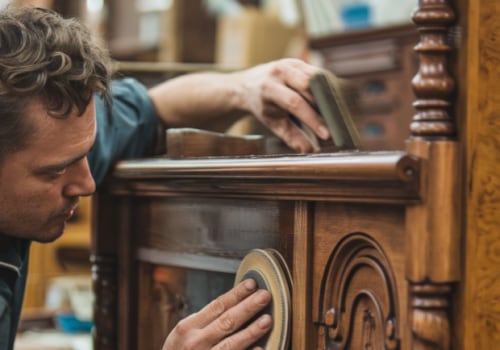
Restoring antique furniture often requires specialized skills and techniques that can drive up costs. These pieces may have intricate designs, rare materials, or historical significance that necessitate careful handling. Additionally, sourcing authentic replacement parts or materials can be challenging and expensive. The restoration process for antiques typically involves:- Stripping and refinishing: Removing old finishes without damaging the underlying wood.
- Repairing joints: Ensuring structural integrity while maintaining authenticity.
- Reupholstering: Using period-appropriate fabrics that can be costly.
Modern Furniture Restoration
In contrast, modern furniture restoration may involve more straightforward techniques, but it can still vary in cost depending on the materials used.Many modern pieces are made from engineered woods or synthetic materials, which can be easier to work with but may require different tools and methods. Common aspects of modern restoration include:
- Sanding and painting: Often less labor-intensive than refinishing antique wood.
- Replacing hardware: Finding contemporary replacements is usually easier and less expensive.
- Updating upholstery: Modern fabrics can be more affordable, but high-end options can still add to costs.
Condition of the Furniture
The condition of the furniture plays a pivotal role in determining the overall cost of furniture restoration. When assessing a piece for restoration, several factors related to its current state must be considered.Severity of Damage:
The extent of damage is one of the primary factors influencing restoration costs.
Minor scratches or dents may require simple refinishing, which is relatively inexpensive. However, if the furniture has significant structural damage, such as broken legs or a warped frame, the restoration process becomes more complex and costly. In such cases, skilled craftsmen may need to replace parts or reinforce the structure, which can significantly increase labor and material costs.
Type of Wear:
Worn furniture often shows signs of age that can affect its value and restoration needs. For instance, upholstery that is frayed or stained may require complete reupholstering, while wood surfaces might need sanding and refinishing.
The choice of materials for these processes can also impact costs; high-quality fabrics or specialty finishes will naturally raise the price.
Historical Value:
If the furniture is an antique or has historical significance, its condition can affect not only restoration costs but also the approach taken. Restorers often aim to preserve as much of the original material as possible, which may involve more meticulous and time-consuming techniques. This preservation effort can lead to higher costs due to the expertise required.
Environmental Factors:
Lastly, environmental conditions such as exposure to moisture or sunlight can exacerbate wear and damage over time. Furniture that has been stored in less-than-ideal conditions may require additional treatments to address issues like mold or fading, further increasing restoration expenses.In summary, understanding how the condition of your furniture impacts restoration costs is essential for making informed decisions.
By evaluating the severity of damage, type of wear, historical value, and environmental factors, you can better anticipate the financial commitment involved in restoring your cherished pieces.
Materials Used in Restoration
The choice of materials used in furniture restoration plays a crucial role in determining the overall cost of the project. Different materials come with varying price points, quality levels, and durability, all of which can significantly impact the final expense.When considering wood for restoration, the type of wood selected can greatly influence costs. For instance, hardwoods like oak, cherry, and walnut are generally more expensive than softwoods such as pine or fir. Additionally, reclaimed wood can add a unique aesthetic but may also come at a premium due to its sourcing and processing.Upholstery Materials
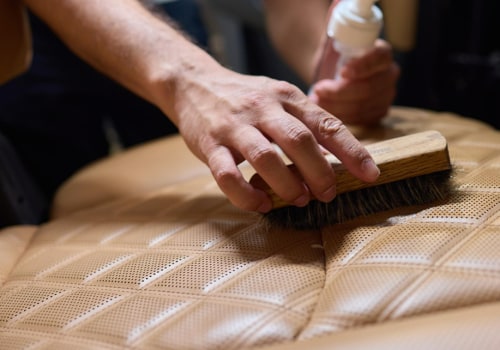
Upholstery is another critical aspect of furniture restoration.The fabric chosen for reupholstering can vary widely in price. High-quality materials such as leather or designer fabrics will increase the cost compared to standard cotton or polyester blends. Furthermore, the complexity of the upholstery work—such as tufting or intricate patterns—can also add to labor costs.
Finishes and Treatments
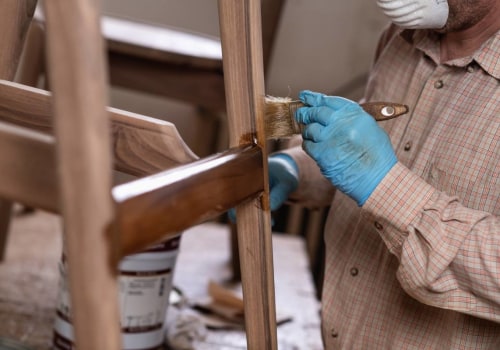
The finishes applied during restoration, such as stains, paints, or sealants, also contribute to the overall cost. High-quality finishes not only enhance the appearance of the furniture but also provide better protection against wear and tear.Investing in premium finishes can lead to a longer-lasting restoration but will require a higher initial investment.In summary, when planning for furniture restoration, it is essential to consider the types of materials used. Opting for high-quality materials may increase upfront costs but can result in a more durable and aesthetically pleasing outcome. Understanding these factors will help you make informed decisions that align with your budget and desired results.
Labor Costs and Expertise
When considering furniture restoration, one of the most significant factors influencing the overall cost is the labor costs associated with the process. The expertise required to restore furniture can vary widely, and this variance directly impacts pricing.Labor Costs in Furniture Restoration
- The hourly rates for skilled labor can range significantly based on location, experience, and the complexity of the restoration project.
- In urban areas, where demand for skilled restorers is higher, you may find that labor costs are elevated compared to rural settings.
- Additionally, specialized techniques or materials may require more experienced craftsmen, further increasing labor expenses.
Expert Furniture Restorers
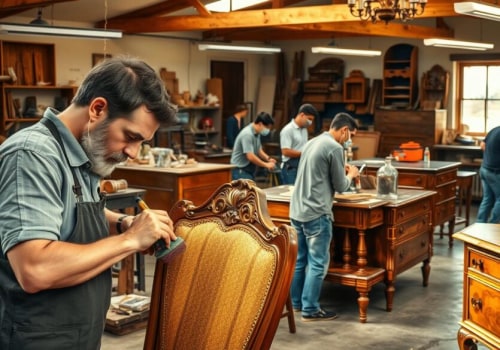
Hiring an expert furniture restorer can ensure a high-quality finish and longevity for your pieces.
These professionals often have years of training and experience, which justifies their higher rates. Their expertise allows them to:
- Identify the best restoration methods for different types of materials.
- Use high-quality materials that may not be available to DIY enthusiasts.
- Avoid common pitfalls that could lead to further damage or decreased value of the furniture.
Skilled Labor Impact on Cost
The impact of skilled labor on the cost of furniture restoration cannot be overstated. While DIY options may seem appealing due to lower upfront costs, they often lack the finesse and quality that a professional can provide. In many cases, attempting a restoration without proper skills can lead to:
- Increased time spent on the project due to mistakes.
- The need for professional intervention later, which can double or triple initial costs.
Geographic Location and Market Demand
The cost of furniture restoration can vary significantly based on geographic location and the prevailing market demand in that area.Understanding these factors is crucial for both consumers and restoration professionals.
Geographic Location
- In urban areas, where the cost of living is generally higher, you may find that furniture restoration costs are elevated. This is often due to increased overhead costs for businesses, including rent and labor.
- Conversely, in rural regions, restoration services might be more affordable. However, the availability of skilled artisans can be limited, which may affect the quality and speed of service.
Market Demand
- The demand for furniture restoration can fluctuate based on trends in home decor and sustainability. For instance, during periods when vintage and antique furniture becomes popular, restoration services may see a surge in demand, leading to higher prices.
- Seasonal factors can also play a role; for example, spring and summer months often see an increase in home improvement projects, which can drive up demand for restoration services.
Regional Pricing Differences
- Different regions may have varying standards for pricing based on local competition.
In areas with many restoration shops, prices may be more competitive compared to regions with fewer options.
- Additionally, local economic conditions can impact pricing. In economically thriving areas, consumers may be willing to pay more for high-quality restoration services.
Additional Services and Customization Options
When considering furniture restoration, the cost can significantly increase based on the additional services and customization options you choose. Many restoration professionals offer a range of tailored solutions that can enhance the aesthetic and functional qualities of your furniture, but these options often come with an added price tag.Custom Finishes
One of the most popular custom furniture restoration services is the application of unique finishes.Whether you prefer a matte, glossy, or distressed look, each finish requires different materials and techniques, which can affect the overall cost. For instance, a high-quality lacquer finish may be more expensive than a standard paint job due to the labor-intensive process involved.
Personalized Restoration Options
Another factor to consider is the level of personalization you desire. Many restoration experts offer options such as:- Custom upholstery: Choosing specific fabrics or leathers can significantly impact costs, especially if you opt for high-end materials.
- Repurposing elements: Incorporating unique hardware or decorative features can add both character and expense to your project.
- Size modifications: Altering the dimensions of a piece to better fit your space may require additional labor and materials.
Discussing your vision with a restoration professional can help you find a balance between desired features and cost-effectiveness.
Frequently Asked Questions about Furniture Restoration Costs
When considering furniture restoration, many potential clients have questions about the costs involved. Here are some frequently asked questions that can help clarify these expenses:- What factors influence the cost of furniture restoration? The cost can vary based on several factors, including the type of furniture, the extent of damage, the materials needed for restoration, and the labor involved. Antique pieces may require specialized techniques, which can increase costs.
- Is it more expensive to restore antique furniture? Generally, yes. Restoring antique furniture often requires skilled artisans who understand historical techniques and materials.
This expertise can lead to higher labor costs.
- How do I get an estimate for restoration? Most restoration professionals will provide an estimate after assessing the piece. It's advisable to consult multiple restorers to compare prices and services.
- Are there any hidden costs in furniture restoration? Yes, additional costs may arise if unexpected damage is discovered during the restoration process. Always ask for a detailed breakdown of potential extra charges before starting the work.
- Can I restore furniture myself to save money? While DIY restoration can save money, it requires knowledge and skill. Improper techniques can lead to further damage, potentially increasing overall costs.
Always communicate openly with your restorer about your expectations and any concerns regarding pricing.
Conclusion: Key Takeaways on Furniture Restoration Costs
In summary, understanding the various factors that influence furniture restoration costs is essential for anyone considering a restoration project. By being aware of these elements, you can make informed decisions that align with your budget and expectations.Key Factors to Consider
- Condition of the Furniture: The extent of damage or wear significantly impacts the cost. Minor repairs are generally less expensive than extensive restorations.
- Type of Material: Different materials require different restoration techniques and products. For instance, solid wood may be easier to restore than upholstered pieces, which often involve more complex processes.
- Labor Costs: The expertise and experience of the restorer can affect pricing.
Skilled artisans may charge more, but their work often results in higher quality outcomes.
- Location: Restoration costs can vary by region due to differences in labor rates and availability of materials.
- Finish and Detailing: The choice of finish—whether it’s paint, stain, or varnish—along with any intricate detailing work will also influence the overall cost.