Water damage and mold growth are two critical issues that can severely compromise the integrity of your furniture. Understanding these phenomena is essential for anyone looking to preserve their belongings. Water damage occurs when excess moisture seeps into materials, leading to warping, discoloration, and structural weakness. This can happen due to various reasons, such as flooding, leaks from plumbing, or even high humidity levels in the environment.
When furniture absorbs water, it not only affects its appearance but also creates a breeding ground for mold. Mold growth is a natural consequence of prolonged exposure to moisture. It thrives in damp conditions and can quickly spread across surfaces, causing unsightly stains and potential health risks. Mold spores can be particularly harmful when inhaled, leading to respiratory issues and allergic reactions. The presence of mold on furniture is not just a cosmetic concern; it signifies deeper problems that need immediate attention. Common causes of water damage include accidental spills, roof leaks, and inadequate ventilation in areas where furniture is stored.
Understanding these causes can help you take preventive measures to protect your furniture from future damage. Timely intervention is crucial; the longer you wait to address water damage or mold growth, the more extensive the damage becomes, making furniture restoration increasingly difficult. By recognizing the signs early on and understanding the underlying issues, you can take proactive steps to restore your furniture and maintain its value.
Assessing the Extent of Damage
When faced with water-damaged or moldy furniture, the first step is to thoroughly assess the extent of the damage. This evaluation will help you determine whether furniture restoration is a viable option.Visual Inspection Begin with a detailed visual inspection of the furniture.Look for signs of water damage such as:
- Discoloration: Check for dark spots or stains that indicate moisture exposure.
- Warping: Examine surfaces for any bending or distortion, particularly in wooden pieces.
- Peeling or Bubbling: Look for areas where the finish is lifting or bubbling, which can signal underlying moisture issues.
- Soft Spots: Areas that feel spongy may indicate rot or severe damage.
- Squeaks or Creaks: Unusual noises when moving parts can suggest weakened joints.
Remember, early detection and intervention are key to successful furniture restoration.
Safety Precautions Before Restoration
Before embarking on the furniture restoration process, especially when dealing with water-damaged or moldy items, it is crucial to prioritize safety. The restoration process can expose you to harmful substances, so taking the right precautions is essential.Protective Gear
- Gloves: Always wear rubber or latex gloves to protect your hands from mold spores and cleaning chemicals.
- Mask: A respirator mask is vital to prevent inhalation of mold spores and dust. Ensure it is rated for mold removal.
- Goggles: Protect your eyes from splashes of cleaning solutions and debris.
- Clothing: Wear long sleeves and pants to minimize skin exposure. Consider using disposable coveralls for added protection.
Proper Ventilation
Good ventilation is key when working with moldy furniture.Ensure that the area is well-ventilated by opening windows and doors. If possible, use fans to circulate air and help dissipate any harmful particles. This not only helps in reducing the concentration of mold spores in the air but also aids in drying out any moisture in the furniture.
Handling Damaged Furniture Safely
When moving or handling water-damaged or moldy furniture, take care to avoid spreading mold spores. Here are some tips:- Limit Movement: Try to keep the furniture in one place as much as possible until you are ready to restore it.
- Avoid Dusting: Do not dust or shake the furniture, as this can release spores into the air.
- Containment: If possible, wrap the furniture in plastic sheeting before moving it to prevent contamination of other areas.
Remember, taking the time to prepare properly can make a significant difference in both your health and the success of your restoration efforts.
Methods for Restoring Water-Damaged Furniture
Restoring water-damaged furniture can be a challenging yet rewarding process. The key to successful restoration lies in acting quickly and employing the right techniques. Here are some effective methods to consider:Drying Techniques
- Remove Excess Water: Start by using towels or a wet/dry vacuum to absorb as much water as possible from the surface of the furniture.
- Air Dry: Place the furniture in a well-ventilated area. Open windows and use fans to promote airflow, which helps speed up the drying process.
- Dehumidifiers: If the humidity is high, using a dehumidifier can help draw moisture out of the air and accelerate drying.
- Heat Sources: Avoid direct heat sources like hair dryers or heaters, as they can cause warping.
Instead, use gentle warmth from a space heater placed at a safe distance.
Cleaning Processes
- Mold Removal: If mold has started to develop, mix equal parts of water and white vinegar in a spray bottle. Lightly mist the affected areas and wipe with a clean cloth.
- Soap Solution: For general cleaning, use a mild soap solution. Apply it with a soft cloth to avoid scratching the surface.
- Rinse and Dry: After cleaning, ensure that you rinse any soap residue with a damp cloth and dry thoroughly to prevent further moisture retention.
Repair Options
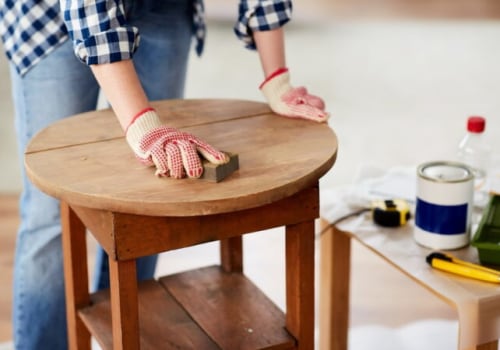
- Sanding and Refinishing: Once the furniture is completely dry, inspect for any damage. Sand down rough areas and apply a suitable finish to restore its original look.
- Glue Joints: If joints have loosened due to water damage, reapply wood glue and clamp them until dry for added stability.
- Cushion Replacement: For upholstered furniture, consider replacing cushions or fabric if they are beyond cleaning.
Remember that patience is key; thorough drying and careful repairs will yield the best results.
Dealing with Moldy Furniture: Removal and Prevention
When it comes to mold removal from furniture, acting quickly is crucial. Mold can spread rapidly, especially in damp environments, so addressing the issue as soon as it’s noticed can save your furniture from irreversible damage. To effectively remove mold, follow these steps:- Safety First: Always wear protective gear, including gloves, a mask, and goggles, to prevent exposure to mold spores.
- Take the Furniture Outside: If possible, move the affected furniture outdoors to prevent mold spores from spreading indoors.
- Brush Off Loose Mold: Use a soft brush to gently remove any loose mold from the surface. Be careful not to damage the finish of the furniture.
- Clean with a Solution: Prepare a cleaning solution using equal parts of water and white vinegar or a mixture of water and mild detergent. Apply it to a cloth and wipe down the affected areas.
- Rinse and Dry: After cleaning, use a damp cloth to remove any residue and then dry the furniture thoroughly.
Ensure that no moisture remains, as this can lead to further mold growth.
- Control Humidity: Keep indoor humidity levels below 50% by using dehumidifiers or air conditioners.
- Adequate Ventilation: Ensure proper airflow in rooms where furniture is stored or used. Open windows and use exhaust fans when necessary.
- Regular Cleaning: Dust and clean your furniture regularly to prevent mold spores from settling. Pay special attention to areas that are prone to moisture.
- Use Mold-Resistant Products: Consider applying mold-resistant coatings or treatments on wooden furniture to provide an extra layer of protection.
When to Seek Professional Help
When it comes to furniture restoration, there are instances where the damage is too extensive for DIY methods, and seeking professional help becomes essential.Understanding when to hire experts can save you time, money, and further damage to your beloved pieces.
Signs of Severe Damage
Recognizing the signs of severe damage is crucial in determining whether to call in professionals. Here are some indicators:- Extensive Mold Growth: If you notice large patches of mold or mildew on your furniture, it’s a sign that the damage is significant. Professionals have the tools and expertise to safely remove mold without risking your health.
- Structural Integrity Issues: If your furniture feels unstable or wobbly, it may have suffered from water damage that has compromised its structure. Experts can assess and repair these issues effectively.
- Persistent Odors: A musty smell that lingers despite cleaning efforts indicates that moisture has penetrated deeply into the material.
This often requires professional-grade solutions to eliminate.
- Severe Staining: If stains from water or mold are extensive and resistant to cleaning, professionals can employ specialized techniques to restore the appearance of your furniture.
The Benefits of Hiring Professionals
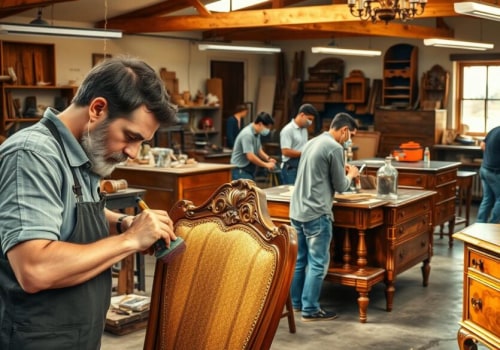
Engaging professional furniture restoration services offers several advantages:- Expertise: Professionals have the training and experience necessary to handle various types of damage effectively.
- Specialized Equipment: They use advanced tools and techniques that are not typically available to the average homeowner.
- Time-Saving: Hiring experts can expedite the restoration process, allowing you to enjoy your furniture sooner.
- Quality Assurance: Professionals often provide guarantees on their work, ensuring that you receive high-quality results.
Cost Considerations for Furniture Restoration
When considering furniture restoration for water-damaged or moldy pieces, understanding the costs involved is crucial. Restoration can vary significantly in price based on several factors.Factors Affecting Restoration Costs
- Extent of Damage: The more severe the damage, the higher the restoration costs. Minor water stains may require simple cleaning, while extensive mold growth could necessitate complete refinishing.
- Type of Furniture: Different materials and styles of furniture come with varying restoration challenges.
For instance, solid wood pieces may be easier to restore than upholstered items, which often require specialized cleaning and treatment.
- Labor Costs: Hiring professionals can significantly increase your budget. Skilled craftsmen may charge more, but their expertise often results in better outcomes.
- Location: Restoration costs can also vary by region. Urban areas typically have higher labor rates compared to rural locations.
Budgeting for Restoration
To effectively budget for furniture restoration, consider the following tips:- Get Multiple Quotes: Always seek estimates from several restoration professionals to compare prices and services offered.
- Assess DIY Options: If you're handy, consider tackling minor repairs yourself. This can save money but be cautious not to worsen the damage.
- Prioritize Repairs: If your budget is tight, focus on restoring the most valuable or sentimental pieces first.
- Factor in Additional Costs: Remember to include potential costs for transportation, materials, and any necessary follow-up treatments in your overall budget.
By doing so, you can ensure that your restoration project is both effective and financially manageable.
FAQs About Furniture Restoration After Water Damage or Mold Exposure
When it comes to furniture restoration after water damage or mold exposure, many homeowners have questions. Here are some of the most frequently asked questions:- Can all types of furniture be restored after water damage?
While many types of furniture can be restored, the success largely depends on the material and extent of the damage. Solid wood furniture often has a better chance of restoration compared to particleboard or MDF, which may swell and lose structural integrity. - How can I tell if my furniture is salvageable?
Inspect for visible signs of damage such as warping, discoloration, or mold growth. If the furniture feels soft or spongy, it may be beyond repair.However, if the damage is superficial, such as surface stains, restoration is likely possible.
- What steps should I take to restore water-damaged furniture?
Start by drying the furniture completely in a well-ventilated area. Use fans or dehumidifiers to speed up the drying process. Once dry, clean the surface with a mixture of water and vinegar to remove any mold spores. Finally, sand and refinish the wood if necessary. - Is it safe to use moldy furniture?
Using moldy furniture can pose health risks, especially for individuals with allergies or respiratory issues.It’s crucial to address mold growth before attempting any restoration.
- Should I hire a professional for furniture restoration?
If you’re unsure about the restoration process or if the damage is extensive, hiring a professional can save time and ensure that your furniture is restored correctly.
Conclusion: Key Takeaways on Restoring Water-Damaged or Moldy Furniture
In conclusion, restoring water-damaged or moldy furniture is not only possible but can also be a rewarding endeavor when approached with the right knowledge and tools. Here are the key takeaways to keep in mind:- Timeliness is Crucial: The sooner you address water damage or mold growth, the better your chances of successful restoration. Delaying action can lead to further deterioration and more extensive damage.
- Assess the Damage: Before starting any restoration process, thoroughly inspect the furniture to determine the extent of the damage. This will help you decide whether to attempt restoration or seek professional help.
- Proper Cleaning Techniques: Use appropriate cleaning solutions and methods tailored to the type of material your furniture is made from.
For instance, wood may require different care compared to upholstered pieces.
- Mold Removal: If mold is present, it’s essential to use effective mold removal techniques. This may include using specialized cleaners or even replacing parts of the furniture that are beyond saving.
- Drying and Ventilation: Ensure that your furniture is thoroughly dried and well-ventilated during the restoration process. This helps prevent future mold growth and ensures that any remaining moisture evaporates.
- Consider Professional Help: If the damage is extensive or if you’re unsure about the restoration process, don’t hesitate to consult with professionals who specialize in furniture restoration.