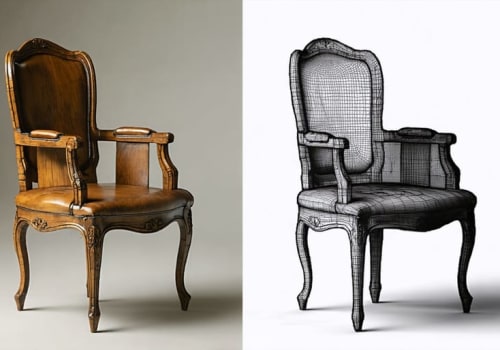
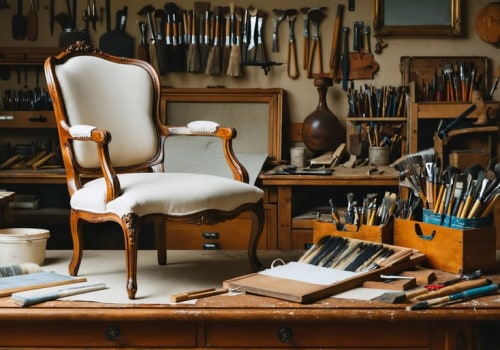
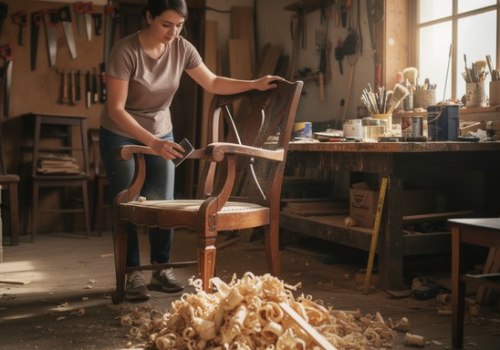
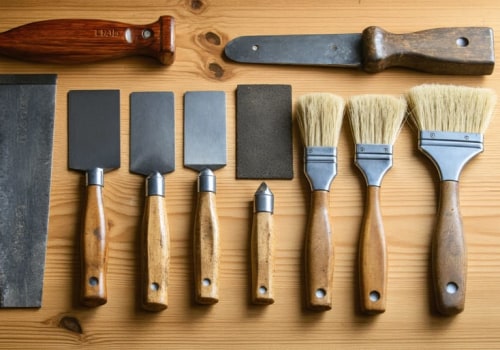
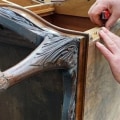
Furniture restoration is an art form that transcends mere repair; it is a meticulous process that breathes new life into cherished pieces of history. Each item carries with it a story, a testament to the craftsmanship of its time, and through restoration, we preserve not only the physical object but also the cultural heritage it represents. The importance of furniture restoration lies in its ability to maintain the integrity of these artifacts while allowing them to be functional and beautiful in contemporary settings. As we navigate through a world increasingly dominated by mass production, the value of furniture restoration becomes even more pronounced. Restoring furniture is not just about aesthetics; it is about sustainability and environmental consciousness.
By choosing to restore rather than replace, we reduce waste and honor the resources that went into creating these timeless pieces. Furthermore, the benefits of furniture restoration extend beyond environmental impact; they also include financial savings and the opportunity to own unique, one-of-a-kind items that tell a story. In this context, various organizations and associations dedicated to furniture restoration play a crucial role in supporting artisans and enthusiasts alike. These groups provide resources, training, and community connections that foster a deeper appreciation for the craft. As we delve deeper into this topic, we will explore some of these organizations and how they contribute to the preservation and promotion of furniture restoration as both an art and a vital practice in our society.
Overview of Furniture Restoration Organizations
In the realm of furniture restoration, several organizations and associations play a pivotal role in supporting professionals and enthusiasts alike.These groups not only provide resources and networking opportunities but also promote best practices and standards within the industry.
- The Association of Furniture Restoration Professionals (AFRP) : This organization is dedicated to advancing the craft of furniture restoration. It offers training programs, workshops, and certification for restorers, ensuring that members are well-versed in the latest techniques and materials.
- The American Institute for Conservation of Historic and Artistic Works (AIC) : While primarily focused on conservation, AIC includes furniture restoration as a significant aspect of its mission. Members benefit from access to a wealth of research, publications, and conferences that address both historical and contemporary restoration practices.
- The National Wood Flooring Association (NWFA) : Although centered on wood flooring, NWFA provides valuable resources for furniture restorers who work with wooden pieces. Their educational materials cover everything from wood types to finishing techniques, which are essential for high-quality restoration work.
- The Furniture Society : This organization fosters a community of furniture makers and restorers.
It hosts events, exhibitions, and discussions that encourage collaboration and innovation in the field of furniture design and restoration.
Key Organizations for Furniture Restorers
For those involved in furniture restoration, joining a professional organization can provide invaluable resources, networking opportunities, and industry insights. Here are some key organizations dedicated to supporting furniture restorers:- The Association of Furniture Restoration Professionals (AFRP) : This organization focuses on promoting best practices in the field of furniture restoration. Members benefit from access to exclusive workshops, training sessions, and a comprehensive online resource library that includes articles, videos, and case studies.
- The National Institute of Antique Restoration (NIAR) : NIAR is dedicated to preserving the art of antique restoration.
They offer certification programs that enhance credibility and skills for restorers. Additionally, they host annual conferences where members can connect with experts and learn about the latest techniques and materials.
- The American Society of Furniture Designers (ASFD) : While primarily focused on furniture design, ASFD also supports restorers by providing a platform for collaboration between designers and restorers. Membership includes access to industry publications, networking events, and educational resources that can help restorers stay updated on design trends.
- The Furniture Society : This organization promotes the art of furniture making and restoration through exhibitions, publications, and educational programs. Members can participate in workshops that cover various aspects of furniture restoration, from traditional techniques to modern innovations.
Networking with peers can lead to collaborations, mentorship opportunities, and even potential job leads in the ever-evolving field of furniture restoration.
Benefits of Joining Furniture Restoration Associations
Joining a furniture restoration association offers numerous benefits that can significantly enhance your career and skills in the field. Here are some of the key advantages:- Networking Opportunities: Being part of an association allows you to connect with fellow furniture restorers, industry experts, and potential clients. These connections can lead to collaborations, mentorships, and even job opportunities.
- Access to Resources: Members often gain access to exclusive resources such as industry publications, restoration techniques, and best practices. This information can be invaluable for staying updated on the latest trends and technologies in furniture restoration.
- Professional Development: Many associations offer workshops, seminars, and training sessions that focus on skill enhancement.
These educational opportunities can help you refine your techniques and learn new methods that can set you apart from competitors.
- Credibility and Recognition: Membership in a recognized association can enhance your credibility as a professional. It signals to clients that you are committed to maintaining high standards in your work.
- Advocacy: Associations often advocate for the interests of their members at local, state, and national levels. This can include lobbying for regulations that benefit the industry or providing a collective voice on important issues.
How to Choose the Right Organization for You
Choosing the right organization for your furniture restoration journey is crucial for both personal and professional growth.Here are some key factors to consider when selecting an association:
- Reputation: Research the organization’s history and standing within the furniture restoration community. Look for reviews, testimonials, and any awards or recognitions they may have received.
- Membership Benefits: Evaluate what the organization offers its members. This can include access to exclusive resources, workshops, networking opportunities, and discounts on materials or tools.
- Focus Areas: Different organizations may specialize in various aspects of furniture restoration. Determine if you want to focus on antique restoration, modern furniture repair, or a specific technique, and choose an organization that aligns with your interests.
- Networking Opportunities: Being part of a community can significantly enhance your skills and knowledge.
Look for organizations that host events, conferences, or forums where you can connect with other restorers.
- Educational Resources: Consider whether the organization provides access to training programs, certifications, or workshops that can help you improve your skills in furniture restoration.
- Location: While many organizations operate nationally or internationally, local chapters can provide more accessible networking and learning opportunities. Check if there are local branches near you.
Frequently Asked Questions about Furniture Restoration Organizations
Joining an organization dedicated to furniture restoration can be a significant step for both amateur and professional restorers. Here are some frequently asked questions regarding these associations:- What are the benefits of joining a furniture restoration organization?
Membership often provides access to valuable resources, including workshops, training sessions, and networking opportunities with other professionals in the field.Additionally, members may receive discounts on materials and tools, as well as access to exclusive publications.
- Are there specific qualifications required to join?
Most organizations welcome individuals at all skill levels, from hobbyists to seasoned professionals. However, some may have specific criteria or require a portfolio of work for membership consideration. - How much does it cost to join?
Membership fees vary by organization. Some may charge a nominal annual fee, while others might have tiered pricing based on the level of membership or benefits offered. It's advisable to check the specific organization’s website for detailed information. - Can I join multiple organizations?
Yes, many restorers choose to join multiple associations to maximize their learning and networking opportunities.Each organization may offer unique resources and benefits that can complement one another.
- What types of events do these organizations host?
Organizations often host a variety of events, including workshops, seminars, and annual conferences. These events provide excellent opportunities for hands-on learning and connecting with industry experts.
Conclusion: The Value of Community in Furniture Restoration
In conclusion, the world of furniture restoration is not just about the physical act of repairing and revitalizing old pieces; it is also about the connections and support that come from being part of a community. Throughout this article, we have explored various organizations and associations dedicated to furniture restorers, highlighting their role in fostering collaboration, education, and professional development.Joining a community of like-minded individuals can significantly enhance your skills and knowledge in furniture restoration.These organizations often provide access to valuable resources such as workshops, seminars, and networking opportunities that can help you stay updated on the latest techniques and trends in the field. Additionally, being part of a community allows restorers to share their experiences, challenges, and successes, creating a rich environment for learning and growth.Moreover, many associations advocate for the preservation of traditional restoration methods while also embracing modern innovations. This balance ensures that restorers can maintain the integrity of antique pieces while also adapting to contemporary styles and materials. By participating in these organizations, you contribute to a collective effort that values craftsmanship and sustainability in furniture restoration.Ultimately, whether you are a seasoned professional or just starting your journey in furniture restoration, engaging with a community can provide invaluable support.
It fosters a sense of belonging and encourages continuous improvement. As you consider your next steps in this rewarding field, remember that the connections you make within these organizations can be just as important as the skills you develop.