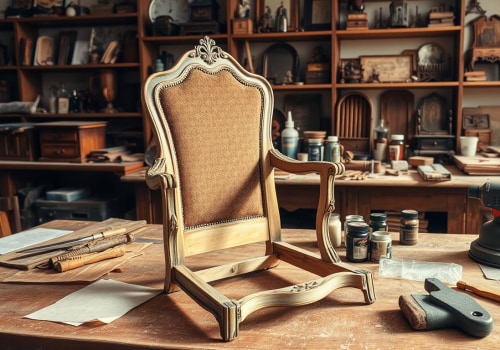
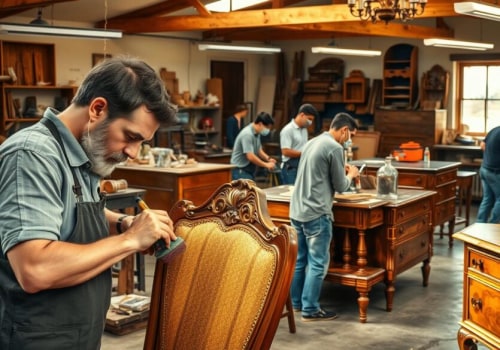
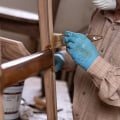
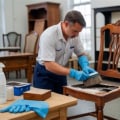
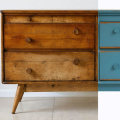
Furniture restoration is an art that breathes new life into old, worn-out pieces, transforming them into stunning focal points for any space. This process goes beyond mere repair; it involves a deep understanding of the materials, techniques, and finishes that can enhance the beauty and functionality of each item. Whether you are dealing with a cherished family heirloom or a vintage find from a flea market, knowing what furniture restoration entails is crucial for achieving the desired outcome.The significance of furniture restoration lies not only in preserving the aesthetic appeal of a piece but also in maintaining its historical value. Each item tells a story, and through careful restoration, you can ensure that these narratives continue to be shared for generations to come.
A well-restored piece can serve as a conversation starter, a testament to craftsmanship, and an embodiment of sustainability by reducing waste and promoting reuse.One of the most critical aspects of furniture restoration is selecting the right finish. The finish not only protects the wood but also enhances its natural beauty, allowing the grain and color to shine through. Different finishes can dramatically alter the appearance and feel of furniture, making it essential to choose wisely based on the type of wood, the intended use of the piece, and your personal style preferences. As we delve deeper into this topic, we will explore various tips for selecting the perfect finish that complements your restored furniture while ensuring durability and longevity.
Types of Finishes for Restored Furniture
When it comes to furniture restoration, selecting the right finish is crucial for both aesthetics and durability.Here are some common types of finishes you might consider:
- Oil Finish: This finish penetrates the wood, enhancing its natural beauty while providing a warm glow. It is easy to apply and maintain, making it a popular choice for DIY restorers. However, oil finishes can take longer to dry and may require more frequent reapplication.
- Varnish Finish: Varnish creates a hard, protective layer on the surface of the wood. It is available in various sheens, from matte to high gloss.
While varnish offers excellent durability and resistance to moisture, it can be challenging to apply evenly and may require sanding between coats.
- Wax Finish: Wax provides a soft, natural look and is easy to apply. It enhances the wood's texture and can be buffed to achieve a desired sheen. However, wax finishes are less durable than other options and may need regular reapplication, especially in high-traffic areas.
- Polyurethane Finish: This synthetic finish is known for its exceptional durability and resistance to scratches and stains. Available in both oil-based and water-based formulations, polyurethane can be applied in multiple coats for added protection.
The downside is that it can alter the color of the wood and may require more effort to apply correctly.
Factors to Consider When Choosing a Finish
When it comes to furniture restoration, selecting the right finish is crucial for both the longevity and appearance of your piece. Here are some key factors to consider:- Durability: The finish you choose should be able to withstand the wear and tear of everyday use. For high-traffic items like dining tables or coffee tables, consider finishes such as polyurethane or varnish, which offer excellent protection against scratches and spills.
- Aesthetics: The finish can dramatically alter the look of your restored furniture.
If you want to highlight the natural beauty of the wood grain, a clear finish like oil or a water-based polyurethane can enhance its appearance without masking it. On the other hand, if you prefer a more uniform look, paint or a solid stain may be more suitable.
- Intended Use: Think about how the furniture will be used. For example, if you're restoring a piece for a child's room, a non-toxic finish that is easy to clean would be ideal. Conversely, a decorative piece that will not see much use might allow for more delicate finishes.
- Environmental Considerations: If you're concerned about sustainability, look for eco-friendly finishes that are low in volatile organic compounds (VOCs).
These options are better for indoor air quality and are often safer for your family and pets.
The Importance of Surface Preparation
When it comes to furniture restoration, the success of your finish largely depends on the quality of your surface preparation. Properly prepping the wood not only enhances the appearance but also ensures that the finish adheres well and lasts longer.Understanding Surface Preparation
Surface preparation involves several key steps, including cleaning, sanding, and sometimes even filling imperfections. Each step is crucial in creating a smooth and even surface that will showcase your chosen finish beautifully.Sanding Techniques
Sanding is perhaps the most critical part of surface preparation. Here are some tips to achieve optimal results:- Start with Coarse Grit: Begin with a coarse grit sandpaper (around 80-120 grit) to remove old finishes and smooth out rough areas.
- Progress to Finer Grits: Gradually move to finer grits (220-320 grit) to refine the surface.
This step is essential for achieving a smooth finish.
- Sand with the Grain: Always sand in the direction of the wood grain to avoid scratches that can show through your finish.
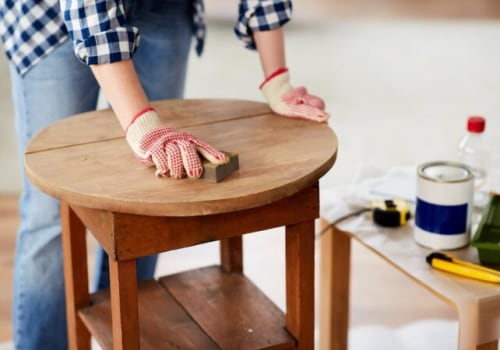
- Use a Sanding Block: For flat surfaces, use a sanding block to maintain even pressure and avoid creating dips or uneven areas.
Cleaning the Surface
After sanding, it’s vital to clean the surface thoroughly. Dust and debris can interfere with the adhesion of your finish. Here’s how to clean effectively:- Vacuum First: Use a vacuum with a brush attachment to remove dust from all surfaces.
- Wipe Down: Follow up with a damp cloth or tack cloth to pick up any remaining particles. Ensure the wood is completely dry before applying any finish.
Remember, a well-prepped surface not only looks better but also prolongs the life of your restoration project.
Application Techniques for Different Finishes
When it comes to applying furniture finish, the technique you choose can significantly impact the final appearance and durability of your restored piece. Here are some effective methods to consider:Brush Application
Using a brush is a traditional method that allows for precision and control. Here are some tips for successful brush application:- Choose the Right Brush: Use a high-quality natural bristle brush for oil-based finishes and a synthetic brush for water-based finishes.
- Work in Sections: Apply the finish in small sections to avoid drips and ensure even coverage.
- Follow the Grain: Always brush in the direction of the wood grain to achieve a smooth finish.
- Thin Coats: Apply multiple thin coats rather than one thick coat to prevent runs and achieve a more professional look.
Spray Application
Spray application can provide a smooth, even finish with less effort. However, it requires careful preparation:- Use Proper Equipment: Invest in a good quality spray gun or aerosol can designed for furniture finishes.
- Prepare the Area: Ensure you are in a well-ventilated space and protect surrounding areas from overspray.
- Maintain Distance: Hold the sprayer about 6-12 inches from the surface to avoid pooling and ensure an even coat.
- Practice Technique: Use a sweeping motion while spraying, overlapping each pass slightly for uniform coverage.
Finishing Techniques
No matter which application method you choose, here are some finishing techniques to enhance your results:- Sanding Between Coats: Lightly sand between coats with fine-grit sandpaper to promote adhesion and create a smoother surface.
- Use a Tack Cloth: Wipe down the surface with a tack cloth before applying each coat to remove dust and debris.
- Curing Time: Allow adequate curing time between coats as recommended by the manufacturer for optimal results.
Common Mistakes to Avoid in Furniture Finishing
When it comes to furniture restoration, the finishing process can make or break your project.Avoiding common mistakes is essential for achieving a professional look and ensuring the longevity of your restored piece. Here are some pitfalls to watch out for:
- Skipping Surface Preparation: One of the most significant errors is neglecting to properly prepare the surface. Failing to sand, clean, or strip old finishes can lead to poor adhesion and an uneven appearance. Always start with a clean, smooth surface.
- Choosing the Wrong Finish: Not all finishes are suitable for every type of wood or furniture style.
For instance, using a glossy finish on a rustic piece can clash with its aesthetic. Research the best options for your specific project and consider factors like durability and maintenance.
- Applying Too Thick a Coat: Many beginners make the mistake of applying thick layers of finish, which can lead to drips and an uneven texture. Instead, opt for multiple thin coats, allowing each layer to dry completely before applying the next.
- Ignoring Environmental Conditions: The environment in which you apply your finish plays a crucial role in the outcome. High humidity or extreme temperatures can affect drying times and finish quality.
Always check the weather conditions before starting your project.
- Neglecting to Test First: Before applying a finish to your entire piece, test it on a small, inconspicuous area. This will help you see how the wood reacts and ensure that you’re happy with the color and sheen.
FAQs About Furniture Finishing Choices
When it comes to furniture restoration, choosing the right finish can significantly impact both the appearance and durability of your piece. Here are some frequently asked questions that can help guide your decision-making process.What are the most common types of finishes for restored furniture?
- Varnish: A popular choice for its durability and water resistance, varnish provides a hard finish that can enhance the natural beauty of wood.
- Polyurethane: Known for its toughness, polyurethane is ideal for high-traffic furniture.
It comes in both oil-based and water-based options.
- Lacquer: This finish dries quickly and offers a high-gloss look, making it suitable for modern furniture styles.
- Oil finishes: Options like tung oil or linseed oil penetrate the wood, providing a natural look while enhancing grain visibility.
How do I choose the best finish for my project?
Consider the following factors when selecting a finish:- Usage: Think about how the furniture will be used. For items that will see heavy use, opt for more durable finishes like polyurethane.
- Aesthetic: Determine the look you want to achieve. Glossy finishes can create a modern feel, while matte finishes offer a more rustic appearance.
- Wood type: Different woods react differently to finishes. Test a small area first to see how the wood absorbs and displays the finish.
Are there any eco-friendly finishing options?
Yes! Many manufacturers now offer low-VOC (volatile organic compounds) or water-based finishes that are less harmful to the environment and safer for indoor use.Look for products labeled as eco-friendly or non-toxic.If you have further questions about specific finishes or techniques, don’t hesitate to reach out to local restoration experts or consult online resources dedicated to furniture restoration.
Conclusion: Making the Right Choice for Your Restored Furniture
In conclusion, selecting the right finish for your furniture restoration project is crucial to achieving both aesthetic appeal and long-lasting durability. Throughout this article, we have explored various factors that influence your choice of finish, including the type of wood, the intended use of the furniture, and the desired look. When considering finishes, remember to weigh the pros and cons of each option:- Oil finishes enhance the natural beauty of wood but may require more frequent maintenance.
- Varnishes provide a hard protective layer, making them ideal for high-traffic pieces.
- Paint offers versatility in color and style but can obscure the wood grain.
By doing so, you ensure that your restored furniture not only stands out but also stands the test of time. In summary, a thoughtful approach to selecting a finish will enhance both the beauty and functionality of your restored pieces, making them cherished additions to your home for years to come.