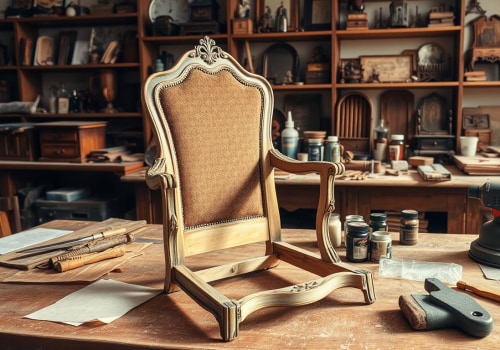
Furniture restoration is a meticulous process that involves repairing, refinishing, and rejuvenating pieces of furniture to restore their original beauty and functionality. This practice not only enhances the aesthetic appeal of your home but also preserves the historical and sentimental value of cherished items. Whether it’s an antique heirloom or a modern piece that has seen better days, furniture restoration can breathe new life into your furnishings, making them both usable and visually striking. The importance of furniture restoration cannot be overstated. In a world increasingly focused on sustainability, restoring furniture is an eco-friendly alternative to buying new.
It reduces waste and minimizes the demand for new materials, which can be resource-intensive to produce. Additionally, well-restored furniture can often exceed the quality of mass-produced items, offering durability and craftsmanship that stand the test of time. The furniture restoration process typically begins with a thorough assessment of the piece in question. This includes identifying any structural issues, assessing the condition of finishes, and determining the best methods for repair. Professionals often employ a variety of techniques such as sanding, staining, and reupholstering to achieve the desired results.
Understanding this process is crucial when considering hiring a professional restorer, as it highlights the skill and expertise required to effectively restore furniture without compromising its integrity.
Qualifications and Experience of a Furniture Restorer
When seeking a professional furniture restorer, understanding their qualifications and experience is crucial to ensure quality restoration work. Here are key factors to consider:- Educational Background: A formal education in furniture restoration, woodworking, or a related field can provide a solid foundation. Look for restorers who have completed courses or certifications from recognized institutions.
- Years of Experience: Experience plays a significant role in the quality of restoration. A restorer with several years in the industry is likely to have encountered a variety of materials and techniques, enhancing their skill set.
- Specialization: Some restorers may specialize in specific styles or periods of furniture.
If you have a particular piece that requires attention, ensure the restorer has experience with that style, whether it’s antique, modern, or custom pieces.
- Portfolio of Work: Request to see a portfolio showcasing previous restoration projects. This will give you insight into their craftsmanship and attention to detail. Look for before-and-after photos that demonstrate their ability to restore furniture effectively.
- References and Reviews: Check for testimonials or reviews from past clients. Positive feedback can indicate reliability and quality service.
Don’t hesitate to ask for references to speak directly with previous customers about their experiences.
- Knowledge of Materials: A proficient restorer should have a deep understanding of various materials used in furniture making, including wood types, finishes, and upholstery. This knowledge is essential for selecting appropriate restoration methods and products.
Portfolio and Previous Work
When searching for a professional furniture restorer, one of the most critical steps is to thoroughly evaluate their portfolio and previous work. This not only showcases their skill level but also provides insight into their unique style and approach to furniture restoration.Assessing the Portfolio
- Diversity of Projects: Look for a range of projects that demonstrate the restorer's ability to handle various styles, materials, and types of furniture.
A well-rounded portfolio indicates versatility and experience.
- Quality of Work: Pay attention to the details in the photographs. High-resolution images that highlight intricate craftsmanship, finishes, and repairs are essential. Look for signs of quality restoration, such as seamless repairs and consistent finishes.
- Before-and-After Comparisons: Many restorers include before-and-after photos in their portfolios. These comparisons can be particularly telling, as they illustrate the restorer's ability to transform pieces while maintaining their original character.
Examples of Furniture Restoration
Ask the restorer for specific examples of projects similar to your own furniture.
This can help you gauge whether their style aligns with your vision. For instance, if you have an antique piece that requires delicate handling, ensure they have experience with similar restorations.
Client Testimonials and Reviews
- Feedback from Previous Clients: Look for testimonials or reviews from past clients. Positive feedback can provide reassurance about the restorer's reliability and quality of work.
- Referrals: If possible, ask for referrals from friends or family who have had furniture restored. Personal recommendations can lead you to skilled professionals.
By focusing on the diversity, quality, and relevance of their past projects, you can ensure that your chosen restorer is well-equipped to meet your specific needs in furniture restoration.
Techniques and Materials Used in Furniture Restoration
When considering furniture restoration, understanding the techniques and materials used by professionals is crucial for achieving high-quality results. A skilled furniture restorer employs a variety of methods tailored to the specific needs of each piece, ensuring that both aesthetics and structural integrity are preserved.Common Techniques in Furniture Restoration
- Stripping and Sanding: This technique involves removing old finishes to reveal the original wood. Professionals often use chemical strippers or sanding tools to carefully eliminate layers without damaging the underlying material.
- Repairing Joints: Loose joints can compromise the stability of furniture. Restorers typically use wood glue, clamps, and sometimes dowels to reinforce these connections, ensuring longevity.
- Reupholstering: For upholstered pieces, replacing worn-out fabric is essential.
Experts select high-quality materials that match the original design while providing durability and comfort.
- Finishing: The final touch in restoration involves applying stains, paints, or sealants. Professionals choose finishes that enhance the wood's natural beauty while protecting it from wear and tear.
Materials Used in Restoration
The choice of materials is just as important as the techniques employed. High-quality materials not only improve the appearance of restored furniture but also ensure its durability. Here are some commonly used materials:- Wood Glue: A strong adhesive specifically designed for woodworking, providing a lasting bond for repairs.
- Varnish and Lacquer: These finishes offer protection against moisture and scratches while enhancing the wood's color and grain.
- Upholstery Fabrics: Selecting durable fabrics that can withstand daily use is vital for reupholstering projects.
- Wood Stains: Used to enhance or change the color of wood, stains can bring out the natural beauty of the grain.
A restorer who prioritizes quality methods and high-grade materials will not only restore your furniture but also extend its life, ensuring it remains a cherished piece for years to come.
Customer Reviews and Testimonials
When searching for a professional furniture restorer, one of the most valuable resources at your disposal is customer reviews and testimonials. These insights can provide a clearer picture of a restorer's reputation and the quality of their work.Why Customer Reviews Matter
Customer reviews serve as a reflection of past clients' experiences, offering potential customers a glimpse into what they can expect. Positive testimonials can highlight a restorer's attention to detail, craftsmanship, and reliability, while negative reviews can reveal potential red flags.
Where to Find Reviews
- Online Review Platforms: Websites like Yelp, Google Reviews, and Angie's List are excellent starting points. They aggregate customer feedback and ratings, allowing you to compare different restorers easily.
- Social Media: Check platforms like Facebook or Instagram where restorers may showcase their work.
Customer comments on these posts can provide additional insights.
- Word of Mouth: Ask friends, family, or colleagues for recommendations. Personal experiences often carry more weight than online reviews.
Evaluating Testimonials
When reading through reviews, consider the following:
- Consistency: Look for patterns in feedback. If multiple customers mention similar strengths or weaknesses, it’s likely an accurate representation of the restorer's capabilities.
- Detail: Reviews that provide specific examples of the work done are often more reliable than vague comments. Pay attention to descriptions of the restoration process and final results.
- Response to Feedback: A professional restorer who engages with their customers—whether responding to positive or negative reviews—demonstrates a commitment to customer satisfaction.
They not only help you gauge the quality of service but also assist in making an informed decision that aligns with your restoration needs.
Cost Considerations in Furniture Restoration
When considering furniture restoration, understanding the cost involved is crucial for making informed decisions. The price of restoration services can vary significantly based on several factors, which we will explore below.Factors Influencing Cost
- Type of Restoration: The extent of the restoration required plays a major role in pricing. Simple repairs, such as minor scratches or dents, will generally cost less than extensive work that involves structural repairs or complete refinishing.
- Materials Used: The quality of materials chosen for the restoration can impact the overall cost. High-quality finishes, fabrics, and hardware may increase the price but can also enhance the longevity and appearance of the restored piece.
- Labor Costs: Skilled labor is essential in furniture restoration.
The experience and expertise of the restorer can affect pricing. Highly experienced restorers may charge more due to their specialized skills and reputation.
- Location: Geographic location can also influence costs. Urban areas with a higher cost of living may see higher prices compared to rural regions.
- Timeframe: If you need the restoration completed quickly, you might incur additional rush fees. Standard turnaround times are typically more budget-friendly.
Setting a Budget
Before engaging a professional, it’s wise to set a realistic budget for your furniture restoration project.Consider obtaining multiple quotes from different restorers to compare prices and services offered. This not only helps you gauge the average cost but also allows you to assess the value provided by each restorer.In summary, while the cost of furniture restoration can vary widely based on several factors, understanding these elements will help you make an informed decision and ensure that your investment yields satisfying results.
Questions to Ask Before Hiring a Furniture Restorer
When considering furniture restoration, asking the right questions can help you find a skilled professional who meets your needs. Here are some essential questions to pose before hiring a furniture restorer:- What is your experience with furniture restoration? Inquire about their background and how long they have been in the business. A restorer with extensive experience is likely to have honed their skills and developed a keen eye for detail.
- Can you provide references or examples of previous work? Requesting references or a portfolio allows you to assess the quality of their work.
Look for restorers who can showcase a variety of styles and techniques.
- What types of furniture do you specialize in? Different restorers may have expertise in specific types of furniture, such as antiques, modern pieces, or upholstered items. Ensure their specialization aligns with your needs.
- What restoration techniques do you use? Understanding their methods can give you insight into their approach. Ask if they use traditional techniques or modern materials, and how these choices affect the final outcome.
- How do you determine the cost of restoration? A transparent pricing structure is crucial. Ask for a detailed estimate that outlines labor, materials, and any additional costs that may arise during the process.
- What is your timeline for completing the project? Knowing how long the restoration will take helps you plan accordingly.
Be sure to discuss any potential delays that could arise.
- Do you offer any guarantees or warranties on your work? A reputable restorer should stand behind their work. Inquire about any guarantees they provide to ensure your investment is protected.
Red Flags to Watch Out For
When searching for a professional furniture restorer, it’s crucial to be aware of potential red flags that may indicate an unqualified or unreliable service provider. Recognizing these warning signs can save you time, money, and frustration.- Lack of Portfolio: A reputable restorer should have a portfolio showcasing their previous work. If they cannot provide examples or references, consider this a significant red flag.
- No Reviews or Poor Reputation: Check online reviews and testimonials.
A lack of feedback or consistently negative reviews can indicate issues with their service quality.
- Unclear Pricing Structure: Be cautious of restorers who provide vague estimates or refuse to give a written quote. Transparent pricing is essential in avoiding unexpected costs.
- Pressure Tactics: If a restorer pressures you to make a quick decision or pay upfront without a clear contract, it’s wise to walk away. A trustworthy professional will allow you time to consider your options.
- Limited Knowledge: During your initial consultation, assess their knowledge about different restoration techniques and materials. A lack of expertise may indicate they are not well-versed in the field.
- Inconsistent Communication: If the restorer is difficult to reach or slow to respond to inquiries, this could reflect their overall reliability and commitment to customer service.
Conclusion: Making an Informed Choice in Furniture Restoration
In conclusion, selecting the right professional for furniture restoration is a critical decision that can significantly impact the longevity and aesthetic appeal of your cherished pieces.Throughout this article, we have explored several key factors to consider when making this choice. First and foremost, it is essential to assess the experience and expertise of potential restorers. Look for professionals who have a proven track record in handling the specific type of furniture you need restored, whether it be antique, modern, or custom pieces. Their familiarity with various materials and techniques will ensure that your furniture receives the best care possible. Additionally, consider the restoration methods employed by the professional. A reputable restorer should be transparent about their processes and willing to discuss the techniques they use.
This not only reflects their knowledge but also gives you confidence in their ability to preserve the integrity of your furniture. Another important aspect is to review customer testimonials and portfolios. Feedback from previous clients can provide valuable insights into the quality of work and customer service you can expect. A well-documented portfolio showcasing before-and-after images can also help you gauge their skill level. Finally, don’t overlook the importance of communication. A professional restorer should be approachable and willing to answer any questions you may have.
Clear communication ensures that your vision for the restoration aligns with their execution. By taking these factors into account, you can make an informed choice when selecting a professional for your furniture restoration needs. Remember, investing time in finding the right expert will ultimately lead to a more satisfying outcome for your beloved furniture pieces.