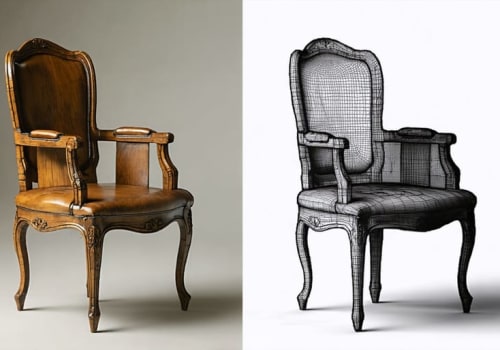
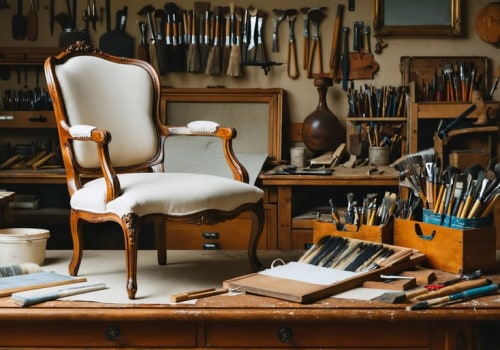
Furniture restoration is a meticulous process that breathes new life into worn or damaged pieces, transforming them into functional and aesthetically pleasing items once again. This practice not only preserves the history and craftsmanship of furniture but also contributes to sustainability by reducing waste. As more individuals seek to maintain their heirlooms or invest in vintage pieces, understanding the furniture restoration process becomes increasingly important. The furniture restoration process typically involves several stages, including assessment, cleaning, repair, and finishing. Each step requires a keen eye for detail and a deep understanding of materials and techniques.
For instance, identifying the type of wood or finish used can significantly influence the methods employed during restoration. This knowledge is crucial for ensuring that the integrity of the piece is maintained while enhancing its visual appeal. Moreover, the importance of furniture restoration extends beyond mere aesthetics. Restored furniture can hold significant sentimental value, often being passed down through generations. By investing time and effort into restoring these pieces, individuals not only preserve memories but also contribute to a culture of sustainability by opting for restoration over disposal.
As we delve deeper into this topic, it becomes essential to recognize the common challenges faced during the restoration process, which can impact both the outcome and the overall experience.
Common Challenges in Furniture Restoration
Restoring furniture can be a rewarding endeavor, but it is not without its challenges. Understanding these common difficulties can help restorers prepare and navigate the process more effectively.- Material Degradation: One of the primary challenges in furniture restoration is dealing with the natural degradation of materials over time. Wood can warp, crack, or become infested with pests, while fabrics may fade or tear. Identifying the extent of damage is crucial for determining the best restoration approach.
- Sourcing Parts: Finding original or compatible parts for antique or vintage furniture can be a daunting task.
Many restorers face difficulties in locating specific hardware, upholstery, or finishes that match the original design. This often requires extensive research and networking within restoration communities.
- Time Constraints: Restoring furniture is often a time-consuming process. Many restorers underestimate the amount of time required to complete a project, leading to rushed work that can compromise quality. Setting realistic timelines and allowing for unexpected delays is essential.
- Skill Level: Not all restorers possess the same level of expertise.
Beginners may struggle with advanced techniques such as refinishing or reupholstering, which can lead to frustration and subpar results. Continuous learning and practice are vital for overcoming this challenge.
- Budget Limitations: Restoration projects can quickly become expensive, especially when high-quality materials and professional services are involved. Budget constraints may force restorers to make compromises that affect the final outcome of their work.
Material Degradation: Identifying and Addressing Issues
During the furniture restoration process, one of the most significant challenges is dealing with material degradation.This can manifest in various forms, primarily affecting wood and upholstery. Understanding how to identify and address these issues is crucial for a successful restoration.
Wood Rot
Wood rot is a common problem that occurs when wood is exposed to excessive moisture, leading to fungal growth. Signs of wood rot include:- Soft spots: Areas where the wood feels spongy or crumbles easily.
- Discoloration: Darkened patches or a change in color can indicate underlying decay.
- Musty odor: A damp smell often accompanies rotting wood.
Afterward, applying a high-quality sealant can help prevent future moisture intrusion.
Upholstery Issues
Upholstery damage can also pose challenges during furniture restoration. Common issues include:- Tears and rips: These can occur from wear and tear or accidents.
- Fading colors: Exposure to sunlight can lead to significant color loss over time.
- Stains: Spills and dirt can leave unsightly marks on fabric.
Regular cleaning and using protective sprays can help maintain the integrity of the upholstery over time.In conclusion, recognizing and addressing material degradation, such as wood rot and upholstery issues, is vital in the furniture restoration process. By taking proactive measures, restorers can ensure that their pieces not only look good but also stand the test of time.
Sourcing Replacement Parts and Materials
One of the most significant challenges in furniture restoration is sourcing authentic or suitable replacement parts and materials. Whether you are restoring a vintage chair or a classic wooden table, finding the right components can be a daunting task.Identifying Authentic Parts
When it comes to sourcing materials for furniture restoration, authenticity is key. Many restorers struggle to find original parts that match the age and style of the piece they are working on.
This is particularly true for antique furniture, where specific hardware or finishes may no longer be in production.
Where to Look for Replacement Parts
- Antique Shops: Local antique shops often have a selection of old hardware and parts that can be repurposed.
- Online Marketplaces: Websites like eBay, Etsy, and specialized restoration sites can be goldmines for finding unique components.
- Salvage Yards: Architectural salvage yards frequently stock old furniture parts that can be used in restoration projects.
- Furniture Restoration Forums: Online communities can provide leads on where to find specific parts and share experiences with various suppliers.
Evaluating Options
Once you find potential sources, evaluating the quality and suitability of the materials is crucial. Here are some tips:
- Check for Compatibility: Ensure that the parts you are considering will fit seamlessly with your existing furniture.
- Assess Quality: Look for signs of wear or damage that could affect the integrity of the restoration.
- Research Suppliers: Read reviews and ask for recommendations to ensure you are purchasing from reputable sources.
Time Management: Balancing Restoration with Other Commitments
Time management is a critical aspect of furniture restoration, as restorers often juggle multiple projects alongside personal and professional commitments. The challenge lies in effectively allocating time to ensure that each restoration project receives the attention it deserves without compromising quality.One effective strategy for managing time during the furniture restoration process is to create a detailed schedule.This schedule should outline specific tasks, deadlines, and estimated timeframes for each phase of the restoration. By breaking down the project into manageable steps, restorers can avoid feeling overwhelmed and maintain a clear focus on their goals.
Prioritizing Tasks
Another important aspect of time management is prioritization. Restorers should assess which tasks are most critical to the success of the project and tackle those first. For instance, if a piece requires extensive repairs before finishing, addressing those issues early on can prevent delays later in the process.Setting Realistic Goals
Setting realistic goals is essential for maintaining motivation and ensuring progress.It’s important to recognize that furniture restoration can be time-consuming, and rushing through tasks can lead to subpar results. By establishing achievable milestones, restorers can celebrate small victories along the way, which helps sustain enthusiasm throughout the project.
Utilizing Downtime
Restorers can also make use of downtime effectively. For example, while waiting for paint or varnish to dry, they can prepare tools or organize their workspace. This not only maximizes productivity but also keeps the workflow smooth and efficient.In conclusion, mastering time management in furniture restoration involves careful planning, prioritization, and making the most of available time.By implementing these strategies, restorers can balance their projects with other commitments while ensuring high-quality outcomes.
Skill Level: The Importance of Expertise in Restoration
When it comes to furniture restoration, the skill level required can vary significantly depending on the type of work being undertaken. From simple cleaning and polishing to complex structural repairs, understanding the necessary expertise is crucial for achieving satisfactory results.Beginner Level:
For those just starting out, basic restoration tasks such as cleaning, minor touch-ups, and applying finishes can be manageable. These tasks often require minimal tools and can be learned through online tutorials or community workshops. Beginners should focus on:
- Understanding different wood types and finishes.
- Learning proper cleaning techniques to avoid damage.
- Practicing basic repair methods like filling scratches or dents.
Intermediate Level:
As one gains experience, more intricate projects may come into play.
This includes reupholstering furniture, repairing joints, or refinishing surfaces. At this level, a deeper understanding of materials and techniques is essential. Resources for learning include:
- Online courses focused on specific restoration techniques.
- Books and manuals that cover furniture construction and repair.
- Mentorship from experienced restorers who can provide hands-on guidance.
Advanced Level:
For those looking to master furniture restoration, advanced skills such as custom woodworking, antique restoration, and historical preservation are necessary. This level often requires formal training or extensive experience.
Key areas of focus include:
- Understanding historical styles and construction methods.
- Mastering advanced techniques like marquetry or inlay work.
- Gaining knowledge about conservation ethics and practices.
Environmental Factors: Impact on Restoration Projects
When undertaking furniture restoration, one cannot overlook the significant impact of environmental factors such as humidity and temperature. These elements play a crucial role in determining the success of any restoration project.Humidity Effects on Wood
Wood is a natural material that reacts to changes in humidity.High humidity levels can cause wood to absorb moisture, leading to expansion, warping, or even cracking. Conversely, low humidity can result in the wood drying out, which may cause it to shrink and develop unsightly gaps or splits. To mitigate these effects:
- Monitor Humidity Levels: Use a hygrometer to keep track of indoor humidity. Ideally, it should be maintained between 40% and 60%.
- Use Dehumidifiers or Humidifiers: Depending on your local climate, consider using dehumidifiers in damp conditions or humidifiers during dry spells to maintain optimal moisture levels.
- Store Furniture Properly: If you’re working on a restoration project, store your furniture in a controlled environment where humidity can be regulated.
Temperature Considerations in Restoration
Temperature also plays a vital role in the furniture restoration process.Extreme temperatures can affect adhesives, finishes, and even the wood itself. For instance, high temperatures can accelerate drying times for finishes but may also lead to uneven curing. On the other hand, cold temperatures can slow down the drying process significantly.
- Aim for Consistent Temperatures: Ideally, work in an environment where temperatures are stable, ideally between 65°F and 75°F.
- Avoid Direct Sunlight: When restoring furniture, keep it out of direct sunlight to prevent overheating and potential damage to finishes.
- Plan for Seasonal Changes: Be mindful of seasonal variations that could affect your restoration timeline and adjust your methods accordingly.
Common Mistakes to Avoid During Furniture Restoration
When embarking on a furniture restoration project, both novice and experienced restorers can fall prey to common mistakes that can compromise the quality and longevity of their work. Understanding these pitfalls is crucial for achieving a successful outcome.- Neglecting Proper Research: One of the most significant errors is failing to research the specific type of furniture being restored.
Different materials and finishes require unique approaches. For instance, using the wrong solvent on a delicate wood finish can lead to irreversible damage.
- Skipping Preparation Steps: Rushing into restoration without adequate preparation can lead to subpar results. Always clean the piece thoroughly and assess its condition before starting any work. This includes checking for structural issues that may need addressing.
- Over-sanding: While sanding is essential for a smooth finish, over-sanding can strip away valuable layers of wood and detail.
Use fine-grit sandpaper and be gentle, especially on antique pieces.
- Ignoring Original Features: Many restorers make the mistake of altering or removing original features, such as hardware or decorative elements. These details often contribute to the piece's character and value.
- Using Inappropriate Products: The choice of products used in furniture restoration is critical. Avoid using modern finishes on vintage pieces unless you are certain they will not harm the original material. Always opt for products that are compatible with the age and style of the furniture.
- Lack of Patience: Restoration is an art that requires time and patience.
Rushing through the process can lead to mistakes that are difficult to correct later on. Take your time to ensure each step is completed thoroughly.
FAQs About Furniture Restoration Challenges
When it comes to furniture restoration, many enthusiasts and professionals encounter a variety of challenges. Here are some frequently asked questions that address these common issues:- What are the most common challenges in furniture restoration?
One of the primary challenges is dealing with damaged wood.This can include scratches, dents, or even structural issues that require careful repair. Additionally, selecting the right materials and finishes can be daunting, as they must match the original piece while ensuring durability.
- How do I handle peeling veneer?
Peeling veneer is a common issue in older furniture. To address this, gently lift the veneer with a putty knife and apply a suitable adhesive. Once reattached, use clamps to hold it in place until the glue dries. - What if my furniture has a strong odor?
Odors can be a significant challenge, especially in vintage pieces.To eliminate unpleasant smells, try using a mixture of baking soda and water to clean surfaces, or place activated charcoal inside drawers to absorb odors.
- Is it difficult to match stains and finishes?
Yes, matching stains and finishes can be tricky due to variations in wood grain and age. It’s advisable to test different stain samples on an inconspicuous area before applying it to the entire piece.
Conclusion: Overcoming Challenges in Furniture Restoration
In conclusion, furniture restoration is a rewarding yet challenging endeavor that requires a deep understanding of various factors that can impact the process. Throughout this article, we have explored several common challenges faced by restorers, including:- Material Degradation: Over time, wood and upholstery can suffer from wear and tear, making it essential to assess the condition of materials before starting any restoration work.
- Finding Matching Materials: Sourcing the right materials to match the original design can be difficult, especially for vintage or antique pieces.
- Skill Level: The complexity of restoration techniques often requires specialized skills that may not be readily available to all DIY enthusiasts.
- Time Commitment: Restoration projects can be time-consuming, requiring patience and dedication to achieve the desired results.
Here are some strategies to consider:
- Conduct Thorough Research: Understanding the history and construction of the furniture piece can guide your restoration efforts.
- Invest in Quality Tools: Using the right tools can make a significant difference in the quality of your work and help overcome technical challenges.
- Seek Professional Help: When in doubt, consulting with or hiring a professional restorer can save time and ensure high-quality results.