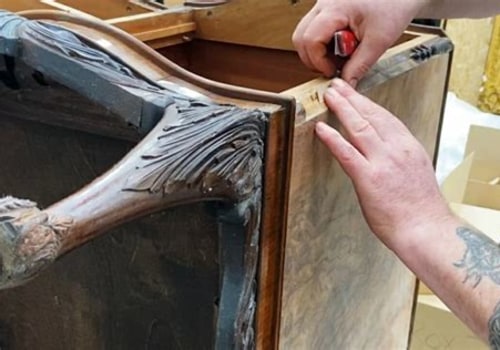
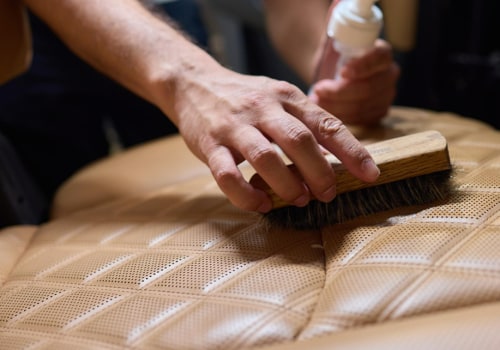
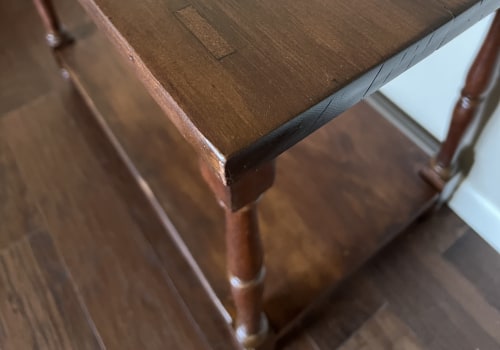
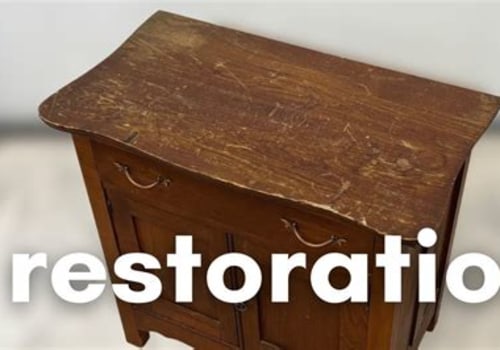
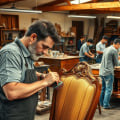
Furniture restoration is an art that combines creativity, craftsmanship, and a deep appreciation for history. It involves repairing, refinishing, or refurbishing old or damaged furniture to bring it back to its former glory. While the process can be incredibly rewarding, it is essential to recognize that there are inherent risks of furniture restoration that both novice and experienced restorers should be aware of. Understanding these risks can help you make informed decisions and ensure a successful restoration project.One of the primary dangers associated with furniture repair is the potential for damaging the original materials.
Many older pieces are made from delicate woods or feature intricate designs that can be easily compromised during the restoration process. Additionally, the use of harsh chemicals in stripping or refinishing can lead to irreversible damage if not handled properly. This highlights the importance of using appropriate techniques and materials tailored to the specific type of furniture you are working on.Moreover, there are safety concerns to consider when undertaking furniture restoration. Tools and equipment used in the process can pose risks if not used correctly.
From sharp chisels to power sanders, improper handling can result in injuries. Furthermore, exposure to toxic substances found in some paints and finishes can have health implications if adequate precautions are not taken. Therefore, it is crucial to equip yourself with knowledge and safety gear before diving into any restoration project.
Common Risks in Furniture Restoration
When embarking on furniture restoration, it’s essential to be aware of the various risks that can arise during the process. Understanding these risks can help you take necessary precautions and ensure a safer restoration experience.Physical Hazards
One of the most immediate risks in furniture restoration involves physical injuries.Common hazards include:
- Sharp Tools: Using saws, chisels, and other sharp instruments can lead to cuts or puncture wounds if not handled properly.
- Heavy Lifting: Moving large pieces of furniture can result in strains or sprains, especially if proper lifting techniques are not employed.
- Falling Objects: Items may fall during the restoration process, posing a risk of injury.
Chemical Exposure
Another significant risk involves exposure to harmful chemicals often used in furniture restoration. These may include:- Strippers and Solvents: Many paint strippers and solvents contain toxic substances that can cause respiratory issues or skin irritation.
- Varnishes and Stains: The fumes from varnishes and stains can be harmful if inhaled, necessitating proper ventilation during application.
- Pesticides: If restoring antique furniture, you may encounter old pesticides that pose health risks.
Structural Damage
In addition to physical and chemical hazards, there is also the risk of causing structural damage to the furniture itself. This can occur due to:- Improper Techniques: Using incorrect methods for sanding or gluing can weaken the furniture’s integrity.
- Over-Restoration: Excessive stripping or sanding can remove essential layers of wood, leading to irreversible damage.
- Mismatched Materials: Using inappropriate materials for repairs can compromise the overall stability and appearance of the piece.
Physical Hazards During Restoration
Engaging in furniture restoration can be a rewarding endeavor, but it is essential to recognize the potential physical hazards that may arise during the process. Understanding these risks can help you take necessary precautions to ensure a safe working environment. One of the most common hazards is the risk of cuts and lacerations.Sharp tools such as chisels, saws, and knives are frequently used in restoration projects. It is crucial to handle these tools with care and always cut away from your body. Wearing protective gloves can also provide an additional layer of safety. Another significant risk involves falls. Restoration often requires working at heights, whether you are using a ladder to reach high surfaces or standing on unstable furniture.
To mitigate this risk, ensure that ladders are stable and that you have a clear workspace free from clutter. Additionally, wearing non-slip footwear can help prevent accidents.Equipment-related injuries are also a concern in furniture restoration. Power tools, such as sanders and drills, can cause serious injuries if not used properly. Always read the manufacturer's instructions and wear appropriate safety gear, including goggles and ear protection.
Regular maintenance of tools is also vital to ensure they function correctly and safely. To further enhance safety during furniture repair, consider implementing the following practices:
- Keep your workspace organized to minimize tripping hazards.
- Use proper lifting techniques when moving heavy furniture to avoid back injuries.
- Take regular breaks to prevent fatigue, which can lead to accidents.
Chemical Risks in Furniture Restoration
When engaging in furniture restoration, it is crucial to be aware of the potential chemical risks associated with the materials used. Many products, including paints, stains, and solvents, can contain toxic substances that pose health hazards if not handled properly.Common Chemical Risks:
- Volatile Organic Compounds (VOCs): Many paints and finishes release VOCs, which can lead to respiratory issues and other health problems when inhaled. Prolonged exposure can cause dizziness, headaches, and even long-term damage to the liver or kidneys.
- Formaldehyde: Often found in wood adhesives and some finishes, formaldehyde is a known carcinogen. It can cause irritation of the eyes, skin, and throat, making it essential to use products with low or no formaldehyde.
- Solvents: Solvents used for cleaning or thinning paints can be harmful if ingested or inhaled.
They may cause skin irritation and have neurotoxic effects with prolonged exposure.
Safe Practices for Furniture Restoration:
- Use Non-Toxic Products: Opt for water-based paints and finishes that are labeled as low-VOC or VOC-free. These alternatives are safer for both the user and the environment.
- Proper Ventilation: Always work in a well-ventilated area. Open windows and use fans to help disperse harmful fumes while working on your restoration project.
- Protective Gear: Wear gloves, masks, and goggles to minimize direct contact with chemicals. This protective gear is essential when sanding or applying finishes.
Prioritizing safety not only protects your health but also enhances the overall quality of your restoration projects.
Structural Risks to Furniture
When it comes to furniture restoration, one of the most significant concerns is the potential for structural risks that can arise during the process. Improper techniques or a lack of experience can lead to irreversible damage, compromising the integrity of cherished pieces.One common issue is the use of inappropriate adhesives or fasteners. For instance, using modern glues on antique wood can cause the material to warp or crack, as these adhesives may not allow for the natural expansion and contraction of the wood. Similarly, replacing original screws with modern alternatives can lead to misalignment and weaken joints.Common Structural Risks in Furniture Restoration
- Inadequate Support: Failing to reinforce weak areas can result in sagging or collapse over time.
- Improper Sanding: Over-sanding can thin out delicate veneers, leading to peeling or complete loss of surface material.
- Incorrect Finishing: Using finishes that trap moisture can cause wood to swell and eventually crack.
- Neglecting Joinery: Ignoring traditional joinery methods can weaken the overall structure, making it less durable.
This includes using appropriate materials and tools that align with the era of the piece. Consulting with a professional restorer who understands these nuances can help mitigate risks and ensure that your furniture remains both beautiful and structurally sound.In conclusion, while furniture restoration can breathe new life into old pieces, it is essential to be aware of the potential structural risks involved. By prioritizing proper techniques and materials, you can protect your investment and maintain the value of your furniture for years to come.
Financial Risks of Furniture Restoration
When considering furniture restoration, it’s essential to understand the financial risks involved. While restoring a piece of furniture can breathe new life into it, the costs can quickly add up, leading to unexpected financial burdens.One of the primary concerns is the cost of restoring furniture.Depending on the condition of the item and the extent of the restoration needed, expenses can vary significantly. Here are some common costs associated with furniture restoration:
- Materials: High-quality paints, stains, and finishes can be expensive. Additionally, if repairs require specialized materials, costs can escalate.
- Labor: Hiring a professional restorer can be costly. Rates vary based on experience and location, and complex restorations may require more hours.
- Tools and Equipment: If you choose to DIY, investing in tools can add to your initial budget.
During the restoration process, you may uncover hidden damage that requires additional repairs. This could include:
- Structural issues like loose joints or broken parts.
- Damage from pests such as termites or woodworms.
- Previous poor repairs that need to be undone.
- The quality of the restoration work.
- The historical significance of the piece.
- The current market demand for similar items.
Consider setting aside an additional 20-30% of your estimated costs for unforeseen expenses. Researching and obtaining multiple quotes from professionals can also help ensure you stay within your budget while achieving quality results.
How to Mitigate Risks in Furniture Restoration
When engaging in furniture restoration, it’s essential to adopt strategies that minimize risks and ensure a safe working environment. Here are some practical tips to help you mitigate potential hazards:- Assess the Condition: Before starting any restoration project, thoroughly inspect the furniture for structural integrity. Look for signs of damage, such as loose joints or weakened materials, which may require additional attention.
- Use Proper Tools: Invest in high-quality tools designed for furniture repair.
Using the right tools not only makes the job easier but also reduces the risk of accidents. Ensure that all tools are well-maintained and appropriate for the specific tasks at hand.
- Wear Protective Gear: Always wear safety goggles, gloves, and a dust mask when sanding, painting, or using chemicals. This protective gear will help shield you from harmful dust and fumes.
- Work in a Well-Ventilated Area: Ensure that your workspace is well-ventilated, especially when using solvents or paints. Open windows and use fans to circulate air, reducing the risk of inhaling toxic fumes.
- Follow Manufacturer Instructions: When using adhesives, stains, or finishes, always follow the manufacturer’s instructions carefully.
This ensures that you are using products safely and effectively.
- Test Products First: Before applying any new product to your furniture, test it on a small, inconspicuous area. This will help you avoid unexpected reactions or damage to the finish.
FAQs About Furniture Restoration Risks
When considering furniture restoration, many individuals have questions about the potential risks involved. Here are some common inquiries:- What are the health risks associated with furniture restoration? Restoring furniture can expose you to various chemicals, especially if you are using paint strippers, stains, or finishes.
Always ensure proper ventilation and consider wearing protective gear such as gloves and masks to minimize exposure.
- Is it safe to restore antique furniture? While restoring antique furniture can enhance its beauty and value, it’s crucial to be cautious. Some older pieces may contain lead paint or other hazardous materials. Testing for these substances before starting your project is advisable.
- Can I injure myself while restoring furniture? Yes, there is a risk of injury when using tools and equipment for furniture restoration. Always use tools as intended, and consider taking a safety course if you are unfamiliar with power tools.
- What should I do if I encounter mold or mildew? If you discover mold or mildew on your furniture, it’s essential to address it promptly.
Use appropriate cleaning solutions and ensure the area is well-ventilated. In severe cases, professional help may be necessary.
Conclusion: Weighing the Risks and Rewards of Furniture Restoration
In conclusion, furniture restoration can be a rewarding endeavor, allowing you to breathe new life into cherished pieces while preserving their history. However, it is crucial to recognize the potential risks involved in the process. Understanding these risks can help you make informed decisions and achieve the best possible outcomes.Throughout this article, we have explored various aspects of furniture restoration, including:- Material Damage: The risk of damaging the original materials during restoration is significant.
Improper techniques or harsh chemicals can lead to irreversible harm.
- Loss of Value: While some restorations can enhance value, others may detract from it, especially if not done correctly. Authenticity is key in maintaining a piece's worth.
- Time and Cost: Restoration projects can often exceed initial time and budget estimates. It's essential to plan accordingly and set realistic expectations.
- Health Hazards: Working with certain materials or chemicals can pose health risks. Proper safety measures should always be taken to protect yourself during the restoration process.
By doing thorough research, seeking professional advice when necessary, and understanding your own skill level, you can mitigate many of these risks. Remember that each piece of furniture has its own story, and with careful consideration and respect for its history, you can create a beautiful outcome that honors its past while enhancing your living space.As you contemplate your next restoration project, keep these insights in mind to ensure a successful and fulfilling experience.