When it comes to preserving the beauty and functionality of furniture, two terms often arise: furniture restoration and furniture refinishing. While they may seem interchangeable at first glance, understanding the nuances between these processes is essential for anyone looking to maintain or rejuvenate their cherished pieces. Both methods aim to enhance the appearance and longevity of furniture, but they do so in fundamentally different ways.
Furniture restoration
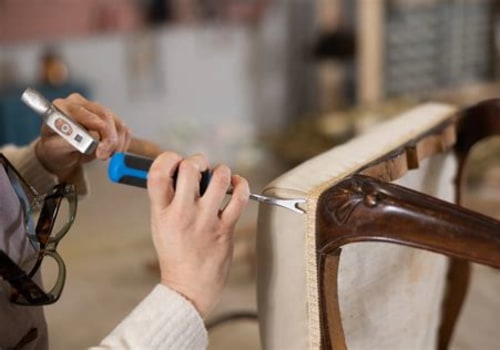
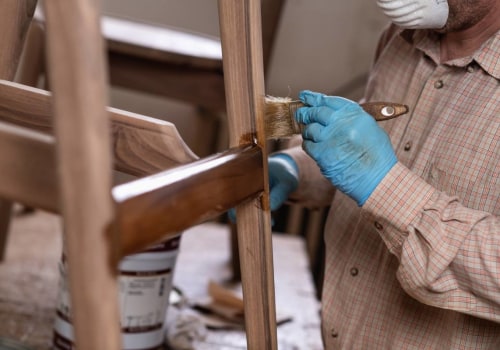
is a comprehensive approach that involves repairing, cleaning, and sometimes even reconstructing furniture to return it to its original condition. This process often requires a deep understanding of the piece's history, materials, and construction techniques.Restoration can include everything from fixing structural issues to replacing missing parts, ensuring that the furniture not only looks good but also functions as intended. On the other hand, furniture refinishing focuses primarily on the surface of the piece. This process typically involves stripping away old finishes, sanding down surfaces, and applying new stains or sealants to refresh the look of the furniture. While refinishing can dramatically improve the aesthetic appeal of a piece, it does not address underlying structural problems or historical accuracy. Understanding these differences is crucial for homeowners and collectors alike, as it influences how one approaches the care and maintenance of their furniture.
What is Furniture Restoration?
Furniture restoration is a meticulous process aimed at returning a piece of furniture to its original condition or enhancing its aesthetic appeal while preserving its historical integrity.Unlike refinishing, which primarily focuses on the surface, restoration encompasses a broader range of techniques that may involve repairing structural damage, replacing missing parts, and restoring original finishes.
The Furniture Restoration Process
The furniture restoration process typically involves several key steps:- Assessment: The first step is to evaluate the condition of the furniture. This includes identifying any damage, wear, or alterations that have occurred over time.
- Cleaning: Thorough cleaning is essential to remove dirt, grime, and old finishes. This step often involves using gentle solvents and brushes to avoid damaging the wood.
- Repairs: Structural repairs may be necessary, such as fixing loose joints, replacing broken legs, or re-gluing parts. This ensures the furniture is stable and functional.
- Refinishing: If needed, the piece may be stripped of its old finish and refinished with appropriate stains or paints that match the original look.
- Final Touches: Finally, protective coatings are applied to enhance durability and shine, ensuring the piece is ready for use.
Benefits of Furniture Restoration
The benefits of furniture restoration are numerous:- Preservation of History: Restoring furniture allows for the preservation of historical pieces that tell a story and hold sentimental value.
- Sustainability: By restoring rather than discarding old furniture, you contribute to environmental sustainability by reducing waste.
- Cost-Effectiveness: Restoration can be more economical than purchasing new high-quality furniture, especially for valuable antiques.
- Aesthetic Appeal: A well-restored piece can enhance the beauty of your home while maintaining its unique character.
Whether you are looking to restore a family heirloom or a vintage find, understanding this process can help you appreciate the value it brings to your living space.
What is Furniture Refinishing?
Furniture refinishing is a process that focuses on restoring the surface of furniture to its original beauty without altering its fundamental structure. This method is particularly popular for wooden pieces that have suffered from wear and tear, such as scratches, stains, or fading due to exposure to sunlight.The furniture refinishing process typically involves several key steps:- Assessment: The first step is to evaluate the condition of the furniture. This includes identifying any damage, such as deep scratches or water stains, and determining whether refinishing is the best option.
- Stripping: If the piece has an old finish, it may need to be stripped away using chemical strippers or sanding. This step is crucial for achieving a smooth surface for the new finish.
- Sanding: After stripping, sanding is performed to remove any remaining finish and to smooth out imperfections.
This step prepares the wood for staining or sealing.
- Staining and Finishing: Once sanded, the wood can be stained to enhance its natural color and grain. Finally, a protective finish, such as polyurethane or varnish, is applied to seal and protect the surface.
- Cost-Effective: Refinishing is often less expensive than purchasing new furniture, making it an economical choice for homeowners looking to refresh their decor.
- Sustainability: By refinishing existing furniture, you contribute to sustainability efforts by reducing waste and minimizing the demand for new materials.
- Customization: Refinishing allows for customization in terms of color and finish, enabling you to create a piece that perfectly matches your style.
- Preservation: This process helps preserve the integrity of antique or heirloom pieces, maintaining their value while enhancing their appearance.
Key Differences Between Furniture Restoration and Refinishing
Understanding the differences between furniture restoration and refinishing is crucial for anyone looking to enhance or preserve their furniture. While both processes aim to improve the appearance and longevity of furniture, they differ significantly in techniques, goals, and outcomes.Techniques Involved
Furniture restoration is a comprehensive process that often involves repairing structural damage, replacing missing parts, and restoring the original finish.This may include techniques such as:
- Re-gluing joints
- Replacing broken or missing hardware
- Using traditional methods to match the original finish
- Sanding down the existing finish
- Applying new stain or paint
- Sealing with a protective topcoat
Goals of Each Process
The goal of furniture restoration is to return the piece to its original state, preserving its historical value and integrity. This often means maintaining the original materials and craftsmanship as much as possible. In contrast, refinishing aims to refresh the look of the furniture, making it more visually appealing without necessarily preserving its historical aspects.When to Restore or Refinish Furniture
Deciding whether to restore or refinish furniture depends on several factors:- Condition: If the piece has significant structural damage or historical value, restoration is likely the better choice.
- Aesthetic Goals: If you simply want a new look without concern for historical accuracy, refinishing may suffice.
- Value Considerations: High-value antiques often warrant restoration to maintain their worth.
When to Choose Furniture Restoration Over Refinishing
Choosing between furniture restoration and refinishing can be a daunting task, especially if you're unsure of the condition of your piece.Here are some key scenarios where furniture restoration is the preferred option:
- Severe Damage: If your furniture has significant structural issues, such as broken legs, loose joints, or deep scratches, restoration is necessary to ensure the piece is safe and functional.
- Historical Value: For antiques or heirlooms, maintaining their original character is crucial. Restoration can help preserve the historical integrity of the piece while addressing any damage.
- Extensive Wear: If the finish is worn down to bare wood or if there are multiple layers of old paint that need to be removed, restoration may be more effective than simple refinishing.
- Material Considerations: Certain materials, like intricate carvings or inlays, may require specialized techniques that only restoration can provide.
- Visible Damage: Look for cracks, chips, or missing pieces that compromise the furniture's appearance and functionality.
- Pest Infestation: Signs of wood-boring insects or mold indicate that professional restoration is needed to treat and repair the damage.
- Unpleasant Odors: Musty smells can suggest underlying issues that require thorough cleaning and restoration.
Ultimately, understanding these distinctions will help you make an informed choice that aligns with your needs and expectations.
When to Choose Furniture Refinishing Over Restoration
When considering whether to refinish or restore your furniture, it’s essential to evaluate the condition of the piece and your desired outcome. Here are some key indicators that suggest refinishing may be the more suitable option:- Surface Damage: If your furniture has minor scratches, dents, or a worn finish but the underlying structure is sound, refinishing can effectively rejuvenate its appearance.
- Outdated Finish: When the original finish is outdated or no longer matches your decor, refinishing allows you to update the look without altering the piece's integrity.
- Cost-Effectiveness: Refinishing is often less expensive than full restoration. If you’re working with a limited budget, refinishing can provide a fresh look at a fraction of the cost.
- Time Constraints: Refinishing typically requires less time than restoration. If you need a quick turnaround, refinishing might be the best choice.
If your piece has significant structural damage, missing parts, or historical value that needs to be preserved, restoration is likely the better route. It’s crucial to assess not just the aesthetic needs but also the functional aspects of your furniture.Ultimately, choosing between refinishing and restoration depends on your specific situation. Consider factors such as the piece's condition, your budget, and how much time you can dedicate to the project. By understanding these elements, you can make an informed decision that enhances both the beauty and longevity of your furniture.
Common Myths About Furniture Restoration and Refinishing
When it comes to furniture restoration and refinishing, several myths can cloud the understanding of these processes.Addressing these misconceptions is crucial for anyone looking to maintain or enhance their furniture.
- Myth 1: Restoration and refinishing are the same. Many people believe that these terms are interchangeable. However, furniture restoration involves a comprehensive process that may include repairing structural damage, replacing missing parts, and restoring the original finish. In contrast, refinishing typically focuses on stripping away the old finish and applying a new one.
- Myth 2: Restoration is only for antique furniture. While it’s true that antique pieces often benefit from restoration, modern furniture can also require similar care. Any piece of furniture that shows signs of wear or damage can be restored to its former glory.
- Myth 3: Refinishing is a DIY project anyone can handle. Although some may feel confident in their DIY skills, refinishing requires specific knowledge and tools to achieve a professional look.
Improper techniques can lead to further damage, making it essential to consult with experts when necessary.
- Myth 4: All finishes are the same. Different types of finishes require different approaches for both restoration and refinishing. Understanding the specific finish on your furniture is vital for choosing the right method and products.
DIY vs Professional Services: What You Need to Know
When it comes to furniture restoration, one of the first decisions you’ll face is whether to tackle the project yourself or hire a professional. Each option has its own set of advantages and challenges, making it essential to weigh your skills, budget, and the specific needs of your furniture.DIY Furniture Restoration
For those with a knack for hands-on projects, DIY furniture restoration can be a rewarding experience.It allows you to personalize the process and potentially save money. However, it requires a certain level of skill and knowledge about materials and techniques. Here are some key points to consider:
- Cost-Effective: DIY projects often require only the cost of materials, which can be significantly less than hiring a professional.
- Skill Development: Engaging in restoration can enhance your woodworking skills and give you a sense of accomplishment.
- Time-Consuming: Restoring furniture yourself can take considerable time, especially if you are learning as you go.
- Quality Control: You have complete control over the quality of materials used and the final outcome.
Professional Furniture Refinishing Services
If you’re looking for a more polished finish or have a valuable piece that requires expert care, hiring a professional may be the best route. Here’s what to keep in mind:- Expertise: Professionals bring years of experience and specialized knowledge, ensuring high-quality results.
- Time Efficiency: Professionals can often complete projects faster than DIYers due to their experience and access to tools.
- Cost Considerations: While hiring professionals can be more expensive upfront, it may save you money in the long run by preventing costly mistakes.
- Insurance and Guarantees: Many professional services offer guarantees on their work, providing peace of mind.
Assessing these factors will help you make an informed decision that aligns with your goals for your furniture piece.
Conclusion: Making the Right Choice for Your Furniture Care Needs
In conclusion, understanding the differences between furniture restoration and refinishing is crucial for anyone looking to maintain or enhance their furniture's longevity and aesthetic appeal. While both processes aim to improve the appearance of furniture, they serve distinct purposes and involve different techniques.Furniture restoration
is a comprehensive approach that not only focuses on the visual aspects but also addresses structural integrity. This process often involves repairing damaged components, replacing missing parts, and using traditional methods to preserve the piece's historical value. On the other hand, refinishing is primarily concerned with the surface treatment, such as sanding and applying new finishes, which can rejuvenate the look of the furniture without delving into deeper repairs. When deciding between restoration and refinishing, consider the following:- Condition of the Furniture: If your piece has significant damage or historical value, restoration may be the better choice.
- Desired Outcome: For a quick aesthetic upgrade, refinishing might suffice.
- Budget Considerations: Restoration can be more costly due to the labor and materials involved.
Whether you opt for furniture restoration or refinishing, understanding these differences will help you achieve the best results while preserving the character and integrity of your cherished pieces.