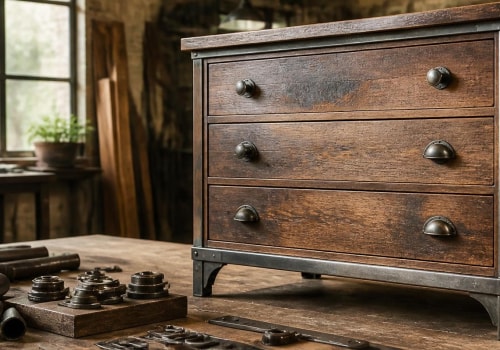
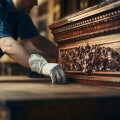
Furniture restoration is a meticulous process aimed at returning furniture to its original condition or enhancing its aesthetic appeal while preserving its historical significance. This practice involves various techniques and methods that address issues such as wear and tear, damage, and outdated styles. By understanding the definition of furniture restoration, one can appreciate its role not only in maintaining the beauty of furniture but also in extending its lifespan.The significance of furniture restoration lies in its ability to breathe new life into pieces that may have been neglected or damaged over time. Whether it’s a cherished family heirloom or a vintage find from a flea market, restoring furniture allows individuals to retain the character and stories embedded within these items.
This process often includes cleaning, repairing, refinishing, and sometimes reupholstering, ensuring that each piece is not only functional but also visually appealing.Moreover, furniture restoration serves an important environmental purpose by promoting sustainability. Instead of discarding old furniture and contributing to landfill waste, restoration encourages the reuse of materials and craftsmanship. This practice not only honors the artistry of past generations but also aligns with modern values of sustainability and conservation.
The Importance of Furniture Restoration
Furniture restoration is not just a trend; it is a vital practice that carries significant importance for both individuals and the environment. By choosing to restore rather than replace furniture, we can reap numerous benefits that extend beyond mere aesthetics.Environmental Benefits One of the most compelling reasons for engaging in furniture restoration is its positive impact on the environment.The furniture industry is a major contributor to waste, with millions of tons of discarded furniture ending up in landfills each year. By restoring old pieces, we reduce the demand for new materials, thereby conserving natural resources and minimizing our carbon footprint. This sustainable approach not only helps in reducing waste but also promotes a circular economy where products are reused and repurposed.Cost-Effectiveness Restoring furniture can also be a cost-effective solution compared to purchasing new items. High-quality vintage or antique furniture often has a unique character and craftsmanship that modern mass-produced items lack.
Investing in restoration can enhance the value of these pieces, making them not only functional but also valuable assets over time. Additionally, the costs associated with restoration are often significantly lower than buying new, especially when considering the longevity and durability of well-restored items.Sentimental Value Many people have furniture that holds sentimental value, such as heirlooms passed down through generations. Restoring these pieces allows individuals to preserve memories and family history while giving new life to cherished items. The emotional connection to restored furniture can enhance the overall ambiance of a home, making it feel more personal and inviting. In conclusion, the importance of furniture restoration lies in its multifaceted benefits—environmental sustainability, cost savings, and emotional significance.
By embracing restoration, we not only contribute positively to our surroundings but also create spaces that reflect our values and history.
Common Techniques Used in Furniture Restoration
When it comes to furniture restoration, several techniques can be employed to breathe new life into old or damaged pieces. Understanding these methods can help you make informed decisions about how to restore your furniture effectively.Refinishing
Refinishing is one of the most common techniques used in furniture restoration. This process involves stripping the old finish from the wood, sanding it down, and applying a new stain or sealant. Refinishing not only enhances the appearance of the furniture but also protects it from future wear and tear.It’s particularly effective for wooden pieces that have lost their luster over time.
Reupholstering
Reupholstering is another popular method, especially for upholstered furniture like chairs and sofas. This technique involves removing the old fabric and padding, then replacing them with new materials. Reupholstering allows you to customize the look of your furniture while ensuring comfort and durability. It’s an excellent option for pieces that are structurally sound but have outdated or damaged upholstery.Repairing
Repairing is essential in any restoration project, as it addresses structural issues that may compromise the integrity of the furniture.This can include fixing broken legs, reinforcing joints, or replacing missing parts. Skilled craftsmen often use techniques such as doweling or gluing to ensure that repairs are both strong and discreet.
Painting
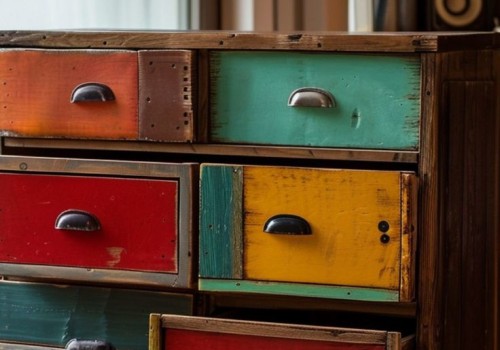
Painting is a versatile technique that can transform the look of furniture dramatically. Whether you choose a bold color or a soft pastel, painting can modernize vintage pieces and make them more appealing in contemporary settings. Before painting, it’s crucial to prepare the surface properly by cleaning and priming to ensure a smooth finish.Each of these furniture restoration techniques offers unique benefits and can be tailored to suit individual preferences and needs.By understanding these methods, you can choose the best approach for your restoration project, ensuring that your furniture not only looks great but also lasts for years to come.
Step-by-Step Guide to Restoring Furniture
Restoring furniture can be a rewarding project that breathes new life into old pieces. Whether you’re looking to restore a family heirloom or simply want to revamp a thrift store find, following a step-by-step guide can make the process smoother and more enjoyable.Here’s a comprehensive DIY furniture restoration guide to help you get started:- Assess the Condition: Before diving in, examine the piece thoroughly. Look for structural issues, such as loose joints or broken parts, and note any scratches, stains, or worn finishes.
- Gather Your Tools: Essential tools for furniture restoration include:
- Screwdriver
- Saw (if needed for repairs)
- Sanding block or electric sander
- Wood glue
- Paintbrushes or foam applicators
- Stain or paint of your choice
- Clear finish (polyurethane or wax)
- Disassemble if Necessary: If your furniture has multiple components, carefully disassemble it. This will make it easier to work on each part individually.
- Repair Structural Issues: Use wood glue to fix any loose joints.
For broken pieces, you may need to replace sections or use clamps to hold them together while drying.
- Sanding: Sand the entire surface to remove old finish and smooth out imperfections. Start with coarse sandpaper and gradually move to finer grits for a polished look.
- Staining or Painting: Apply your chosen stain or paint evenly. If staining, consider applying multiple coats for a deeper color. Allow adequate drying time between coats.
- Finishing Touches: Once the stain or paint is dry, apply a clear finish to protect your work.
This step is crucial for durability and maintaining the beauty of your restored furniture.
- Reassemble and Enjoy: After everything is dry, carefully reassemble your furniture. Take a moment to admire your hard work and enjoy your newly restored piece!
Choosing the Right Materials for Restoration
When embarking on a furniture restoration project, selecting the right materials is crucial for achieving a successful outcome. The choice of materials not only affects the aesthetic appeal but also the durability and sustainability of the restored piece.Types of Materials Used in Furniture Restoration
- Wood: The backbone of most furniture, wood types such as oak, maple, and cherry are popular choices due to their strength and beauty.
When restoring, it’s essential to match the original wood type for a seamless finish.
- Veneer: Often used to cover less attractive woods, veneer can provide a high-end look at a lower cost. Ensure that the veneer is of high quality to avoid peeling or warping over time.
- Upholstery Fabrics: For upholstered pieces, selecting durable fabrics like canvas or leather is important. Consider eco-friendly options such as organic cotton or recycled materials for a sustainable approach.
- Finishes: The finish can make or break a restoration project. Options include oil, lacquer, and water-based finishes.
Each has its own application method and drying time, so choose one that suits your project needs.
Choosing Quality and Sustainable Materials
When selecting materials for furniture restoration, prioritize quality over cost. High-quality materials not only enhance the appearance but also extend the life of the furniture. Additionally, consider sustainability; using reclaimed wood or eco-friendly finishes can reduce your environmental impact while preserving the charm of vintage pieces.In summary, understanding the types of materials available and their respective qualities will empower you to make informed decisions during your furniture restoration journey. By focusing on both quality and sustainability, you can create beautiful, lasting pieces that honor their original craftsmanship while contributing positively to the environment.Hiring a Professional vs.
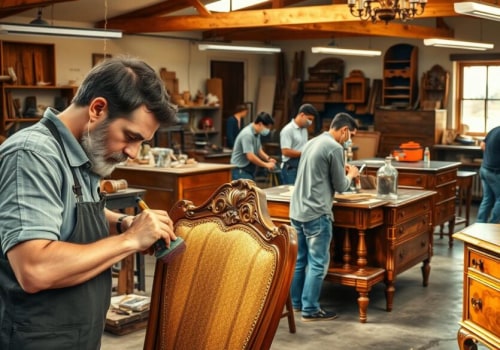
DIY RestorationWhen it comes to furniture restoration, one of the first decisions you’ll face is whether to hire a professional or tackle the project yourself. Each option has its own set of advantages and disadvantages that can significantly impact the outcome of your restoration efforts.
Pros of Hiring a Professional
- Expertise: Professionals bring years of experience and specialized knowledge to the table, ensuring that your furniture is restored using the best techniques and materials.
- Quality Results: With their skills, professionals can often achieve a level of finish and detail that may be difficult for a novice to replicate.
- Time-Saving: Hiring a professional can save you time, allowing you to focus on other important tasks while your furniture is being expertly restored.
- Access to Tools: Professionals have access to specialized tools and equipment that may not be available to the average DIYer, which can enhance the quality of the restoration.
Cons of Hiring a Professional
- Cost: Professional services can be expensive, which may not fit into everyone's budget.
- Lack of Personal Touch: You may not have as much control over the final outcome, as professionals will often have their own methods and styles.
Pros of DIY Restoration
- Cost-Effective: Doing it yourself can save you money, especially if you already have some tools and materials on hand.
- Personal Satisfaction: Completing a restoration project on your own can be incredibly rewarding and allows for a personal touch in the final product.
- Learning Experience: DIY restoration provides an opportunity to learn new skills and techniques that can be applied to future projects.
Cons of DIY Restoration
- Time-Consuming: Restoring furniture yourself can take significantly longer than hiring a professional, especially if you are learning as you go.
- Risk of Damage: Without proper knowledge and experience, there’s a risk of causing further damage to your furniture, which could lead to more costly repairs down the line.
Frequently Asked Questions about Furniture Restoration
When it comes to furniture restoration, many people have questions about the process, costs, and outcomes. Here are some of the most frequently asked questions:- What is furniture restoration?
Furniture restoration is the process of repairing and rejuvenating old or damaged furniture to bring it back to its original condition or enhance its aesthetic appeal.This can involve refinishing surfaces, repairing structural issues, and replacing missing parts.
- How much does furniture restoration cost?
The cost of furniture restoration can vary widely depending on the extent of the damage, the type of furniture, and the materials needed for repairs. On average, you might expect to pay anywhere from $100 to $1,000 or more for professional services. - Can I restore furniture myself?
Yes, many people choose to undertake furniture restoration as a DIY project. However, it requires a certain level of skill and knowledge about materials and techniques. For beginners, starting with smaller pieces or simple repairs is advisable. - What types of furniture can be restored?
Almost any type of furniture can be restored, including wooden tables, chairs, cabinets, and upholstered items.However, the feasibility of restoration depends on the condition of the piece and the materials used.
- How long does the restoration process take?
The duration of furniture restoration varies based on the complexity of the project. Simple repairs may take a few hours or days, while extensive restorations can take weeks or even months.
Conclusion: The Value of Restoring Your Furniture
In conclusion, furniture restoration is not merely a process of repairing or refurbishing old pieces; it is an art that breathes new life into cherished items. Throughout this article, we have explored the various aspects of furniture restoration, from understanding its significance to the techniques involved in the process.One of the most compelling reasons to consider restoring your furniture is the potential for sustainability. By choosing to restore rather than replace, you are making an environmentally conscious decision that reduces waste and promotes the longevity of quality materials.This practice not only preserves the craftsmanship of older pieces but also contributes to a more sustainable future.Additionally, furniture restoration allows you to maintain a connection to your personal history. Family heirlooms or vintage finds often carry stories and memories that can be preserved through careful restoration. Each scratch and dent tells a tale, and restoring these pieces can help keep those stories alive for future generations.Moreover, investing in furniture restoration can significantly enhance the aesthetic appeal of your home. A beautifully restored piece can serve as a stunning focal point, adding character and charm to any room.
It also provides an opportunity to customize your furniture according to your style preferences, ensuring that it complements your existing decor.Ultimately, whether you are looking to restore a beloved family piece or a unique find from a thrift store, the benefits of furniture restoration are clear. It is a worthwhile endeavor that combines creativity, sustainability, and personal connection. We encourage you to explore this rewarding journey and consider how restoring your furniture can enrich your living space and preserve history.