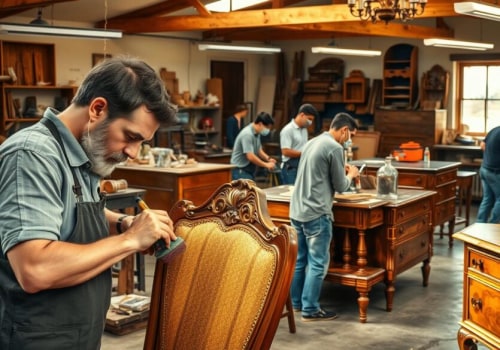
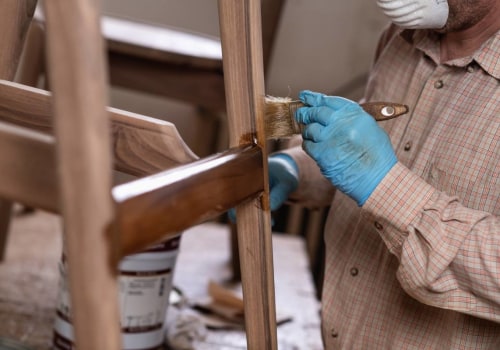
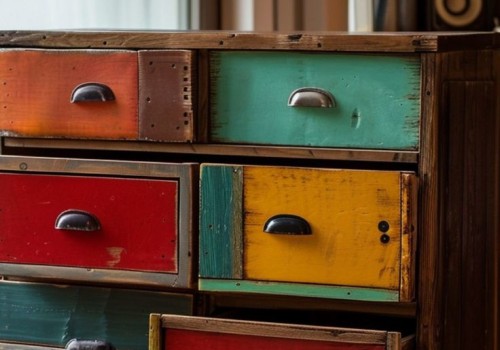
Furniture restoration is a meticulous process that breathes new life into worn or damaged pieces, transforming them into functional and aesthetically pleasing items once again. This practice not only preserves the history and craftsmanship of the furniture but also allows individuals to maintain a connection to their past. Whether it’s an antique heirloom or a vintage find from a flea market, understanding furniture restoration is essential for anyone considering whether to invest time and resources into reviving a piece. The significance of furniture restoration extends beyond mere aesthetics. Restoring furniture can enhance its durability, making it more usable for years to come.
Additionally, the environmental benefits of restoring rather than discarding furniture cannot be overlooked; it reduces waste and promotes sustainability by keeping materials out of landfills. Furthermore, restored furniture often carries a unique charm that mass-produced items lack, offering character and individuality to any space. As you embark on your journey to evaluate whether a piece of furniture is worth restoring, it’s crucial to consider both its sentimental value and its potential for practical use. By understanding the fundamentals of furniture restoration, you can make informed decisions that not only honor the craftsmanship of the past but also enhance your living environment today.
Assessing the Condition of the Furniture
When considering furniture restoration, the first step is to thoroughly assess the condition of the piece. This evaluation will help you determine whether the furniture is worth the time, effort, and investment required for restoration.Evaluating Structural Integrity
Start by examining the structural integrity of the furniture.Check for any signs of instability, such as:
- Loose joints: Gently shake or wiggle the furniture to see if any parts feel wobbly or disconnected.
- Creaking sounds: Listen for unusual noises when moving or sitting on the piece, which may indicate weakened joints.
- Uneven legs: Ensure that all legs are even and stable; a wobbly chair or table can be a sign of deeper issues.
Identifying Surface Damage
Next, inspect the surface for any visible damage. Look for:- Scratches and dents: Minor scratches can often be repaired easily, but deep dents may require more extensive work.
- Water damage: Check for stains or warping that could indicate exposure to moisture, which can compromise the material.
- Peeled or chipped finish: A damaged finish can detract from the piece's appearance but may be restorable with refinishing.
Signs of Wear
Finally, consider any signs of general wear that could affect the restoration process:- Fading colors: If the original color has significantly faded, you may need to refinish or repaint to restore its beauty.
- Upholstery condition: For upholstered pieces, check for tears, stains, or sagging fabric that may require reupholstering.
- Pest damage: Look for signs of insects or rodents, such as holes or droppings, which can indicate a need for professional treatment.
Identifying the Furniture's Age and Style
When considering furniture restoration, one of the first steps is to identify the piece's age and style. Understanding these factors can significantly influence its value and the decision to restore it.How to Identify Antique Furniture
- Look for Labels or Stamps: Many antique pieces have labels or stamps from manufacturers that can help date them.
Researching these can provide insight into the era and style.
- Examine Construction Techniques: Older furniture often features joinery techniques like dovetail joints, which are less common in modern pieces. This can be a strong indicator of age.
- Check Materials: Antique furniture is typically made from solid wood rather than composite materials. Identifying the type of wood can also help date the piece.
Understanding Furniture Styles and Periods
Different styles and periods have distinct characteristics that can help you assess a piece's value:
- Colonial (1600-1800): Characterized by simplicity and functionality, often made from local woods.
- Federal (1780-1820): Known for its elegance, featuring inlays and tapered legs.
- Victorian (1837-1901): Marked by ornate details, dark woods, and rich fabrics.
- Mid-Century Modern (1945-1969): Emphasizes clean lines, organic forms, and minimal ornamentation.
Always consider consulting with an expert if you're unsure about the age or style of your furniture, as their insights can guide your restoration decisions effectively.
Evaluating Historical Significance
When considering furniture restoration, one of the most critical factors to evaluate is the historical significance of the piece. Understanding its background can greatly influence not only its monetary value but also its sentimental worth. Historical furniture often carries stories and craftsmanship that reflect the era in which it was made, making it a valuable artifact rather than just a functional item.Why History Matters in Restoration
- Authenticity: Restoring a piece with historical significance requires a careful approach to maintain its original character. Authentic materials and techniques should be used to preserve its integrity.
- Value Appreciation: Furniture with a rich history often appreciates in value over time.
Collectors and enthusiasts are typically willing to pay a premium for pieces that tell a story or represent a specific period.
- Cultural Heritage: Restoring historically significant furniture contributes to preserving cultural heritage. Each piece serves as a tangible connection to the past, allowing future generations to appreciate and learn from it.
- Provenance: Research the history of the piece. Knowing who owned it, where it was made, and its journey can add layers of significance.
- Style and Period: Identify the style and period of the furniture. Certain styles, like Victorian or Art Deco, may have more historical importance than others.
- Condition: Evaluate how much of the original material and craftsmanship remains intact.
A well-preserved piece is often more valuable than one that has been heavily altered.
Calculating Restoration Costs vs. Value
When considering furniture restoration, one of the most critical steps is to calculate the potential costs involved and weigh them against the expected value of the restored piece. This process can help you determine whether the investment is worthwhile.Estimating Restoration Costs
The first step in this evaluation is to estimate the cost of furniture restoration.This can vary significantly based on several factors:
- Condition of the Furniture: Assess how much work is needed. Minor repairs will cost less than extensive restorations.
- Materials Required: High-quality materials can increase costs, but they may also enhance the final value.
- Labor Costs: If you hire a professional, labor can be a significant part of your budget. DIY restoration can save money but requires time and skill.
- Type of Restoration: Different types of restoration (e.g., refinishing, reupholstering, structural repairs) come with varying price tags.
Comparing Costs to Value
Once you have a clear estimate of restoration costs, it’s essential to compare this with the potential value of the piece after restoration. Here are some tips to guide your assessment:- Market Research: Look for similar pieces in restored condition to gauge their selling prices.
Online marketplaces and antique shops can provide valuable insights.
- Sentimental Value: Sometimes, a piece may hold personal significance that outweighs its market value. Consider how much you are willing to invest emotionally and financially.
- Future Value: Consider whether the piece has the potential to appreciate over time. Antique or rare items often increase in value, making restoration a more attractive option.
DIY vs.
Professional Restoration: Making the ChoiceWhen it comes to furniture restoration, one of the first decisions you’ll face is whether to tackle the project yourself or hire a professional. Each option has its own set of advantages and disadvantages, and understanding these can help you make an informed choice.
DIY Furniture Restoration Tips
- Assess Your Skills: Before diving into a DIY project, evaluate your own skills and experience. If you have a background in woodworking or crafting, you may feel confident taking on minor repairs and refinishing.
- Start Small: If you’re new to restoration, consider starting with smaller pieces or less complex projects. This will allow you to build your skills without overwhelming yourself.
- Research Techniques: There are countless resources available online, including tutorials and videos, that can guide you through various restoration techniques.
Familiarize yourself with the tools and materials needed for your specific project.
- Know When to Stop: If you find yourself struggling or the piece requires more work than anticipated, it may be time to reconsider your approach.
When to Hire a Professional for Restoration
- High Value Pieces: If the furniture is an antique or holds significant monetary or sentimental value, hiring a professional is often the best choice. Their expertise can ensure that the piece is restored correctly without diminishing its value.
- Complex Repairs: For pieces that require extensive repairs, such as structural issues or intricate detailing, a professional’s skills can save you time and frustration.
- Lack of Time: If your schedule is packed and you don’t have the time to dedicate to a restoration project, hiring a professional can be a practical solution.
- Quality Assurance: Professionals often have access to high-quality materials and tools that may not be available to the average DIYer, ensuring a more durable and aesthetically pleasing result.
Common Mistakes to Avoid in Furniture Restoration
When embarking on a furniture restoration project, it's easy to fall into common traps that can lead to disappointing results. Here are some mistakes to avoid to ensure your restoration efforts are successful.- Skipping Research: Before starting, it's crucial to understand the history and value of the piece.
Researching the manufacturer, style, and materials can guide your restoration choices and help maintain the item's integrity.
- Using Inappropriate Materials: One of the biggest mistakes is using modern materials that don't match the original. For instance, using a synthetic finish on a vintage piece can detract from its authenticity. Always opt for materials that are period-appropriate.
- Over-Restoring: While it might be tempting to make a piece look brand new, over-restoring can strip away its character and history. Aim for a balance that preserves the original charm while enhancing functionality.
- Neglecting Structural Issues: Focusing solely on aesthetics can lead to overlooking critical structural repairs.
Ensure that joints are secure and any damage is addressed before applying finishes or paint.
- Rushing the Process: Restoration is an art that requires patience. Rushing through steps can lead to mistakes that are costly to fix later. Take your time to ensure each phase is completed thoroughly.
FAQs About Furniture Restoration Worthiness
Determining whether a piece of furniture is worth restoring can be a nuanced process.Here are some frequently asked questions that can guide you in making this decision.
Is my furniture worth restoring?
To assess if your furniture is worth restoring, consider the following:- Condition: Evaluate the overall condition of the piece. Minor scratches or worn upholstery may be easily fixed, while extensive damage like broken frames or severe rot could be more challenging and costly to repair.
- Sentimental Value: If the furniture has personal significance, it may be worth restoring regardless of its market value.
- Market Demand: Research similar pieces to see if there is a demand for them. Antique or vintage items often have a higher restoration value.
How to tell if furniture is valuable?
To determine the value of your furniture, consider these factors:- Age: Older pieces, especially those from recognized periods or styles, tend to have higher value.
- Maker: Furniture made by well-known manufacturers or designers often commands a premium price.
- Materials: High-quality materials such as solid wood, leather, or unique finishes can increase a piece's value.
What makes furniture worth restoring?
A few key elements can indicate that a piece is worth the effort and investment of restoration:- Craftsmanship: Well-crafted furniture with intricate details or joinery is often worth restoring due to its potential longevity and aesthetic appeal.
- Rarity: Unique or rare pieces are more likely to appreciate in value after restoration.
- Historical Significance: Items with historical importance or provenance can be valuable both monetarily and culturally.
Conclusion: Making Informed Decisions on Furniture Restoration
In conclusion, determining whether a piece of furniture is worth restoring involves a careful evaluation of several key factors. By considering the condition of the item, its historical significance, and your personal attachment to it, you can make a more informed decision. First and foremost, assess the structural integrity of the furniture.If it is fundamentally sound, with minimal damage to joints or essential components, restoration may be a worthwhile investment. Conversely, if the piece is severely compromised, it might be better to repurpose or recycle it. Next, consider the style and era of the furniture. Items that are representative of a particular design movement or period often hold more value and can be more rewarding to restore. Researching similar pieces can provide insight into their market value and desirability. Your budget for restoration is another critical factor.
Restoration can be costly, and it’s essential to weigh these expenses against the potential increase in value. If the costs outweigh the benefits, it may not be worth pursuing. Lastly, reflect on your emotional connection to the piece. If it holds sentimental value or has been passed down through generations, investing in its restoration could be meaningful beyond monetary considerations. Ultimately, making an informed decision about furniture restoration requires a balance of practical assessment and personal values. By taking these factors into account, you can ensure that your efforts lead to a rewarding outcome.