Furniture restoration is an art that breathes new life into worn or damaged pieces, transforming them into stunning focal points in your home. Whether it’s a cherished heirloom or a thrift store find, furniture restoration allows you to preserve the history and character of each item while enhancing its functionality and aesthetic appeal. This process not only revives the beauty of furniture but also fosters a deeper connection to the items we choose to surround ourselves with. At its core, furniture restoration involves repairing, refinishing, and rejuvenating furniture to restore it to its original glory or to give it a fresh, modern twist. For those who may feel intimidated by the idea of tackling such a project without prior experience, it’s important to understand that DIY furniture restoration is accessible to anyone willing to learn.
With the right tools, materials, and a bit of patience, even beginners can achieve impressive results. The satisfaction derived from successfully restoring a piece of furniture is unparalleled. Not only do you gain a unique item that reflects your personal style, but you also engage in a rewarding process that promotes sustainability by reducing waste. As you embark on your journey into the world of furniture restoration, you’ll discover that each project is an opportunity for creativity and self-expression, making it a fulfilling endeavor for both novice and seasoned DIY enthusiasts alike.
Assessing Your Furniture: Is It Worth Restoring?
Before diving into furniture restoration, it’s essential to assess whether your piece is worth the effort and investment. Here are some key factors to consider:- Structural Integrity: Check for any signs of damage that affect the stability of the furniture.
Look for loose joints, broken legs, or sagging surfaces. If the structure is compromised, restoration may not be feasible.
- Material Quality: Identify the materials used in your furniture. Solid wood pieces are often more valuable and worth restoring compared to particleboard or laminate. High-quality materials can withstand restoration processes better.
- Historical Value: Consider the age and provenance of the furniture.
Antique or vintage pieces often have a higher value and significance, making them prime candidates for restoration.
- Cosmetic Condition: Evaluate the surface for scratches, dents, or stains. Minor cosmetic issues can often be repaired with refinishing or reupholstering, while extensive damage may require more intensive work.
- If it has sentimental value or a unique story.
- If it features intricate craftsmanship or design elements that are hard to find in modern furniture.
- If it can be easily repaired without extensive costs.
Essential Tools and Materials for DIY Furniture Restoration
When embarking on a furniture restoration project, having the right tools and materials is crucial for achieving professional-looking results, even if you have no prior experience. Below is a list of essential items that will help you get started.Essential Tools
- Screwdriver Set: A basic set of screwdrivers (both flathead and Phillips) is necessary for disassembling furniture and making adjustments.
- Sandpaper: Various grits of sandpaper (from coarse to fine) are essential for smoothing surfaces and preparing them for finishing.
- Paintbrushes and Rollers: Depending on your project, a variety of brushes and rollers will help you apply paint or stain evenly.
- Putty Knife: This tool is useful for applying wood filler to repair scratches or dents in the furniture.
- Clamps: Clamps are vital for holding pieces together while glue dries, ensuring a strong bond.
Materials Needed
- Wood Glue: A high-quality wood glue is essential for repairing joints and cracks in wooden furniture.
- Wood Filler: This material helps to fill in holes or imperfections before painting or staining.
- Stain or Paint: Choose a color that complements your decor; stains enhance the natural beauty of wood, while paint can give a fresh look.
- Finish (Varnish or Polyurethane): A protective finish will seal your work and enhance durability, making it resistant to wear and tear.
Remember, preparation is key to a successful restoration, so take the time to gather everything you need before you start!
Step-by-Step Guide to Restoring Different Types of Furniture
Restoring furniture can seem daunting, especially if you have no prior experience. However, with the right guidance, you can successfully restore various types of furniture. Below is a step-by-step guide tailored for wood furniture and upholstered furniture.How to Restore Wood Furniture
- Assess the Condition: Examine the piece for scratches, dents, or loose joints. Take note of any areas that need special attention.
- Clean the Surface: Use a soft cloth and a mixture of mild soap and water to clean the wood.
Avoid soaking the wood; just dampen the cloth.
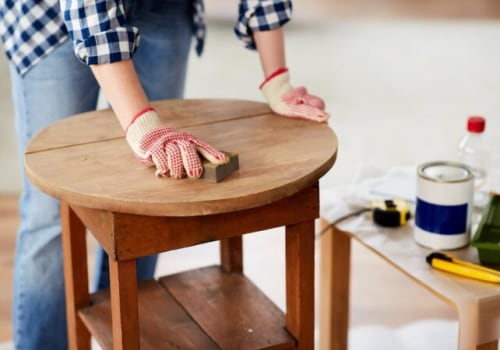
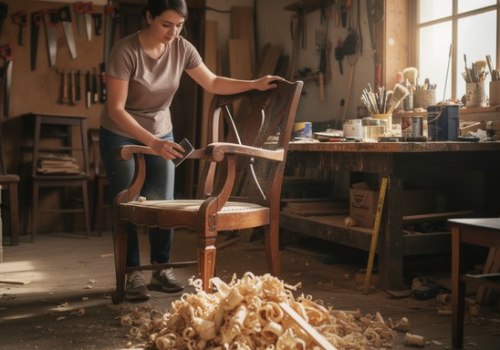
- Sand the Surface: Lightly sand the wood using fine-grit sandpaper to remove old finishes and smooth out imperfections. Always sand in the direction of the grain.
- Apply Stain or Paint: Choose a stain or paint that matches your desired finish. Apply it evenly with a brush or cloth, following the manufacturer’s instructions.
- Seal the Finish: Once dry, apply a clear sealant to protect your work. Polyurethane is a popular choice for durability.
Restoring Upholstered Furniture
- Evaluate the Fabric: Check for tears, stains, or wear.
If the fabric is too damaged, consider reupholstering.
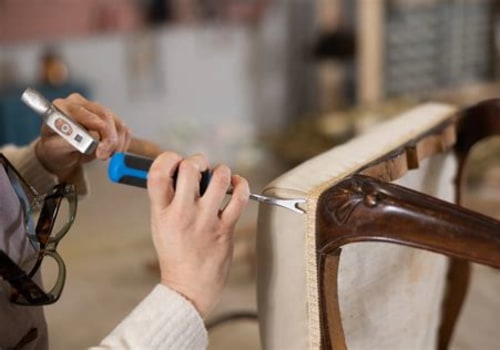
- Remove Old Upholstery: Carefully take off the old fabric using a staple remover or flathead screwdriver. Keep track of how it was attached for reference.
- Repair Any Damage: Fix any structural issues with the frame or padding before adding new upholstery.
- Select New Fabric: Choose a durable fabric that suits your style. Make sure it’s appropriate for furniture use.
- Reupholster: Cut the new fabric to size and attach it securely using staples or upholstery tacks, following your notes from disassembly.
Common Mistakes to Avoid in Furniture Restoration
When embarking on a furniture restoration project, beginners often encounter several common pitfalls that can lead to frustration and unsatisfactory results.Understanding these mistakes can help you navigate the restoration process more smoothly.
- Skipping Preparation: One of the most significant mistakes is diving into the project without proper preparation. Always start by cleaning the piece thoroughly and assessing its condition. This step is crucial for identifying any repairs needed before applying paint or stain.
- Using Incorrect Tools: Using the wrong tools can lead to damage or an incomplete job. Invest in quality tools that are appropriate for your specific project, such as sanders, brushes, and clamps.
This will ensure a more professional finish.
- Neglecting Safety Precautions: Many DIYers overlook safety measures. Always wear protective gear, such as gloves and masks, especially when working with chemicals or power tools. This not only protects you but also ensures a safer working environment.
- Rushing the Process: Restoration is not a race. Rushing through steps like sanding or drying can result in poor adhesion of finishes or uneven surfaces.
Take your time to allow each layer to dry completely before moving on to the next step.
- Ignoring Manufacturer Instructions: If you're using commercial products like stains or finishes, always read and follow the manufacturer’s instructions. Ignoring these guidelines can lead to unexpected results and may even ruin your project.
- Overestimating Your Skills: It’s easy to feel confident, but overestimating your abilities can lead to costly mistakes. Start with simpler projects to build your skills before tackling more complex restorations.
Tips for Beginners: Making the Most of Your First Project
Starting your journey in furniture restoration can be both exciting and daunting, especially if you have no prior experience.However, with the right approach and mindset, you can successfully complete your first project. Here are some practical tips to help you get started:
- Choose the Right Project: Begin with a simple piece of furniture, such as a small chair or a side table. Avoid complex items like large cabinets or intricate antiques until you gain more confidence.
- Research and Plan: Before diving in, spend some time researching the specific restoration techniques for your chosen piece. Watch tutorial videos, read articles, and gather as much information as possible to understand the process.
- Gather Your Tools: Invest in basic tools such as sandpaper, wood glue, paintbrushes, and a good quality finish.
Having the right tools will make your project smoother and more enjoyable.
- Take Your Time: Rushing through your first project can lead to mistakes. Allow yourself plenty of time to complete each step thoroughly. Patience is key in furniture restoration.
- Don’t Be Afraid to Make Mistakes: Mistakes are part of the learning process. If something doesn’t turn out as planned, assess what went wrong and learn from it.
Each error is an opportunity for growth.
- Ask for Help: Don’t hesitate to reach out to experienced restorers or join online forums. The community is often willing to share tips and advice that can help you overcome challenges.
- Enjoy the Process: Remember that furniture restoration is not just about the end result; it’s also about enjoying the creative process. Take pride in your work and celebrate small victories along the way.
Frequently Asked Questions About Furniture Restoration
When it comes to furniture restoration, many beginners have questions that can help demystify the process.Here are some of the most frequently asked questions:
- Do I need special skills to restore furniture? No prior experience is necessary, but having a basic understanding of tools and techniques can be beneficial. Many resources, including online tutorials and workshops, can help you learn the basics.
- What tools do I need for DIY furniture restoration? Essential tools include sandpaper, a paintbrush, wood glue, clamps, and a finish of your choice (like paint or stain). As you progress, you may want to invest in more specialized tools.
- How do I determine if a piece of furniture is worth restoring? Consider the piece's condition, sentimental value, and potential cost of restoration. If it has solid construction and unique features, it may be worth the effort.
- What are common mistakes to avoid in furniture restoration? Avoid rushing the process.
Take your time with each step, especially when sanding and applying finishes. Additionally, ensure you use the right products for the type of wood.
- Can I restore furniture without stripping old paint or finish? Yes! In many cases, you can simply clean and repaint or refinish over existing layers. However, if the old finish is damaged or peeling, stripping may be necessary for a smooth result.
Conclusion: Embracing Your Furniture Restoration Journey
In conclusion, furniture restoration is not just a task reserved for seasoned professionals; it is an exciting journey that anyone can embark on, regardless of their prior experience.Throughout this article, we have explored the essential steps and techniques involved in restoring furniture, emphasizing that with the right mindset and resources, you can transform old pieces into stunning focal points in your home.Here are some key takeaways to remember:
- Start Small: Choose a simple project to build your confidence. A small side table or a chair can be a great starting point.
- Research and Plan: Take the time to learn about the specific materials and techniques needed for your project. Online tutorials and community forums can be invaluable resources.
- Gather the Right Tools: Invest in basic tools such as sandpaper, paintbrushes, and wood glue. Having the right equipment will make the process smoother.
- Be Patient: Restoration takes time.
Don’t rush through the process; enjoy each step as you see your piece come to life.
- Celebrate Your Progress: Every small victory counts. Whether it’s successfully stripping old paint or applying a fresh coat of stain, take pride in your accomplishments.
You might just discover a new passion along the way!.