Furniture restoration is a meticulous process that involves repairing, refinishing, and rejuvenating furniture pieces to restore their original beauty and functionality. This practice not only enhances the aesthetic appeal of furniture but also extends its lifespan, making it a sustainable choice in an age where consumerism often leads to the disposal of items that could be preserved. Understanding what furniture restoration entails is crucial for anyone looking to maintain heirlooms or invest in quality pieces that tell a story.The importance of furniture restoration cannot be overstated. It serves as a bridge between the past and present, allowing us to cherish the craftsmanship of earlier eras while adapting these pieces to modern living.
By engaging in restoration, we honor the artisans who created these items and contribute to a more sustainable future by reducing waste. Moreover, well-restored furniture can significantly increase in value, making it not just a labor of love but also a wise financial decision.As we delve deeper into this topic, it’s essential to explore alternatives to traditional methods of restoration. While conventional techniques have their merits, innovative approaches are emerging that offer unique benefits and cater to diverse needs. These alternatives not only challenge the status quo but also provide exciting opportunities for creativity and personalization in the world of furniture restoration.
Traditional Furniture Restoration Methods
When discussing traditional furniture restoration methods, it is essential to understand the common techniques that have been employed for centuries.These methods often focus on preserving the original integrity and aesthetic of the piece while addressing damage and wear.
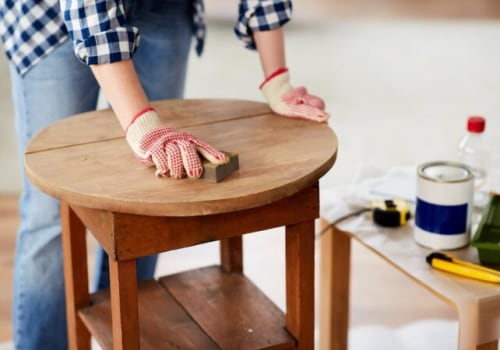
- Stripping and Refinishing: One of the most prevalent techniques involves stripping old finishes using chemical strippers or sanding. This process allows restorers to apply a new finish that enhances the wood's natural beauty.
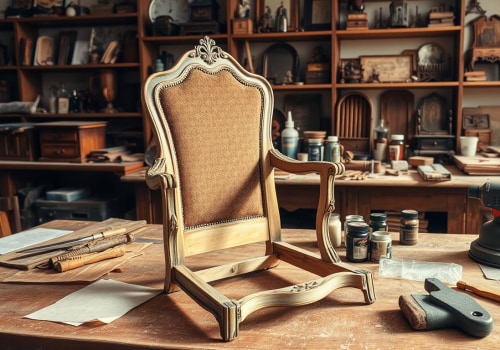
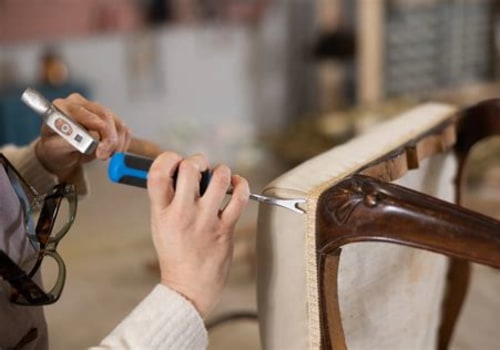
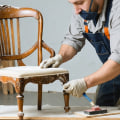
- Reupholstering: For upholstered furniture, reupholstering is a common method. This involves removing old fabric and padding, then replacing them with new materials to restore comfort and appearance.
- Repairing Joints: Furniture often suffers from loose joints over time. Traditional methods include gluing, doweling, or using wooden pegs to reinforce these connections, ensuring the piece remains sturdy.
- Veneer Replacement: In cases where veneer is damaged, traditional restorers may carefully remove the damaged sections and replace them with new veneer, matching the grain and color as closely as possible.
- Polishing: Regular polishing with wax or oil can help maintain the finish of wooden furniture, enhancing its luster and providing a protective layer against moisture and dirt.
As a result, many restorers are exploring alternatives that offer quicker, more efficient solutions without compromising quality.
Eco-Friendly Alternatives to Furniture Restoration
As the demand for eco-friendly furniture restoration grows, many individuals are seeking sustainable methods that not only preserve the beauty of their furniture but also protect the environment. Traditional restoration techniques often involve harmful chemicals and processes that can be detrimental to both health and nature. Fortunately, there are several innovative alternatives that prioritize sustainability.- Natural Finishes: Instead of using synthetic varnishes and paints, consider using natural oils, such as linseed oil or tung oil. These options provide a protective finish while being biodegradable and non-toxic.
- Reclaimed Materials: Incorporating reclaimed wood or other materials into your restoration project not only reduces waste but also adds unique character to your furniture.
This method emphasizes the importance of reusing resources rather than sourcing new ones.
- Eco-Friendly Adhesives: When repairing furniture, opt for water-based or plant-based adhesives instead of traditional epoxy or polyurethane glues. These alternatives are less harmful to the environment and often just as effective.
- DIY Techniques: Embracing do-it-yourself methods can significantly reduce the carbon footprint associated with furniture restoration. Simple techniques like sanding, painting with natural pigments, or reupholstering with organic fabrics can breathe new life into old pieces without relying on commercial products.
By adopting these sustainable methods for restoring furniture, you not only enhance your living space but also make a positive impact on the planet.
DIY Furniture Restoration Techniques
For homeowners looking to breathe new life into their furniture without the expense of professional services, DIY furniture restoration offers a rewarding and cost-effective solution. Here are some effective do-it-yourself furniture repair methods that can transform your pieces with minimal investment.1.Cleaning and Polishing
Before diving into more complex restoration techniques, start with a thorough cleaning. Use a mixture of warm water and mild soap to remove dirt and grime. For wooden surfaces, follow up with a quality wood polish to enhance the natural shine.2.Repairing Scratches and Dents
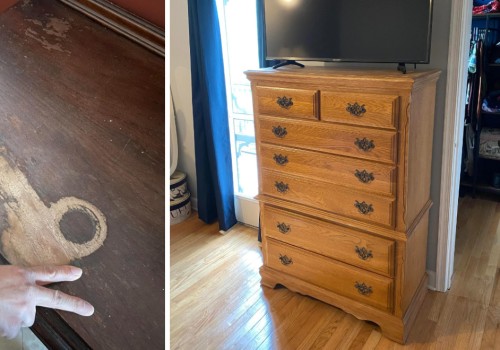
- Wood Fillers: For deeper scratches or dents, consider using wood fillers that match the color of your furniture.
Apply the filler, let it dry, and sand it smooth.
- Walnut Method: A quick fix for minor scratches is to rub a walnut over the area. The natural oils in the nut can help disguise imperfections.
3.Reupholstering
If your upholstered furniture is looking worn, reupholstering can be a fantastic DIY project. Choose a fabric that complements your decor, and follow these steps:- Remove the old fabric carefully.
- Inspect and repair any underlying damage to the frame or padding.
- Cut the new fabric to size and staple it securely in place.
4.Painting and Staining
A fresh coat of paint or stain can dramatically change the appearance of your furniture. For painted finishes, consider using chalk paint for a matte look or spray paint for a smooth finish.When staining, ensure you apply a wood conditioner first for even absorption.
5.Hardware Replacement
Sometimes, simply changing out old hardware can give your furniture a modern twist. Look for unique knobs or handles that reflect your style, making sure they fit well with the existing holes.By employing these home restoration techniques, you can not only save money but also enjoy the satisfaction of revitalizing your furniture with your own hands. Whether it's through cleaning, repairing, or reupholstering, each method allows you to personalize your space while preserving its character.Modern Technology in Furniture Restoration
The landscape of furniture restoration is rapidly evolving, thanks to the integration of modern technology. Traditional methods, while effective, often require significant time and labor.However, innovative tools and techniques are streamlining the process, making it more efficient and accessible.One of the most significant advancements in this field is the use of digital tools. For instance, 3D scanning technology allows restorers to create precise digital models of furniture pieces. This not only aids in understanding the original design but also facilitates the creation of replacement parts that match the original specifications perfectly.Additionally, computer-aided design (CAD) software has become a staple in furniture restoration. With CAD, artisans can visualize their projects in a virtual space, making it easier to plan repairs and modifications before any physical work begins.
This reduces material waste and enhances overall project efficiency.Another innovative technique gaining traction is the use of laser technology. Laser cleaning systems can effectively remove old paint, varnish, and grime without damaging the underlying wood. This method is not only precise but also environmentally friendly, as it minimizes the need for harsh chemicals.Moreover, augmented reality (AR) applications are beginning to play a role in furniture restoration. These apps allow users to visualize how restored pieces will look in their intended environment before any work is done.
This can be particularly useful for clients who are unsure about color choices or finishes.In summary, modern technology is revolutionizing furniture restoration, offering innovative solutions that enhance precision, efficiency, and sustainability. As these tools continue to develop, they promise to make restoration more accessible to both professionals and DIY enthusiasts alike.
Professional Alternatives to Traditional Methods
When it comes to furniture restoration, many homeowners and enthusiasts are seeking alternatives to traditional methods that can be time-consuming and labor-intensive. Fortunately, there are several professional services that offer innovative approaches to restoring furniture while preserving its integrity and enhancing its aesthetic appeal.1.Eco-Friendly Restoration Services
- Many professional restorers now utilize eco-friendly materials and techniques that minimize environmental impact. These services often use natural oils, water-based finishes, and non-toxic adhesives, making them a safer choice for both the environment and your home.
- By opting for eco-friendly restoration, you not only contribute to sustainability but also ensure that your furniture is free from harmful chemicals.
2.Digital Restoration Techniques
- Some professionals are incorporating digital technology into their restoration processes.
This can include 3D scanning of furniture pieces to create precise replicas or using digital imaging to visualize potential restorations before any physical work begins.
- This method allows for a more accurate restoration process, ensuring that the final product closely resembles the original piece.
3.Upholstery and Refinishing Specialists
- Instead of traditional stripping and sanding, some professionals specialize in upholstery and refinishing techniques that can rejuvenate furniture without extensive labor. This includes reupholstering with modern fabrics or applying new finishes that enhance the wood's natural beauty.
- This approach not only saves time but also provides a fresh look while maintaining the character of the original piece.
4.Antique Restoration Experts
- For those with valuable antiques, seeking out antique restoration experts can be beneficial. These professionals understand the unique needs of older pieces and often employ specialized techniques that respect the historical significance of the furniture.
- This may include using traditional joinery methods or sourcing period-appropriate materials to ensure authenticity.
Conclusion: The Future of Furniture Restoration
As we look towards the future of furniture restoration, it is clear that the landscape is evolving.Traditional methods, while still valuable, are increasingly being complemented or replaced by innovative alternatives that prioritize sustainability, efficiency, and creativity.One of the most significant trends is the rise of eco-friendly restoration techniques. These methods utilize natural materials and non-toxic finishes, appealing to environmentally conscious consumers. For instance, using plant-based stains and biodegradable adhesives not only reduces harmful emissions but also enhances the aesthetic appeal of restored pieces.Additionally, technology is playing a pivotal role in transforming furniture restoration. The use of 3D printing allows artisans to recreate missing parts with precision, while augmented reality (AR) tools enable customers to visualize potential restorations before committing to them.
This integration of technology not only streamlines the restoration process but also opens up new avenues for customization.Moreover, the growing popularity of upcycling has led to a shift in how we perceive furniture restoration. Instead of merely restoring items to their original state, many are now embracing the idea of transforming old furniture into unique, functional art pieces. This creative approach not only extends the life of furniture but also adds a personal touch that resonates with modern consumers.In conclusion, the future of furniture restoration lies in a harmonious blend of tradition and innovation. As we embrace these alternatives, we not only preserve our cherished pieces but also contribute to a more sustainable and creative world.
The journey ahead promises exciting possibilities for both artisans and enthusiasts alike.