When it comes to furniture restoration, understanding the types of damage caused by pests is essential for effective treatment and recovery. Various insects, such as termites, woodworms, and beetles, can wreak havoc on wooden furniture, leading to structural weaknesses and unsightly blemishes. Each type of pest has its own unique method of destruction, making it crucial for homeowners to identify the culprit before embarking on a restoration project.
Termites
, often referred to as the "silent destroyers," can consume wood from the inside out, leaving behind hollowed-out structures that may not be immediately visible. Their presence can lead to significant damage over time, often requiring extensive repairs or even complete replacement of affected pieces.On the other hand, woodworms, which are actually larvae of various beetles, create small holes in wood as they feed, resulting in a pockmarked surface that can diminish the aesthetic appeal of your furniture. Additionally, beetles such as the powderpost beetle can cause similar damage, leaving behind fine dust as evidence of their activity. Understanding these different types of pests and their specific impacts on furniture is vital for anyone considering furniture restoration. By recognizing the signs of infestation early on, homeowners can take proactive measures to mitigate damage and restore their beloved pieces to their former glory.
Assessing the Extent of Damage
When it comes to furniture restoration, the first step is to thoroughly assess the extent of damage caused by pests or insects. Identifying the signs of infestation early can significantly influence the restoration process and the overall outcome.Inspection Methods
- Visual Inspection: Begin with a careful visual examination of the furniture.
Look for any visible signs of damage such as holes, frass (wood dust), or webbing. Pay close attention to joints and corners where pests often hide.
- Touch and Feel: Run your hands over the surface of the furniture. Soft spots or areas that feel spongy may indicate internal damage from pests like termites.
- Sound Test: Gently tap on the wood. A hollow sound can suggest that the wood has been compromised by insect activity.
Signs of Pest Damage
- Holes and Tunnels: Small holes in the wood are a clear indicator of pest activity, particularly from wood-boring insects.
- Frass: The presence of fine wood dust or frass around the furniture is a telltale sign of an infestation.
- Webbing: Spider webs or silk threads can indicate a pest problem, especially if they are found in conjunction with other signs.
- Visible Insects: Spotting live insects or their larvae is a direct indication that immediate action is required.
This assessment will guide you in deciding whether professional help is needed or if you can tackle the restoration yourself.
Methods for Restoring Pest-Damaged Furniture
Restoring furniture that has been damaged by pests requires a careful approach to ensure that the integrity of the piece is maintained while effectively eliminating any signs of infestation. Here are some methods for restoring pest-damaged furniture that cater to both professional restorers and DIY enthusiasts.Professional Restoration Techniques
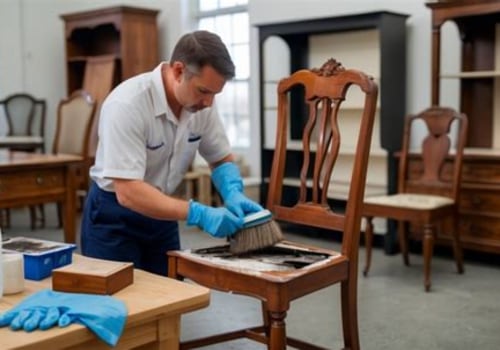
- Inspection and Assessment: A thorough inspection is crucial to determine the extent of the damage. Professionals often use specialized tools to identify hidden infestations.
- Heat Treatment: This method involves raising the temperature of the furniture to a level that is lethal to pests. It is effective for eradicating insects without using chemicals.
- Chemical Treatments: In cases of severe infestation, professionals may apply insecticides specifically designed for wood.
These treatments can penetrate deep into the material, ensuring complete eradication.
- Structural Repairs: After pest removal, any structural damage must be addressed. This may involve replacing broken parts or reinforcing weakened areas with new materials.
DIY Restoration Approaches
- Freezing Method: For smaller items, placing the furniture in a freezer for several days can kill pests effectively. This method is chemical-free and safe for most materials.
- Vinegar and Water Solution: A mixture of vinegar and water can be used to clean surfaces and deter pests. It’s an eco-friendly option that also helps in removing any residual odors.
- Sanding and Refinishing: If the surface has been damaged, sanding down the affected areas can remove signs of pest activity.
Following this, refinishing with appropriate stains or sealants can restore its appearance.
- Regular Maintenance: To prevent future infestations, regular cleaning and maintenance are essential. Keeping furniture in a dry environment and using natural repellents can help protect against pests.
Preventing Future Pest Infestations
Once you have successfully restored your furniture, it’s crucial to implement strategies to prevent future pest infestations. Here are some effective tips to help you protect your investment:- Regular Inspections: Conduct routine checks of your furniture, especially in hidden areas like joints and under cushions.
Look for signs of pests such as droppings, frass, or unusual holes.
- Maintain Cleanliness: Keep your furniture clean and free from food particles or debris that can attract pests. Regularly vacuum upholstered pieces and dust wooden surfaces.
- Control Humidity: Many pests thrive in humid environments. Use dehumidifiers in damp areas and ensure proper ventilation to keep humidity levels low.
- Seal Cracks and Gaps: Inspect your home for cracks in walls, windows, and doors. Sealing these gaps can prevent pests from entering your living space.
- Use Natural Repellents: Consider using natural pest repellents like essential oils (e.g., peppermint or lavender) that can deter insects without harmful chemicals.
- Store Properly: If you need to store furniture, use airtight containers or bags to protect them from pests.
Ensure the storage area is clean and dry.
Frequently Asked Questions about Furniture Restoration and Pests
When it comes to furniture restoration, many homeowners have questions about the impact of pests and insects on their beloved pieces. Here are some frequently asked questions that can help clarify common concerns:- Can all types of pest damage be repaired?
While many types of pest damage can be repaired, the extent of the damage will determine the feasibility of restoration.For instance, minor infestations may only require surface treatment, while severe damage could necessitate replacing parts of the furniture.
- What are the signs of pest damage in furniture?
Look for small holes, frass (wood dust), or visible insects. Additionally, if your furniture feels weak or unstable, it may indicate underlying pest issues. - Is it safe to restore furniture that has been infested?
Yes, but it’s crucial to ensure that all pests are eradicated before beginning the restoration process. This may involve professional pest control services to prevent further damage. - How can I prevent future pest infestations?
Regularly inspect your furniture for signs of pests, maintain a clean environment, and consider using protective treatments or sealants that deter insects.
Conclusion: The Path to Restoring Your Furniture
In conclusion, furniture restoration after pest damage is not only possible but can also be a rewarding endeavor.Understanding the extent of the damage caused by pests such as termites, woodworms, or beetles is crucial in determining the best course of action. By identifying the type of pest and the level of infestation, you can make informed decisions about whether to repair, replace, or treat your furniture.Effective restoration involves several key steps:
- Assessment: Carefully inspect your furniture to identify all areas affected by pests. Look for signs such as holes, frass (wood dust), and weakened structures.
- Treatment: Depending on the severity of the damage, you may need to treat the furniture with insecticides or natural remedies to eliminate any remaining pests.
- Repair: For minor damage, sanding down affected areas and applying wood filler can restore the integrity of your furniture. In cases of severe damage, professional restoration services may be necessary.
- Prevention: After restoration, take proactive measures to prevent future infestations.
This includes regular inspections, maintaining a dry environment, and using protective coatings.