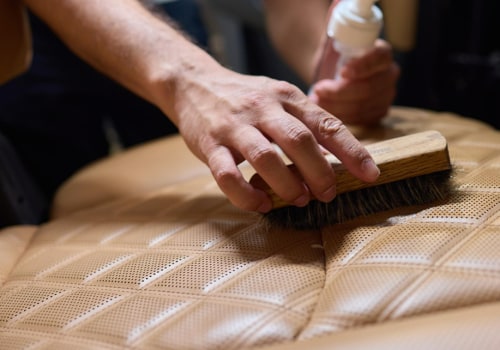
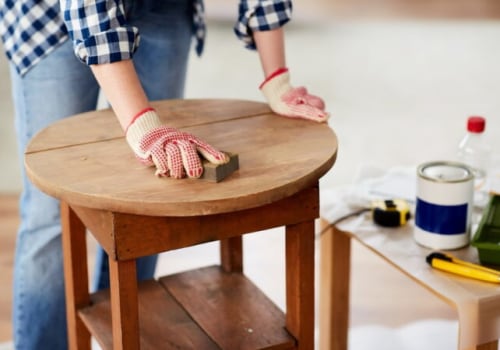
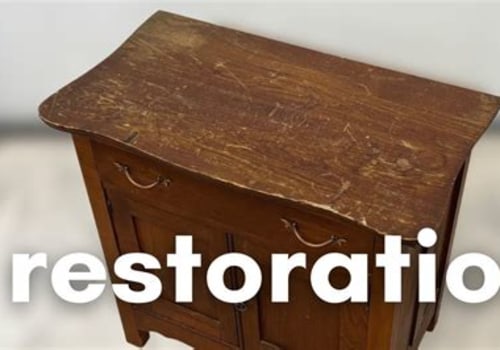
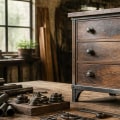
Furniture restoration is a captivating process that breathes new life into tired, worn-out pieces, transforming them into stunning focal points of any room. This practice goes beyond mere repair; it involves a deep understanding of the materials and techniques used in crafting furniture, allowing for a return to its original beauty. Whether you have a cherished heirloom or a thrift store find, furniture restoration can unlock the hidden potential of your items, making them not only functional but also aesthetically pleasing. At its core, furniture restoration encompasses various methods aimed at preserving and enhancing the integrity of wooden pieces. This can include stripping away layers of paint or stain to reveal the natural wood beneath, repairing structural damage, and applying finishes that protect and beautify.
The benefits of restoring furniture are manifold; not only does it save money compared to purchasing new items, but it also promotes sustainability by reducing waste and encouraging the reuse of materials. Moreover, engaging in furniture restoration allows individuals to connect with their furniture on a personal level. Each piece tells a story, and through restoration, you become part of that narrative. The satisfaction derived from reviving a piece of furniture is unparalleled, as it combines creativity with craftsmanship. As we delve deeper into the specifics of restoring painted or stained furniture back to its original wood finish, understanding the foundational principles of furniture restoration will be essential for achieving successful results.
Assessing Your Furniture's Condition
Before embarking on the journey of furniture restoration, it is essential to conduct a thorough assessment of your furniture's condition.This evaluation will help you determine whether restoring the original wood finish is feasible and what steps you need to take.
1.Examine the Surface
- Check for Scratches and Dents: Look closely for any surface imperfections. Minor scratches can often be sanded out, while deeper dents may require more extensive work.
- Assess the Finish: Determine if the current finish is paint, stain, or a clear coat. Understanding this will guide your restoration approach.
- Look for Peeling or Chipping: If the finish is peeling or chipping, it may indicate that the underlying wood is compromised and needs special attention.
2.Inspect for Structural Damage
- Check Joints and Stability: Gently shake or wiggle the furniture to see if it feels sturdy. Loose joints may need to be repaired before any refinishing can occur.
- Look for Signs of Insect Infestation: Small holes or sawdust around joints can indicate damage from pests like termites.
This issue must be addressed before proceeding with restoration.
3.Assess Moisture Damage
- Check for Warping or Swelling: If the wood appears warped or swollen, it may have been exposed to moisture. This can complicate restoration efforts and may require drying out the wood first.
- Smell for Mold or Mildew: A musty odor can indicate moisture issues that need to be resolved before any refinishing work.
Tools and Materials Needed for Restoration
Restoring painted or stained furniture back to its original wood finish requires a variety of tools and materials. Having the right equipment on hand can make the process smoother and more efficient.Below is a comprehensive list of essential items you will need for your furniture restoration project.
Essential Tools
- Screwdriver Set: A set of screwdrivers will help you disassemble any hardware or components that may obstruct your restoration efforts.
- Paint Stripper: A quality paint stripper is crucial for removing layers of paint or stain without damaging the wood underneath.
- Sanding Block or Orbital Sander: Sanding is vital for smoothing the surface and preparing it for refinishing. An orbital sander can save time and effort.
- Putty Knife: This tool is useful for applying and removing paint stripper, as well as filling in any imperfections with wood filler.
- Brushes and Rags: Use brushes for applying finishes and rags for wiping off excess materials during the restoration process.
Materials Needed
- Wood Finish: Choose a high-quality wood finish that matches the original look you want to achieve, such as oil, varnish, or polyurethane.
- Wood Filler: This is essential for repairing any cracks or holes in the wood before applying the finish.
- Stain (if necessary): If the original color has faded, you may need to apply a stain to restore its vibrancy.
- Sealer: A good sealer will protect your restored furniture from moisture and wear over time.
Common Challenges and Solutions in Furniture Restoration
Restoring furniture can be a rewarding endeavor, but it often comes with its own set of challenges. Understanding these common problems can help you navigate the restoration process more effectively.Common Challenges in Furniture Restoration
- Paint and Stain Removal: One of the most significant hurdles is removing old paint or stain without damaging the underlying wood.
Many products can strip finishes, but they may also harm the wood if not used correctly.
- Surface Damage: Scratches, dents, and water rings are common issues that can mar the beauty of your furniture. Repairing these imperfections requires skill and the right materials.
- Color Matching: Achieving the original wood finish color can be tricky, especially if the wood has aged or changed over time. This often requires testing various stains to find the perfect match.
Solutions for Furniture Restoration Issues
- Use Proper Stripping Techniques: When removing paint or stain, opt for a chemical stripper that is safe for wood. Always follow the manufacturer's instructions and test on a small area first.
- Repairing Surface Damage: For scratches and dents, consider using wood filler or a wax stick that matches your furniture's color.
Sanding lightly around the area before applying these products can yield better results.
- Color Testing: Before committing to a stain, apply several test patches on an inconspicuous area of the furniture. This will help you see how the wood reacts and ensure you achieve your desired finish.
FAQs About Restoring Painted or Stained Furniture
Restoring painted or stained furniture can be a rewarding project, but many people have questions about the process. Here are some frequently asked questions regarding furniture restoration.Can all painted furniture be restored?
While many pieces of painted furniture can be restored to their original wood finish, the success of the restoration largely depends on several factors:- Type of Paint: Some paints, especially oil-based ones, can be more challenging to remove than water-based paints.
- Condition of the Wood: If the wood underneath is damaged or rotting, restoration may not be feasible.
- Previous Treatments: If the furniture has been treated with sealants or other finishes, this may complicate the restoration process.
How long does furniture restoration take?
The time required for furniture restoration varies based on several factors:- Extent of Restoration: Simple projects like removing paint and sanding may take a few hours, while extensive restorations involving repairs and refinishing can take several days or even weeks.
- Drying Time: If you’re applying new finishes or stains, allow adequate drying time between coats, which can add to the overall duration.
- Your Skill Level: Experienced restorers may work faster than beginners who are still learning techniques.
Conclusion: The Value of Restoring Your Furniture
In conclusion, furniture restoration is not just a practical solution for reviving your beloved pieces; it is also a rewarding endeavor that can breathe new life into your home. Throughout this article, we have explored the various methods available for restoring painted or stained furniture back to its original wood finish, emphasizing the importance of careful planning and execution.Restoring furniture allows you to:- Preserve history: Many pieces carry sentimental value or historical significance.
By restoring them, you maintain their legacy.
- Enhance aesthetics: A beautifully restored piece can become a stunning focal point in your home, showcasing craftsmanship and style.
- Save money: Instead of purchasing new furniture, restoration can be a cost-effective way to achieve the look you desire while keeping quality materials.
- Reduce waste: In an age where sustainability is crucial, restoring furniture contributes to reducing landfill waste and promotes eco-friendly practices.