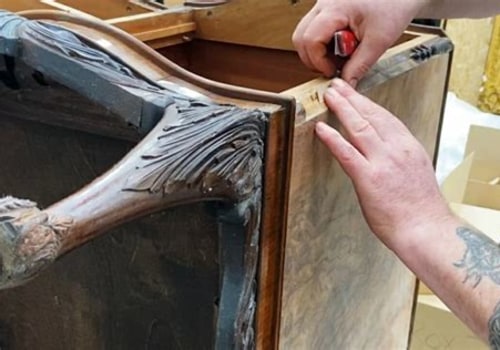
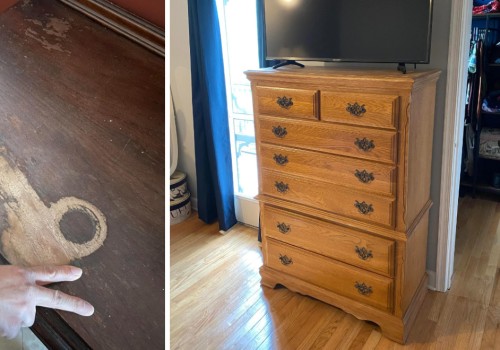
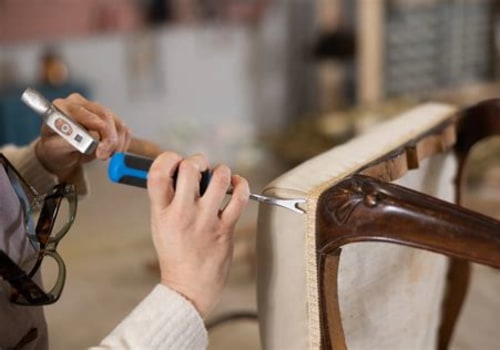
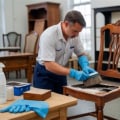
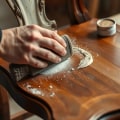
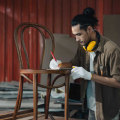
Furniture restoration is an art that breathes new life into worn or damaged pieces, transforming them into stunning focal points of any room. Whether it’s a cherished family heirloom or a thrift store find, restoring furniture not only preserves its history but also enhances its aesthetic appeal. The process can be incredibly rewarding, offering a sense of accomplishment as you witness the transformation unfold before your eyes. Engaging in furniture restoration allows individuals to express their creativity while also being environmentally conscious. By choosing to restore rather than replace, you contribute to sustainability efforts and reduce waste.
Moreover, the satisfaction derived from reviving a piece of furniture is unparalleled; it’s not just about the end result but also the journey of learning and skill development along the way. To embark on this fulfilling journey, having the right tools is essential. The tools for furniture restoration can vary depending on the type of project, but they generally include items for stripping old finishes, sanding surfaces, and applying new coatings. Understanding which tools are necessary will not only streamline your efforts but also enhance the quality of your work. In the following sections, we will delve deeper into the specific tools required for successful furniture restoration and how each contributes to achieving professional results.
Basic Hand Tools for Furniture Restoration
When embarking on furniture restoration, having the right hand tools is essential for achieving quality results.These tools not only facilitate the restoration process but also ensure that you can handle various tasks with precision and ease. Below are some of the most essential hand tools you should consider adding to your toolkit.
- Screwdrivers: A set of screwdrivers, including both flathead and Phillips, is crucial for removing and securing hardware. Look for a variety of sizes to accommodate different screws.
- Hammers: A good quality hammer is indispensable for driving nails and assembling pieces. Consider a claw hammer for general use and a rubber mallet for more delicate tasks to avoid damaging surfaces.
- Chisels: Wood chisels are vital for shaping and carving wood.
A set with various widths will allow you to tackle different projects, from detailed work to larger cuts.
- Measuring Tools: Accurate measurements are key in furniture restoration. A tape measure and a square will help ensure that your pieces fit together perfectly.
- Saws: While power saws are common, having a hand saw can be beneficial for making precise cuts in smaller projects or when working in tight spaces.
- Pliers: Needle-nose pliers are useful for gripping small items, while slip-joint pliers can help with larger hardware. Both types are handy for various tasks during restoration.
- Sandpaper and Block: Sanding is often necessary to prepare surfaces for finishing. A selection of sandpaper grits, along with a sanding block, will help you achieve a smooth finish.
As you gain experience, you may find the need to invest in more specialized tools, but starting with these essentials will set you on the right path to successfully restoring your furniture.
Power Tools That Make Restoration Easier
When it comes to furniture restoration, having the right tools can make all the difference in achieving a professional finish. Power tools, in particular, can significantly speed up the restoration process and enhance the quality of your work. Here are some essential power tools that every furniture restorer should consider:- Sanders: A good sander is crucial for smoothing surfaces and removing old finishes.
Orbital sanders
are particularly effective for large areas, while detail sanders can reach tight corners and intricate designs. - Drills: A power drill is indispensable for drilling holes, driving screws, and even mixing paint or stain.
Look for a model with adjustable speed settings to handle various materials.
- Saws: Whether you need to cut new pieces or trim existing ones, a power saw can save you time and effort. A jigsaw is versatile for curved cuts, while a circular saw is ideal for straight cuts on larger boards.
- Heat Guns: These are excellent for removing old paint or varnish without damaging the wood underneath. They can also be used to bend wood or soften adhesives.
- Router: A router can add decorative edges to your furniture or hollow out areas for inlays. This tool allows for precision and creativity in your restoration projects.
They not only save time but also reduce physical strain, allowing you to focus on the finer details of your project. Additionally, power tools often provide a more consistent finish compared to manual methods, ensuring that your restored furniture looks polished and professional.Investing in quality power tools can elevate your restoration skills and open up new possibilities for creativity. Whether you're a seasoned pro or just starting out, these tools will help you achieve stunning results with less effort.
Finishing Tools: Achieving a Professional Look
When it comes to furniture restoration, achieving a professional finish is often determined by the quality of your finishing tools. Whether you are painting or staining, the right tools can make all the difference in the final appearance of your piece.Essential Finishing Tools
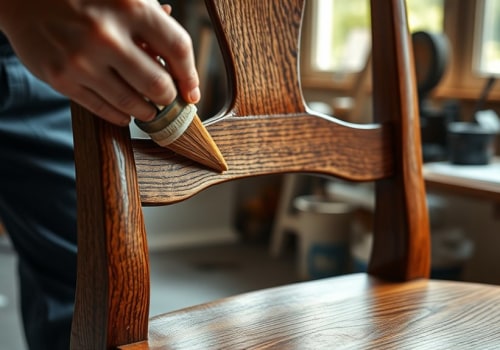
- Brushes: A variety of brushes is essential for different types of finishes.
For detailed work, use synthetic brushes for water-based paints and natural bristle brushes for oil-based finishes. A good quality brush will help you achieve a smooth, even application.
- Rollers: For larger surfaces, rollers can save time and provide a consistent finish. Choose a roller with a nap that suits your surface texture; a shorter nap is ideal for smooth surfaces, while a longer nap works well on textured finishes.
- Sprayers: If you’re looking for an ultra-smooth finish, consider using a paint sprayer. They are particularly useful for intricate designs and can cover large areas quickly.
Make sure to practice on scrap wood to get the hang of the technique.
Preparing Your Tools
Before you start applying your finish, it’s crucial to prepare your tools properly. Clean brushes and rollers thoroughly after each use to maintain their effectiveness. For sprayers, follow the manufacturer’s instructions for cleaning to prevent clogs and ensure longevity.Tips for Achieving a Professional Finish
- Test Your Finish: Always test your paint or stain on a small, inconspicuous area first. This will help you see how the color looks on your furniture and allow you to adjust if necessary.
- Apply Thin Coats: Multiple thin coats are better than one thick coat.
This approach reduces drips and allows for better adhesion between layers.
- Sanding Between Coats: Lightly sand between coats with fine-grit sandpaper to create a smooth surface and improve adhesion.
Safety Equipment: Protecting Yourself During Restoration
When embarking on a furniture restoration project, prioritizing your safety is essential. The materials and tools involved can pose various risks, making it crucial to equip yourself with the right safety equipment. Here are some key items to consider:- Safety Goggles: Protect your eyes from dust, debris, and harmful chemicals. Whether you’re sanding, painting, or applying finishes, goggles are a must.
- Respirator Masks: Many restoration processes involve working with paints, stains, and solvents that can release harmful fumes.
A good-quality respirator mask will help filter out these toxins, ensuring you breathe safely.
- Gloves: Depending on the materials you’re handling, wearing gloves can protect your hands from splinters, chemicals, and irritants. Choose gloves that are appropriate for the task at hand—latex for light work and heavy-duty gloves for more rigorous tasks.
- Ear Protection: If your restoration involves power tools like sanders or saws, consider using earplugs or earmuffs to protect your hearing from prolonged exposure to loud noises.
- Apron or Work Clothes: Wearing an apron or old clothes can protect your skin from splashes and stains while also keeping your regular clothes safe from damage.
- Work in a well-ventilated area: Ensure that your workspace has adequate airflow to disperse fumes and dust.
- Read product labels: Always check the safety instructions on any chemicals or materials you use to understand their hazards.
- Keep a first aid kit handy: Accidents can happen; having a first aid kit nearby ensures you’re prepared for minor injuries.
Maintenance Tools: Keeping Your Restored Furniture in Shape
Maintaining your restored furniture is essential to ensure its longevity and beauty. With the right maintenance tools, you can keep your pieces looking fresh and vibrant for years to come.Here are some essential tools and products that every furniture restoration enthusiast should consider:
- Soft Cloths: Use microfiber or cotton cloths for dusting and cleaning surfaces without scratching the finish.
- Wood Polish: A high-quality wood polish can enhance the shine of your restored furniture while providing a protective layer against moisture and dirt.
- Furniture Wax: Applying wax periodically helps to seal the wood and adds a layer of protection. Look for natural waxes that are free from harmful chemicals.
- Brushes: A set of soft-bristled brushes can help you reach into crevices and detailed areas that need attention.
- Vacuum Cleaner with Brush Attachment: Regularly vacuuming your furniture helps remove dust and debris, preventing buildup that can damage finishes over time.
- Avoid Direct Sunlight: Position your furniture away from direct sunlight to prevent fading and warping.
- Control Humidity: Maintain a stable humidity level in your home to avoid wood expansion or contraction, which can lead to cracks.
- Regular Inspections: Periodically check for any signs of wear or damage, such as loose joints or scratches, and address them promptly.
Frequently Asked Questions About Furniture Restoration Tools
When it comes to furniture restoration, having the right tools can make all the difference in achieving a professional finish. Here are some frequently asked questions regarding the essential tools needed for successful restoration projects.What are the basic tools required for furniture restoration?
- Screwdrivers: A set of both flathead and Phillips screwdrivers is crucial for disassembling furniture.
- Sandpaper: Various grits of sandpaper (from coarse to fine) are necessary for smoothing surfaces and preparing them for finishing.
- Paintbrushes: Quality brushes are essential for applying stains, paints, or sealants evenly.
- Wood glue: A strong adhesive is vital for repairing joints and cracks in wooden furniture.
- Clamps: These help hold pieces together while the glue dries, ensuring a strong bond.
Are there any specialized tools I should consider?
- Orbital sander: This power tool can save time and effort when sanding larger surfaces.
- Heat gun: Useful for removing old paint or finishes without damaging the wood underneath.
- Chisels: A set of chisels can help with detailed work, such as carving or removing damaged wood.
How do I choose the right tools for my project?
Choosing the right tools depends on the specific furniture restoration project you are undertaking.Consider the type of furniture, the materials involved, and your level of experience. For beginners, starting with basic hand tools is advisable, while more advanced restorers may benefit from investing in specialized equipment.If you're unsure about which tools to purchase, many local hardware stores offer rental options. This allows you to try out different tools before committing to a purchase. Additionally, online forums and communities dedicated to furniture restoration can provide valuable recommendations based on personal experiences.Ultimately, having the right tools not only enhances your efficiency but also improves the quality of your finished product.
Investing in quality tools will pay off in the long run as you embark on your furniture restoration journey.
Conclusion: The Right Tools Lead to Successful Restoration Projects
In conclusion, embarking on a furniture restoration project can be a rewarding experience, but it is essential to have the right tools at your disposal. The success of your restoration efforts largely depends on the quality and appropriateness of the tools you choose to use.Throughout this article, we have highlighted several key tools that are indispensable for any furniture restoration enthusiast:- Sanding Tools: Essential for preparing surfaces and achieving a smooth finish.
- Paint and Stain Applicators: Brushes, rollers, and rags that help in applying finishes evenly.
- Repair Kits: These include wood fillers, adhesives, and clamps that are crucial for fixing structural issues.
- Safety Gear: Gloves, masks, and goggles to protect yourself during the restoration process.
- Measuring Tools: Accurate measurements ensure that any new parts fit perfectly with the existing structure.
As you gain experience and confidence in your abilities, you may find yourself expanding your toolkit further. Remember, every successful furniture restoration project begins with a solid foundation of knowledge and the right equipment. So gather your tools, plan your project carefully, and enjoy the transformative journey of restoring furniture to its former glory.