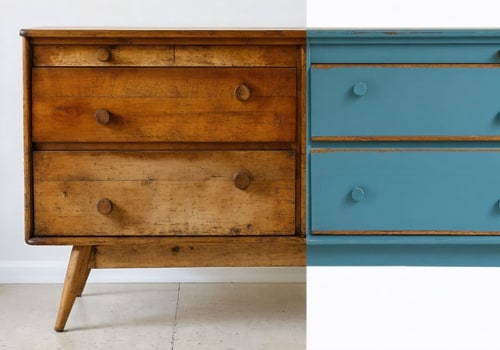
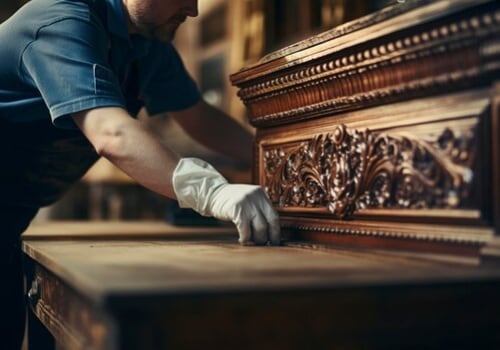
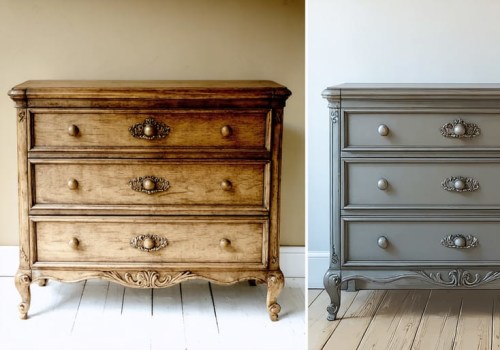
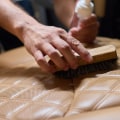
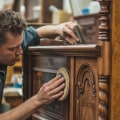
Furniture restoration is a transformative process that breathes new life into old or damaged pieces, allowing them to regain their former glory. This practice not only preserves the aesthetic and functional qualities of furniture but also plays a crucial role in promoting sustainability. As consumers become increasingly aware of the environmental impact of mass production and waste, the interest in eco-friendly furniture restoration methods has surged. By choosing to restore rather than replace, individuals can significantly reduce their carbon footprint and contribute to a more sustainable future. The benefits of furniture restoration extend beyond environmental considerations.
Restoring furniture can be a cost-effective solution, often requiring less investment than purchasing new items. Additionally, it allows for customization, enabling individuals to tailor pieces to their specific tastes and needs. This personal touch not only enhances the emotional value of the furniture but also fosters a deeper connection between the owner and their belongings. As we delve deeper into the world of furniture restoration, it becomes evident that eco-friendly methods are not just a trend but a necessary shift towards responsible consumption. From using natural finishes to repurposing materials, these practices highlight the importance of sustainability in our everyday lives.
Embracing eco-friendly furniture restoration is not only beneficial for the planet but also enriches our living spaces with unique stories and character.
The Importance of Eco-Friendly Furniture Restoration
In today's world, the significance of eco-friendly furniture restoration cannot be overstated. As we face increasing environmental challenges, adopting sustainable practices in furniture restoration becomes essential not only for the planet but also for our health and economy.Environmental Benefits
- Utilizing natural materials and non-toxic finishes reduces the release of harmful chemicals into the environment.
- Restoring old furniture minimizes waste, diverting items from landfills and reducing the demand for new resources.
- Eco-friendly methods often involve using renewable resources, which helps in conserving forests and other natural habitats.
Health Considerations
- Many conventional furniture restoration products contain volatile organic compounds (VOCs) that can harm indoor air quality. By choosing eco-friendly alternatives, you create a healthier living space.
- Natural finishes and adhesives are less likely to cause allergic reactions or respiratory issues, making them safer for families, especially those with children or pets.
Economic Advantages
- Investing in sustainable furniture restoration can lead to long-term savings. Restored furniture often lasts longer than new, mass-produced items.
- Supporting local artisans who practice eco-friendly methods can stimulate local economies and promote craftsmanship over mass production.
By prioritizing environmental health, personal well-being, and economic sustainability, we can make a significant impact through our choices in furniture restoration.
Materials for Eco-Friendly Furniture Restoration
When it comes to furniture restoration, choosing the right materials is crucial for achieving an eco-friendly outcome. Utilizing sustainable materials not only reduces environmental impact but also enhances the aesthetic appeal of your restored pieces.Reclaimed Wood
Reclaimed wood is one of the most popular choices for eco-friendly furniture restoration. Sourced from old buildings, barns, and other structures, this wood has a unique character and history. By repurposing it, you help reduce deforestation and waste while giving new life to beautiful materials.Look for local suppliers or salvage yards to find high-quality reclaimed wood.
Natural Fibers
In addition to wood, consider using natural fibers for upholstery and other elements of your furniture. Materials such as cotton, linen, hemp, and jute are biodegradable and often produced with less environmental impact than synthetic alternatives. These fibers not only provide comfort but also contribute to a healthier indoor environment.Non-Toxic Finishes
When restoring furniture, the choice of finish is equally important. Opt for non-toxic finishes, such as water-based paints and stains, which emit fewer volatile organic compounds (VOCs) compared to traditional oil-based products.Natural oils like linseed or tung oil can also be excellent choices, providing a protective layer while enhancing the wood's natural beauty.By selecting these eco-friendly materials for your furniture restoration projects, you not only create stunning pieces but also contribute positively to the environment. Embracing sustainability in your restoration efforts can lead to a healthier home and planet.
Techniques for Eco-Friendly Furniture Restoration
Restoring furniture in an eco-friendly manner not only helps preserve the environment but also extends the life of cherished pieces. Here are some effective techniques for eco-friendly furniture restoration that you can consider:- Natural Cleaning Solutions: Instead of harsh chemicals, use natural cleaners like vinegar, baking soda, and lemon juice. These ingredients effectively clean surfaces without harming the environment.
- Reclaimed Materials: When repairing or replacing parts of your furniture, opt for reclaimed wood or materials.
This practice reduces waste and minimizes the demand for new resources.
- Eco-Friendly Paints and Finishes: Choose low-VOC (volatile organic compounds) paints and finishes. These products are less harmful to both your health and the environment, providing a safer option for restoring furniture.
- Upholstery with Natural Fabrics: If your furniture requires new upholstery, consider using fabrics made from organic cotton, linen, or hemp. These materials are sustainable and biodegradable.
- DIY Techniques: Engage in DIY restoration projects to save money and reduce waste. Simple techniques like sanding, staining with natural oils, or re-gluing joints can rejuvenate old furniture without the need for professional help.
They often use eco-friendly practices and materials that align with your values.Incorporating these DIY furniture restoration tips not only enhances the aesthetic appeal of your home but also contributes to a more sustainable lifestyle. By choosing eco-friendly methods, you can enjoy beautifully restored furniture while making a positive impact on the planet.
Upcycling: A Creative Approach to Furniture Restoration
Upcycling is a transformative approach to furniture restoration that not only breathes new life into old pieces but also promotes sustainability. By creatively repurposing furniture, you can turn discarded items into unique treasures that reflect your personal style.Upcycling Furniture Ideas
- Old Dressers: Transform a vintage dresser into a chic bathroom vanity by adding a sink and new hardware.
- Wooden Pallets: Use pallets to create rustic coffee tables or garden benches, adding a touch of charm to your outdoor space.
- Suitcases: Stack vintage suitcases to form a quirky side table or nightstand, perfect for adding character to any room.
- Chairs: Reupholster mismatched chairs with vibrant fabrics to create an eclectic dining set that showcases your creativity.
Creative Furniture Restoration Projects
Engaging in upcycling projects allows you to express your creativity while practicing eco-friendly methods of furniture restoration. For instance, you can:
- Paint and Distress: Give an old wooden table a fresh coat of paint and distress it for a vintage look.
- Add New Legs: Replace the legs of an outdated coffee table with modern ones for a contemporary twist.
- Create Art: Use old furniture pieces as canvases for artistic expression, turning them into functional art.
Benefits of Upcycling
The benefits of upcycling extend beyond aesthetics.
By choosing this method of furniture restoration, you contribute to reducing waste and minimizing your carbon footprint. Additionally, upcycled furniture often carries a story, making it more meaningful than mass-produced items. This approach not only fosters creativity but also encourages sustainable living practices, making it a win-win for both you and the environment.
Common Mistakes to Avoid in Eco-Friendly Furniture Restoration
When embarking on eco-friendly furniture restoration, it’s essential to be aware of common mistakes that can undermine your efforts. Here are some pitfalls to avoid:- Neglecting Surface Preparation: One of the most critical steps in furniture restoration is proper surface preparation.
Skipping this step can lead to poor adhesion of paints or finishes, resulting in a less durable outcome. Always clean, sand, and repair surfaces before applying any products.
- Using Non-Eco-Friendly Products: While aiming for sustainability, some may inadvertently choose products that are not eco-friendly. Always check labels for harmful chemicals and opt for natural or low-VOC (volatile organic compounds) alternatives.
- Overlooking Structural Integrity: Focusing solely on aesthetics can lead to overlooking the structural integrity of the furniture. Ensure that joints are secure and that the piece is stable before proceeding with cosmetic changes.
- Ignoring Local Resources: Many people overlook local resources for materials and tools.
Utilizing local suppliers not only reduces your carbon footprint but also supports your community. Look for reclaimed wood or eco-friendly finishes available nearby.
- Rushing the Process: Restoration is an art that requires patience. Rushing through the steps can lead to mistakes that compromise the quality of your work. Take your time to ensure each phase is completed thoroughly.
Remember, thoughtful planning and execution are key to achieving beautiful and sustainable results.
Frequently Asked Questions about Eco-Friendly Furniture Restoration
When it comes to eco-friendly furniture restoration, many people have questions about the best practices and methods to use. Here are some frequently asked questions that can help guide you through the process.What are the benefits of eco-friendly furniture restoration?
Eco-friendly furniture restoration not only helps in reducing waste but also promotes sustainability. By using natural materials and non-toxic products, you can create a healthier living environment. Additionally, restoring old furniture can save money compared to buying new pieces.What materials should I use for eco-friendly restoration?
- Natural Paints and Stains: Look for water-based or plant-based paints and stains that are free from harmful chemicals.
- Non-Toxic Adhesives: Use adhesives that are labeled as non-toxic or eco-friendly to ensure safety during the restoration process.
- Sustainable Wood: If you need to replace any parts, consider using reclaimed or sustainably sourced wood.
Can I restore furniture without prior experience?
Absolutely! Many beginners successfully restore furniture by following online tutorials and guides.Start with simple projects, such as refinishing a small table or chair, to build your confidence. Remember to take your time and enjoy the process.
How do I ensure my restoration methods are eco-friendly?
To ensure your methods are eco-friendly, always check product labels for certifications like Green Seal or EcoLogo. Additionally, consider using tools that minimize waste, such as reusable sanding blocks and cloths instead of disposable options.If you have more specific questions about furniture restoration, don’t hesitate to reach out to local workshops or online communities dedicated to sustainable practices. They can provide valuable insights and support as you embark on your restoration journey.Conclusion: Embracing Sustainable Practices in Furniture Restoration
In conclusion, furniture restoration is not just a means to breathe new life into old pieces; it is also an opportunity to embrace sustainable practices that benefit both the environment and our communities.Throughout this article, we have explored various eco-friendly methods that can be employed in the restoration process, highlighting the importance of making conscious choices.By opting for natural materials, such as non-toxic paints and organic finishes, you can significantly reduce the harmful chemicals that often accompany traditional restoration methods. Additionally, utilizing reclaimed wood and vintage hardware not only minimizes waste but also adds unique character to your restored furniture.Moreover, the practice of upcycling allows you to transform discarded items into functional art, promoting a circular economy that values sustainability over disposability. This approach not only conserves resources but also encourages creativity and innovation in design.As you embark on your own furniture restoration projects, consider implementing these eco-friendly techniques:
- Research sustainable materials: Look for suppliers who prioritize eco-friendly options.
- Use biodegradable products: Choose finishes and adhesives that are safe for both you and the environment.
- Repair instead of replace: Focus on fixing what you have rather than discarding it.
- Educate yourself: Stay informed about sustainable practices and innovations in furniture restoration.