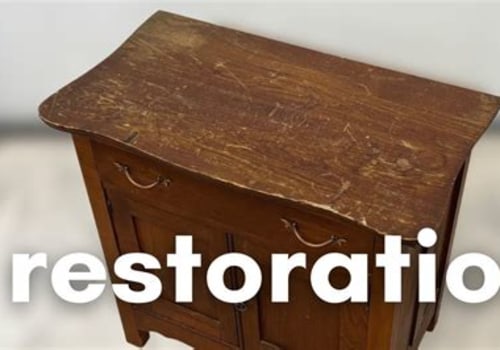
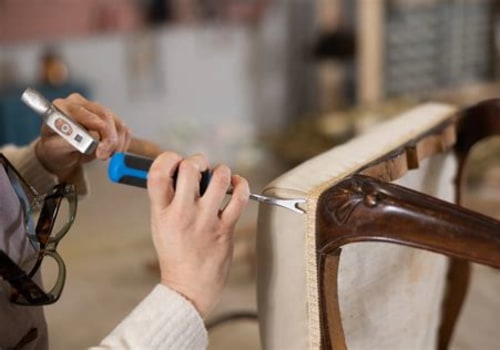
Furniture restoration is a meticulous process that breathes new life into worn or damaged pieces, transforming them into functional and aesthetically pleasing items. This practice goes beyond mere repair; it involves a deep understanding of the materials, techniques, and historical significance of each piece. Whether it’s an antique chair with a rich history or a modern table showing signs of wear, the goal of furniture restoration is to preserve the original character while enhancing its usability.The furniture restoration process typically begins with a thorough assessment of the item’s condition. This includes identifying any structural issues, surface damage, or aesthetic concerns.
Once the evaluation is complete, restorers may employ various techniques such as refinishing, reupholstering, or even reconstructing parts to restore the piece to its former glory. Each step requires skill and knowledge, making it essential to understand what is involved before deciding whether to tackle the project yourself or seek professional help.One of the significant benefits of furniture restoration is sustainability. By restoring rather than discarding furniture, you contribute to reducing waste and promoting eco-friendly practices. Additionally, restored furniture often carries a unique charm that mass-produced items lack, allowing you to own a piece that tells a story.
Furthermore, successful restoration can increase the value of your furniture, making it not just a personal investment but also a financial one.
The DIY Approach to Furniture Restoration
Taking a DIY approach to furniture restoration can be a rewarding experience, allowing individuals to breathe new life into old pieces while saving money. One of the primary benefits of DIY furniture restoration is the significant cost savings compared to hiring professionals. By investing your time and effort, you can avoid labor costs and often find that the materials needed for restoration are relatively inexpensive.Another advantage is the personal satisfaction that comes from completing a project on your own. Restoring furniture not only enhances your skills but also provides a sense of accomplishment as you transform a worn-out item into something beautiful and functional.Each piece you restore carries a story, making it even more special.
Essential Tools and Materials
To successfully tackle a furniture restoration project, having the right tools and materials is crucial. Here’s a list of essential items you might need:- Screwdrivers: A set of both flathead and Phillips screwdrivers for disassembling furniture.
- Sanding tools: Sandpaper or an electric sander to smooth surfaces before refinishing.
- Wood glue: For repairing joints and cracks in wooden furniture.
- Paint or stain: To refresh the color and finish of your piece.
- Brushes and rags: For applying paint, stain, or varnish evenly.
- Protective gear: Safety goggles and masks to protect yourself from dust and fumes.
Common DIY Furniture Restoration Projects
When it comes to furniture restoration, many homeowners find themselves drawn to the idea of tackling projects on their own. Not only can DIY restoration save money, but it also allows for a personal touch that can make a piece truly unique.Here are some common DIY furniture restoration projects that you can consider:
- Painting: One of the easiest ways to breathe new life into old furniture is by applying a fresh coat of paint. Whether you choose a bold color or a soft pastel, painting can transform a tired piece into a stunning focal point. Make sure to use primer and high-quality paint for the best results.
- Reupholstering: If your chairs or sofas have seen better days, reupholstering can be a rewarding project. This involves removing the old fabric and replacing it with new material.
Choose fabrics that complement your decor and consider adding padding for extra comfort.
- Staining: For wooden furniture, staining can enhance the natural beauty of the wood grain. This technique involves applying a wood stain to change the color while still showcasing the texture. It’s perfect for pieces that are structurally sound but lack visual appeal.
- Upcycling: Upcycling is all about taking old furniture and giving it a new purpose. For example, an old dresser can be transformed into a stylish TV stand, or wooden pallets can be turned into rustic coffee tables.
The possibilities are endless, limited only by your creativity.
When to Consider Professional Furniture Restoration
While furniture restoration can be a rewarding DIY project, there are specific scenarios where enlisting the help of professionals is not just advisable but essential. Understanding when to seek expert assistance can save you time, money, and potential damage to your cherished pieces.Signs You Need a Pro
- Antique or Valuable Pieces: If you own antique furniture or items of significant value, professional restoration is often necessary.
Experts have the knowledge to preserve the integrity and value of these pieces.
- Complex Repairs: Furniture with intricate designs, structural issues, or extensive damage may require specialized skills that only professionals possess. This includes reupholstering complicated shapes or repairing broken joints.
- Specialized Techniques: Certain restoration techniques, such as French polishing or caning, require years of practice and expertise. Attempting these methods without proper training can lead to irreversible damage.
- Time Constraints: If you’re short on time or lack the necessary tools, hiring a professional can expedite the restoration process while ensuring high-quality results.
Benefits of Hiring Professionals
Engaging a professional for furniture restoration offers several advantages:- Expertise: Professionals bring years of experience and specialized knowledge, ensuring that your furniture is restored correctly and safely.
- Quality Assurance: With access to high-quality materials and tools, professionals can achieve a finish that is often unattainable through DIY methods.
- Preservation of Value: Proper restoration by an expert can enhance the value of your furniture, making it a worthwhile investment in the long run.
- Stress Reduction: By leaving the work to professionals, you can avoid the stress and potential pitfalls associated with DIY projects.
Cost Comparison: DIY vs.
Professional RestorationWhen considering furniture restoration, one of the most significant factors to evaluate is the cost associated with either a DIY approach or hiring professionals. Understanding these costs can help you make an informed decision that aligns with your budget and expectations.
DIY Restoration Costs
Taking on a DIY furniture restoration project can be appealing due to the potential for cost savings. However, it’s essential to account for various expenses:- Materials: Depending on the type of restoration, you may need wood stains, paints, varnishes, sandpaper, and brushes. These materials can range from $50 to $200.
- Tools: If you don’t already own the necessary tools, such as saws, drills, or upholstery equipment, you might spend an additional $100 to $300.
- Time Investment: While not a direct monetary cost, consider the value of your time.
A DIY project can take several hours or even days, which could be spent on other productive activities.
Professional Restoration Costs
On the other hand, hiring professionals for furniture restoration comes with its own set of costs:- Labor Fees: Professional restorers typically charge between $50 to $150 per hour, depending on their expertise and the complexity of the project.
- Materials Included: Most professionals include materials in their quotes, which can save you from unexpected expenses. However, this can also increase the overall cost to anywhere from $300 to over $1,000 for intricate pieces.
- Quality Assurance: While more expensive upfront, professional restoration often guarantees a higher quality finish and longevity of the piece.
FAQs About Furniture Restoration
When considering furniture restoration, many people have questions about the process, timelines, and feasibility.Here are some frequently asked questions that can help clarify these aspects.
How long does furniture restoration take?
The duration of furniture restoration can vary significantly based on several factors, including the type of furniture, the extent of damage, and the methods used. Generally, simple projects like refinishing a wooden chair may take a few days, while more complex restorations, such as reupholstering a vintage sofa or repairing intricate carvings, can take several weeks or even months. It's essential to consult with a professional or assess your own skills if you're considering a DIY approach to get a more accurate estimate.Can all furniture be restored?
While many pieces of furniture can be restored, not all are suitable for the process. Factors that influence whether a piece can be restored include:- Material: Solid wood and high-quality materials are generally easier to restore than particleboard or low-grade materials.
- Condition: If the furniture has severe structural damage or is infested with pests, restoration may not be feasible.
- Sentimental Value: Sometimes, even if a piece is beyond repair, its sentimental value may justify an attempt at restoration.
What are common methods used in furniture restoration?
Common methods of furniture restoration include:- Refinishing: Stripping old finishes and applying new ones to restore the original look.
- Reupholstering: Replacing old fabric and padding to give new life to upholstered pieces.
- Repairing: Fixing broken parts, such as legs or joints, to ensure stability and functionality.
Conclusion: Making the Right Choice for Your Furniture Restoration Needs
In conclusion, the decision between DIY furniture restoration and hiring professionals hinges on several key factors that reflect your personal circumstances and capabilities.Throughout this article, we have explored the various aspects of furniture restoration, including the skills required, the tools needed, and the potential costs involved.
Assessing Your Skills and Resources
- Skill Level: If you possess a good understanding of woodworking, painting, or upholstery, you may find that tackling a restoration project yourself can be both rewarding and cost-effective.
- Time Commitment: Consider how much time you can realistically dedicate to a project. Restoration can be time-consuming, and if you have a busy schedule, hiring a professional might be the better option.
- Tools and Materials: Evaluate whether you have access to the necessary tools and materials. If not, purchasing or renting them can add to your overall costs.
Understanding the Value of Professional Help
- Expertise: Professionals bring years of experience and specialized knowledge that can significantly enhance the quality of the restoration.
- Time Efficiency: Hiring experts can save you time, allowing you to enjoy your restored furniture sooner rather than later.
- Quality Assurance: Professionals often guarantee their work, providing peace of mind that your furniture will be restored to a high standard.