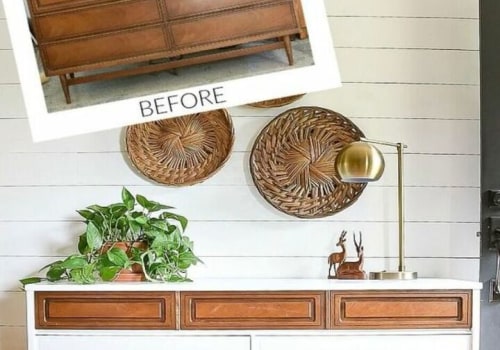
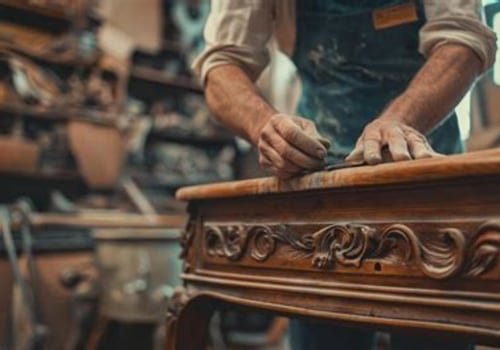
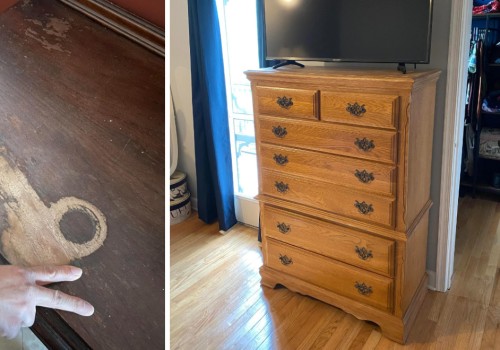
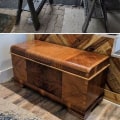
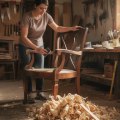
Furniture restoration is a vital process that breathes new life into worn or damaged pieces, particularly when it comes to leather and upholstered furniture. This practice not only enhances the aesthetic appeal of your home but also preserves the integrity and functionality of your cherished items. Understanding the nuances of furniture restoration is essential for anyone looking to maintain their investment and ensure longevity. At its core, furniture restoration involves a series of techniques aimed at repairing, refinishing, or rejuvenating furniture to its original condition or better. This can include everything from reupholstering a beloved chair to treating leather surfaces for cracks and fading.
The importance of this process cannot be overstated; it allows homeowners to retain the character and history of their furniture while adapting it to modern tastes and needs. Moreover, the significance of furniture restoration extends beyond mere aesthetics. It contributes to sustainability by reducing waste and minimizing the need for new materials. In a world increasingly focused on eco-friendly practices, restoring existing furniture is a responsible choice that benefits both the environment and your wallet. As we delve deeper into the specific considerations for restoring leather and upholstered furniture, it becomes clear that understanding these elements is crucial for achieving successful results.
Assessing the Condition of Your Furniture
Before embarking on furniture restoration, it is essential to thoroughly assess the condition of your leather or upholstered furniture.This evaluation will help you identify the necessary repairs and choose the most effective restoration methods.
Signs of Damage
- Cracks and Fading: For leather, look for cracks, discoloration, or fading that may indicate dryness or exposure to sunlight.
- Stains and Spots: Upholstered furniture may show signs of stains from spills or pet accidents. Pay attention to any discoloration that could require special cleaning methods.
- Pilling and Wear: Check for pilling on fabric upholstery, which can indicate wear and may need to be addressed before restoration.
- Loose Seams: Inspect seams for any fraying or separation, as these areas may require stitching or reinforcement.
Evaluating Leather and Upholstery
When assessing leather, consider its overall texture and flexibility. High-quality leather should feel supple and resilient. If it feels stiff or brittle, it may need conditioning or even replacement in severe cases.
For upholstered pieces, examine the fabric closely for any tears or thinning areas. A thorough inspection will help you determine whether a simple cleaning will suffice or if more extensive repairs are necessary.Additionally, check the structure of the furniture itself. Ensure that the frame is sturdy and that there are no loose joints or broken components. A solid foundation is crucial for successful restoration, as it supports the overall integrity of the piece.By carefully assessing these factors, you can make informed decisions about the restoration process, ensuring that your furniture not only looks great but also lasts for years to come.
Choosing the Right Restoration Techniques
When it comes to furniture restoration, selecting the right techniques is crucial, especially for leather and upholstered pieces.Each material has its own set of challenges and requires specific methods to ensure a successful restoration.
Leather Restoration Methods
For leather furniture, the first step is often a thorough cleaning. Use a gentle leather cleaner to remove dirt and oils without damaging the surface. After cleaning, assess the condition of the leather:- Minor Scratches: For small scratches, a leather conditioner can help restore moisture and reduce visibility.
- Cracks and Tears: Use a leather repair kit that includes patches and adhesive to fix larger damages. Follow the instructions carefully for the best results.
- Color Restoration: If the color has faded, consider using a leather dye that matches your furniture.
Test on a small area first to ensure compatibility.
Upholstery Repair Options
Upholstered furniture requires different approaches depending on the type of fabric and extent of damage:- Cleaning: Start with a vacuum to remove dust and debris. For stains, use a fabric cleaner suitable for your upholstery type.
- Patching: For small holes or tears, fabric patches can be sewn or glued in place. Choose a fabric that closely matches the original for a seamless look.
- Reupholstering: If the damage is extensive or if you want a complete makeover, reupholstering may be the best option. This involves removing the old fabric and replacing it with new material.
Always consider consulting with professionals if you're unsure about any step in the process.
Special Considerations for Leather Restoration
Restoring leather furniture requires a nuanced approach due to its unique properties and vulnerabilities. Unlike other materials, leather can be sensitive to environmental factors, making leather restoration a specialized task.Common Leather Issues
- Color Fading: Exposure to sunlight can cause leather to lose its vibrancy. Regularly rotating your furniture and using window treatments can help mitigate this issue.
- Cracking: Over time, leather can dry out and develop cracks. This is often due to a lack of moisture.
Keeping the leather conditioned with appropriate products is essential.
- Stains: Spills can lead to unsightly marks on leather. Immediate action is crucial; blot the stain gently with a soft cloth and avoid rubbing, which can worsen the damage.
Leather Restoration Tips
To effectively restore leather furniture, consider the following tips:- Choose the Right Products: Use leather-specific cleaners and conditioners. Look for products that are free from harsh chemicals, as these can further damage the material.
- Test Before Applying: Always test any product on a hidden area of the furniture first. This ensures that it won’t alter the color or texture adversely.
- Regular Maintenance: Implement a routine care schedule that includes cleaning and conditioning every 6-12 months.
This helps maintain the leather's suppleness and appearance.
Special Considerations for Upholstered Furniture Restoration
Restoring upholstered furniture requires a nuanced approach, as the variety of fabric types and their unique characteristics can significantly influence the restoration process. Understanding these differences is crucial for achieving optimal results.Fabric Types
- Cotton: This natural fiber is breathable and easy to clean but can be prone to staining. Regular maintenance and prompt cleaning are essential.
- Linen: Known for its durability and elegance, linen can wrinkle easily.
It requires gentle cleaning methods to maintain its appearance.
- Leather: While not a fabric, leather upholstery demands special care. It should be cleaned with specific leather cleaners and conditioned regularly to prevent cracking.
- Synthetic Fabrics: Materials like polyester and nylon are often more resistant to stains and fading, making them easier to maintain. However, they may require specific cleaning agents to avoid damage.
Upholstery Cleaning Methods
When it comes to cleaning upholstered furniture, the method chosen should align with the fabric type:
- Vacuuming: Regular vacuuming is essential for all fabric types to remove dust and debris.
- Spot Cleaning: For stains, use a mild detergent mixed with water. Always test on an inconspicuous area first.
- Steam Cleaning: This method can be effective for deep cleaning but should be used cautiously on delicate fabrics.
Repair Techniques
If your upholstered furniture has tears or worn areas, consider the following repair techniques:
- Patching: For small tears, fabric patches can be sewn or glued over the damaged area.
- Reupholstering: For extensive damage or a complete style change, reupholstering may be the best option.
This involves removing the old fabric and replacing it with new material.
DIY vs. Professional Restoration Services
When it comes to furniture restoration, one of the first decisions you’ll face is whether to tackle the project yourself or hire a professional. Each option has its own set of advantages and challenges, making it essential to evaluate your specific situation.DIY Furniture Restoration
Engaging in DIY furniture restoration can be a rewarding experience, especially for those who enjoy hands-on projects.Here are some scenarios where DIY might be the right choice:
- Budget Constraints: If you’re working with a limited budget, DIY restoration can save you money on labor costs.
- Simple Repairs: For minor issues like scratches, stains, or reupholstering small areas, DIY methods can be effective and straightforward.
- Personal Satisfaction: Completing a restoration project on your own can provide a sense of accomplishment and allow for personal expression in design choices.
Professional Restoration Services
On the other hand, there are instances where hiring a professional is advisable:- Complex Damage: If your furniture has significant damage, such as structural issues or extensive wear, a professional’s expertise may be necessary to ensure proper restoration.
- Lack of Time: If your schedule is packed, hiring a pro can save you time and effort while still achieving high-quality results.
- Specialized Techniques: Professionals often have access to advanced tools and materials that can enhance the restoration process beyond what is available for DIY enthusiasts.
Maintaining Restored Furniture for Longevity
Maintaining restored leather and upholstered furniture is essential for ensuring its longevity and preserving its aesthetic appeal. With the right care, you can keep your furniture looking as good as new for years to come. Here are some practical furniture maintenance tips to help you achieve this:- Regular Cleaning: Dust your furniture weekly using a soft, dry cloth to prevent dirt buildup.
For leather, use a damp cloth followed by a dry one to avoid moisture damage.
- Use Appropriate Cleaners: When cleaning upholstered furniture, opt for products specifically designed for the fabric type. Always test any cleaner on a hidden area first to ensure it doesn’t cause discoloration.
- Condition Leather: Leather requires special care. Use a high-quality leather conditioner every 6-12 months to keep it supple and prevent cracking.
- Avoid Direct Sunlight: Position your furniture away from direct sunlight to prevent fading and drying out of materials. Consider using window treatments to filter light.
- Protect from Spills: Immediately blot spills with a clean, dry cloth.
Avoid rubbing, as this can spread the stain. For stubborn stains, consult a professional cleaner.
- Rotate Cushions: If your furniture has removable cushions, rotate them regularly to ensure even wear and prolong their life.
Conclusion: Key Takeaways on Restoring Leather and Upholstered Furniture
In conclusion, restoring leather and upholstered furniture requires a thoughtful approach that encompasses several key considerations.Understanding the unique properties of the materials involved is essential for achieving successful furniture restoration.
Assessment is Crucial
Before embarking on any restoration project, a thorough assessment of the furniture's condition is vital. Look for signs of wear, damage, or discoloration. This initial evaluation will guide your choice of restoration techniques and products.Selecting the Right Techniques
Different types of leather and upholstery require specific care methods. For instance, while some leathers can be cleaned with mild soap and water, others may need specialized cleaners or conditioners.Similarly, upholstery fabrics like velvet or microfiber may have unique cleaning requirements. Always refer to manufacturer guidelines when available.
Maintenance Matters
Once restoration is complete, ongoing maintenance plays a significant role in preserving the beauty and longevity of your furniture. Regular cleaning and conditioning can prevent future damage and keep your pieces looking their best. Consider implementing a routine that includes:- Dusting: Regularly dust surfaces to prevent dirt buildup.
- Conditioning: Use appropriate conditioners for leather to maintain suppleness.
- Spot Cleaning: Address spills immediately to avoid stains.
Remember, successful furniture restoration is not just about aesthetics; it’s about preserving the integrity and functionality of your cherished pieces.