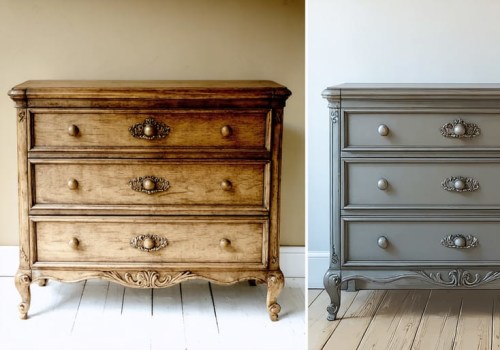
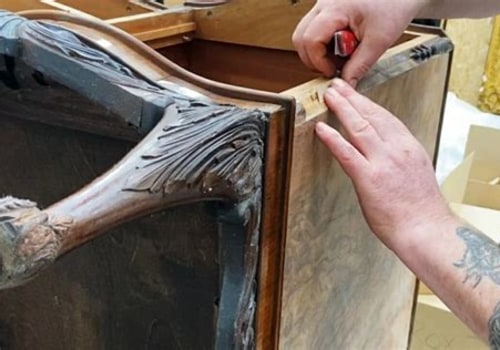
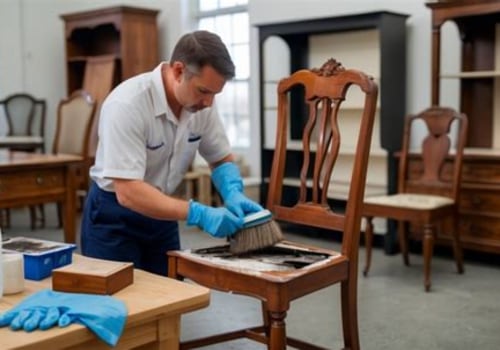
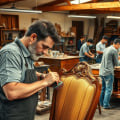
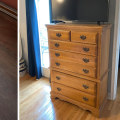
Furniture restoration is a meticulous process that breathes new life into worn or damaged pieces, transforming them into stunning focal points of any room. This practice not only enhances the aesthetic appeal of your furniture but also preserves its historical significance and craftsmanship. By understanding furniture restoration, you can appreciate the artistry involved and the value it adds to your home. The benefits of furniture restoration extend beyond mere appearance. Restored furniture often boasts improved durability and functionality, allowing you to enjoy your cherished items for years to come.
Additionally, opting for restoration over replacement is an environmentally friendly choice, reducing waste and promoting sustainability. This approach not only saves money but also fosters a deeper connection to your belongings, as each piece tells a unique story. As you embark on the journey of maintaining your restored furniture, it’s essential to recognize the importance of proper care and upkeep. Understanding the nuances of what furniture restoration entails will empower you to protect your investment and ensure that your pieces remain in pristine condition. In the following sections, we will explore practical tips and strategies for maintaining the beauty and integrity of your restored furniture, ensuring that it continues to be a source of pride in your home.
The Importance of Regular Maintenance
Maintaining restored furniture is crucial for preserving its beauty and functionality over time.Regular maintenance not only enhances the aesthetic appeal of your pieces but also extends their lifespan, ensuring that your investment remains valuable.
Why Maintain Restored Furniture?
The process of furniture restoration often involves meticulous work to bring a piece back to its former glory. However, without proper care, even the most beautifully restored items can deteriorate. Dust, moisture, and sunlight can all contribute to wear and tear. By implementing a regular maintenance routine, you can protect your furniture from these damaging elements.- Dusting: Regularly dust your furniture with a soft cloth to prevent dirt buildup that can scratch surfaces.
- Cleaning: Use appropriate cleaning solutions for the material of your furniture.
For wood, a gentle cleaner is ideal, while upholstery may require specific fabric cleaners.
- Conditioning: For wooden pieces, applying a quality wood conditioner every few months can help maintain the finish and prevent cracking.
- Avoiding Direct Sunlight: Position your furniture away from direct sunlight to prevent fading and warping.
It ensures that each piece continues to tell its story while remaining a functional part of your home. By prioritizing regular care, you can enjoy the beauty and utility of your restored treasures for many years to come.
Cleaning Techniques for Restored Furniture
Maintaining the beauty of your restored furniture requires careful attention to cleaning techniques that are appropriate for the materials involved. Here are some effective methods to keep your pieces looking their best:- Dust Regularly: Use a soft, lint-free cloth or a microfiber duster to remove dust from surfaces. This prevents buildup that can scratch the finish over time.
- Use Gentle Cleaners: For cleaning restored furniture, opt for pH-balanced cleaners specifically designed for wood or upholstery.
Avoid harsh chemicals that can strip finishes or damage fabrics.
- Spot Test First: Before applying any cleaner, always perform a spot test in an inconspicuous area to ensure it does not adversely affect the finish.
Cleaning Restored Wood Furniture
When it comes to cleaning restored wood furniture, follow these guidelines:- Use a Damp Cloth: Lightly dampen a cloth with water and wipe down the surface. Avoid soaking the wood, as excess moisture can lead to warping.
- Apply Wax or Polish: After cleaning, consider applying a high-quality furniture wax or polish to enhance shine and provide a protective layer. This should be done every few months.
- Avoid Direct Sunlight: Position your restored wood furniture away from direct sunlight to prevent fading and drying out of the finish.
Cleaning Upholstered Furniture
If your restored furniture includes upholstery, here are some tips:- Vacuum Regularly: Use an upholstery attachment on your vacuum cleaner to remove dust and debris without damaging the fabric.
- Use Fabric Cleaners: For stains, use a fabric cleaner suitable for the specific type of upholstery. Always follow the manufacturer's instructions.
- Avoid Excess Water: When cleaning upholstery, use minimal water to prevent mold and mildew growth.
Protecting Your Furniture from Damage
Maintaining the restored condition of your furniture requires proactive measures to protect it from various threats.Here are some effective strategies to ensure your pieces remain in excellent shape:
- Avoid Direct Sunlight: Prolonged exposure to sunlight can cause fading and damage to the finish of your furniture. Position your restored pieces away from windows or use UV-protective window films and curtains to minimize exposure.
- Control Humidity Levels: Excess moisture can lead to warping and mold growth. Keep your furniture in a climate-controlled environment, ideally between 30-50% humidity. Using a dehumidifier can help maintain these levels.
- Use Coasters and Placemats: To prevent scratches and heat damage, always use coasters under drinks and placemats under hot dishes.
This simple practice can significantly reduce wear on surfaces.
- Regular Cleaning: Dust your furniture regularly with a soft, lint-free cloth. For deeper cleaning, use a mild soap solution and avoid harsh chemicals that can strip finishes. Always follow up with a dry cloth to prevent moisture buildup.
- Apply Protective Finishes: Consider applying a fresh coat of wax or polish periodically to create a protective barrier against dirt and moisture. This not only enhances the appearance but also adds an extra layer of protection.
- Avoid Heavy Objects: Be mindful of how you place items on your furniture.
Avoid placing heavy objects that could cause dents or scratches. Use felt pads under decorative items to distribute weight evenly.
Restoration Products and Tools You Should Use
Maintaining the beauty and integrity of your restored furniture requires the right products and tools. Here’s a curated list of essential items that can help you keep your furniture in pristine condition.Best Products for Furniture Restoration
- Furniture Polish: A high-quality furniture polish can enhance the shine and protect the surface of your restored pieces.
Look for products that are silicone-free to avoid buildup.
- Wood Conditioner: If your furniture is made of wood, using a wood conditioner can help maintain moisture levels, preventing cracks and splits.
- Stain Remover: For minor blemishes, a gentle stain remover specifically designed for wood or upholstery can be invaluable. Always test on a small area first.
- Protective Wax: Applying a protective wax can create a barrier against moisture and dirt, ensuring longevity. Beeswax or carnauba wax are excellent choices.
Tools for Maintaining Furniture
- Soft Cloths: Use microfiber or cotton cloths for dusting and applying polishes. They are gentle on surfaces and prevent scratches.
- Brushes: A soft-bristled brush can help clean intricate details without damaging the finish.
- Screwdriver Set: Regularly check and tighten screws to ensure stability.
A good screwdriver set will help you make adjustments easily.
- Furniture Pads: To prevent scratches on floors and maintain stability, use felt pads under the legs of your furniture.
Common Mistakes to Avoid in Furniture Maintenance
Maintaining restored furniture can be a rewarding experience, but it’s essential to avoid common mistakes that can lead to damage or deterioration. Here are some pitfalls to watch out for:- Using Harsh Cleaners: One of the most frequent errors is using abrasive or chemical-laden cleaners. These can strip away protective finishes and damage the wood.
Instead, opt for gentle, pH-balanced cleaners specifically designed for furniture.
- Neglecting Regular Dusting: Dust accumulation can scratch surfaces and dull finishes over time. Regularly dust your furniture with a soft, lint-free cloth to keep it looking its best.
- Ignoring Humidity Levels: Wood is sensitive to changes in humidity. Failing to maintain a stable environment can lead to warping or cracking. Aim for a humidity level between 40-60% in your home.
- Overexposure to Sunlight: Direct sunlight can fade and damage the finish of your restored furniture.
Position your pieces away from windows or use UV-filtering window treatments to protect them.
- Skipping Routine Inspections: Regularly check your furniture for signs of wear, such as loose joints or scratches. Early detection allows for timely repairs, preventing more extensive damage.
When to Seek Professional Help
Maintaining the restored condition of your furniture is crucial, but there are times when professional furniture restoration services become necessary. Knowing when to hire a professional can save you time, money, and potential damage to your beloved pieces.Signs You Need Professional Help
- Severe Damage: If your furniture has deep scratches, significant dents, or structural issues, it’s best to consult a professional.
Attempting to fix these problems on your own can lead to further damage.
- Complex Finishes: When dealing with intricate finishes or materials like lacquer or veneer, a professional’s expertise is invaluable. They have the right tools and knowledge to restore these finishes without compromising the integrity of the piece.
- Upholstery Issues: If your furniture requires reupholstering due to wear and tear or outdated fabric, hiring a professional ensures that the job is done correctly and safely.
- Antique Restoration: For antique or heirloom pieces, it’s essential to seek expert help. Professionals understand the historical significance and can restore these items while preserving their value.
- Time Constraints: If you lack the time or resources to dedicate to a restoration project, hiring a professional can alleviate stress and ensure quality results.
FAQs About Maintaining Restored Furniture
Maintaining the beauty and integrity of your restored furniture requires a bit of knowledge and care.Here are some frequently asked questions that can help you keep your pieces in pristine condition.
What is the best way to clean restored furniture?
For most restored furniture, a soft, damp cloth is sufficient for cleaning. Avoid using harsh chemicals that can damage the finish. Instead, consider using a mixture of mild soap and water for deeper cleaning. Always test any cleaning solution on a small, inconspicuous area first.How often should I polish my restored furniture?
Polishing should be done every 3 to 6 months, depending on the type of finish.Use a high-quality furniture polish that is appropriate for the material of your furniture. This not only enhances the shine but also provides a protective layer against dust and moisture.
Can I place my restored furniture in direct sunlight?
It’s best to avoid placing restored furniture in direct sunlight, as UV rays can fade finishes and warp wood over time. If possible, position your furniture away from windows or use curtains to filter sunlight.What should I do if my restored furniture gets scratched?
If you notice scratches on your restored furniture, you can often fix them with a touch-up marker or a wax filler stick that matches the finish. For deeper scratches, consider consulting a professional restorer to avoid further damage.Are there specific humidity levels I should maintain?
Wooden furniture benefits from stable humidity levels, ideally between 40% and 60%.Using a humidifier in dry seasons can help prevent cracking and warping.By following these tips and addressing common concerns, you can ensure that your furniture restoration efforts remain intact for years to come.
Conclusion: Keeping Your Restored Furniture in Top Shape
In conclusion, maintaining the restored condition of your furniture is essential to preserving its beauty and functionality. By following the right care practices, you can ensure that your investment in furniture restoration pays off for years to come.First and foremost, regular cleaning is crucial. Dust and dirt can accumulate on surfaces, leading to scratches and dullness. Use a soft, lint-free cloth to gently wipe down your furniture, and consider using a mild soap solution for deeper cleaning when necessary.Avoid harsh chemicals that can damage finishes.Additionally, it’s important to protect your restored pieces from environmental factors.
Direct sunlight
can fade colors and weaken materials over time. Position your furniture away from windows or use curtains to filter sunlight. Similarly, maintain a stable humidity level in your home; excessive moisture can lead to warping or mold growth.- Use coasters and placemats: Always place coasters under drinks and placemats under hot dishes to prevent heat and moisture damage.
- Avoid heavy objects: Refrain from placing heavy items on your restored furniture, as this can cause dents or structural issues.
- Regular inspections: Periodically check for any signs of wear or damage.
Early detection allows for timely repairs, preventing further deterioration.